



A new film offers an intimate look into the life of photographer Peter Hujar, focusing on a single day in 1974 New York City. Through the lens of an unreleased transcript, audiences gain insight into Hujar's thoughts, struggles, and artistic process, revealing a man who would later achieve widespread recognition after his death.
Key Takeaways
- The film is based on a rediscovered transcript of Peter Hujar recounting a day in his life.
- Ben Whishaw portrays Peter Hujar, offering a deep dive into the artist's personality.
- The story takes place on December 19, 1974, as Hujar describes the previous day.
- Hujar was a struggling artist at the time, despite later posthumous fame.
- The film captures the essence of a bygone New York City artistic era.
Unearthing a Hidden Narrative
The film, titled Peter Hujar’s Day, brings to life a unique piece of cultural history. It centers on a conversation between Hujar and writer Linda Rosenkratz, where Hujar details his activities and reflections from December 18, 1974. This transcript, originally intended for a book that never saw publication, remained largely unknown until its rediscovery and release in 2021.
Director Ira Sachs uses this rediscovered dialogue as the foundation for his film. The narrative unfolds as Hujar, portrayed by actor Ben Whishaw, recounts his day to Rosenkratz, played by Rebecca Hall, in her Manhattan apartment. This setup provides a rare, almost voyeuristic glimpse into the mind of an artist.
Film Fact
The original transcript of Peter Hujar's day was recorded on December 19, 1974, by writer Linda Rosenkratz. It was rediscovered and published in 2021, paving the way for the film adaptation.
A Portrait of the Artist as a Young Man
In 1974, Peter Hujar, then 39, was not yet the celebrated figure he would become. He was an artist striving for recognition, often overshadowed by contemporaries like Andy Warhol and Robert Mapplethorpe. His journey included a Fulbright scholarship and commercial photography work, but his passion lay in pursuing personal projects.
The film highlights this period of his life, showing Hujar as a man dedicated to his craft, even amidst financial struggles. He had already photographed notable figures such as John Waters, Susan Sontag, and William S. Burroughs. However, widespread critical acclaim would only come after his death in 1987 from AIDS-related complications.
“Read it and weep if you didn’t know him. Or read it and weep if you did that we lost him.”
Ben Whishaw's Captivating Performance
Ben Whishaw’s portrayal of Hujar is central to the film’s appeal. Whishaw captures Hujar's distinct personality, including his New Jersey-bred, New York-inflected accent, with remarkable detail. His performance makes Hujar relatable, drawing the audience into the artist’s world as if they are part of the conversation.
Rebecca Hall, as Linda Rosenkratz, provides a subtle yet essential counterpoint. Her performance emphasizes the warmth and trust between the two friends, which allows Hujar to open up so candidly. The dynamic between Whishaw and Hall feels natural, even though many elements of their interactions, such as their movements within the apartment, are a fictionalized interpretation of the original transcript.
Historical Context
The mid-1970s in New York City was a vibrant but challenging time for artists. Affordable rent allowed a creative class to thrive, fostering a unique subculture. However, many artists, like Hujar, struggled for recognition during their lifetimes.
Capturing a Bygone New York
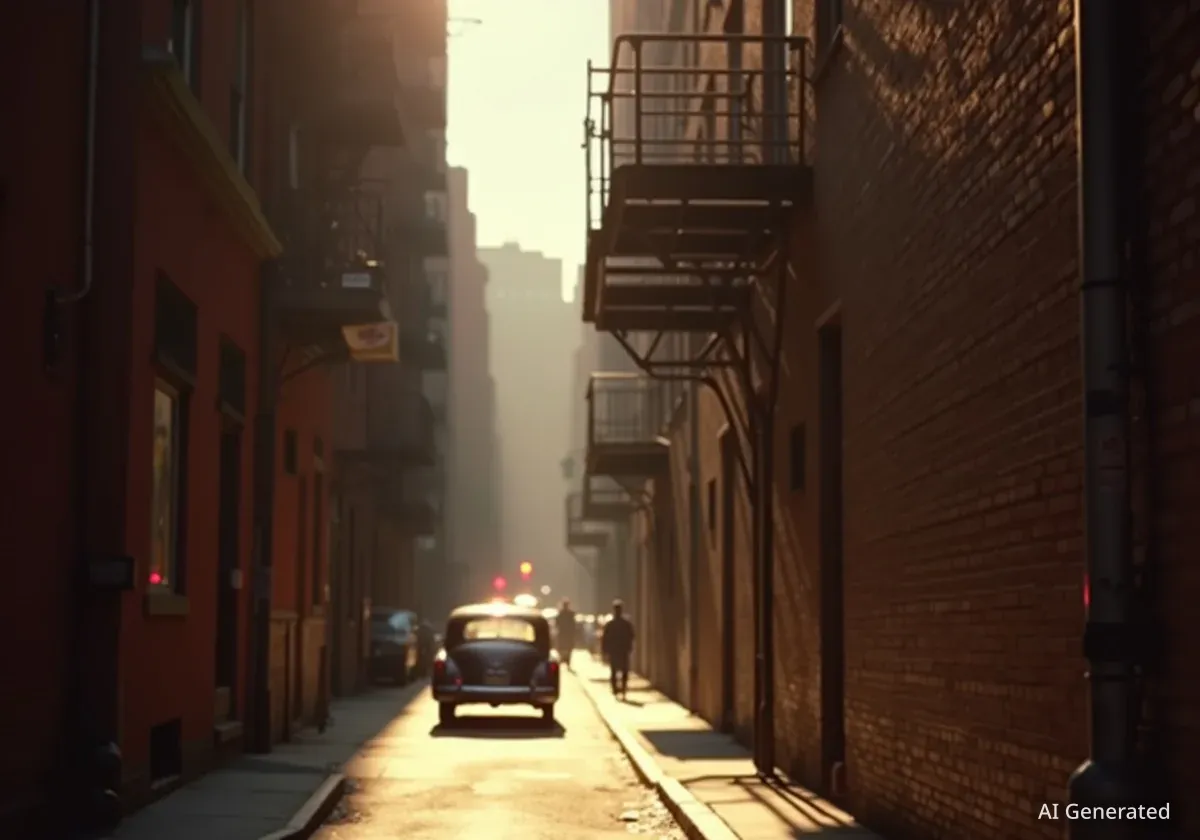
One of the film's most striking aspects is its ability to transport viewers back to 1974 New York. The production and costume design evoke the era, creating an authentic atmosphere. A particularly memorable scene takes place on a building’s rooftop, offering a panoramic view of the Manhattan skyline.
This scene, filmed on location, successfully conjures the image of a past New York. The city's unique hum, distant smokestacks, and classic architecture contribute to a powerful sense of nostalgia. It reminds audiences of a time when the city was a haven for struggling artists, a stark contrast to its current landscape.
- The film uses authentic period details.
- Location shooting helps recreate 1970s New York.
- The rooftop scene offers a memorable view of the past city.
Intimate Disclosures and Everyday Life
While the film features some significant moments, such as Hujar discussing his challenging assignment to photograph Allen Ginsberg for The New York Times, its true strength lies in the small, everyday details. Hujar’s personal revelations, shared with Rosenkratz, paint a picture of his life beyond his artistic endeavors.
These intimate disclosures include his surprising dietary habits, such as seemingly avoiding vegetables, and his comments about freelance work payments. He also reveals a preference for sleeping in and frequent naps. These seemingly minor details make Hujar feel more human and relatable, highlighting the universal aspects of daily life, even for a visionary artist.
The film suggests that having a trusted friend to confide in, someone who accepts all thoughts without judgment, is a crucial part of the human experience. Hujar's candidness with Rosenkratz underscores this idea. The unvarnished presentation of his individuality makes his story resonate with many viewers, reminding them that personal quirks and struggles are part of what makes each person interesting.
Hujar's Quirks
During his recount, Peter Hujar reveals he rarely ate vegetables, quips about owed freelance money, and expresses a love for sleeping in and frequent naps.
The Enduring Legacy of Peter Hujar
Peter Hujar’s singular artistic vision, though recognized posthumously, continues to impact the art world. The film Peter Hujar’s Day further solidifies his place in cultural history by providing a deeply personal and engaging portrait. It not only celebrates his art but also explores the man behind the camera, with all his complexities and everyday routines.
The film serves as a poignant reminder of artists who toil without widespread recognition during their lifetimes. It encourages audiences to reflect on their own lives, their passions, and the importance of demanding better for themselves. The movie’s lush cinematography, handled by Alex Ashe, further enhances the viewing experience, creating a beautiful visual tribute to Hujar and his era.