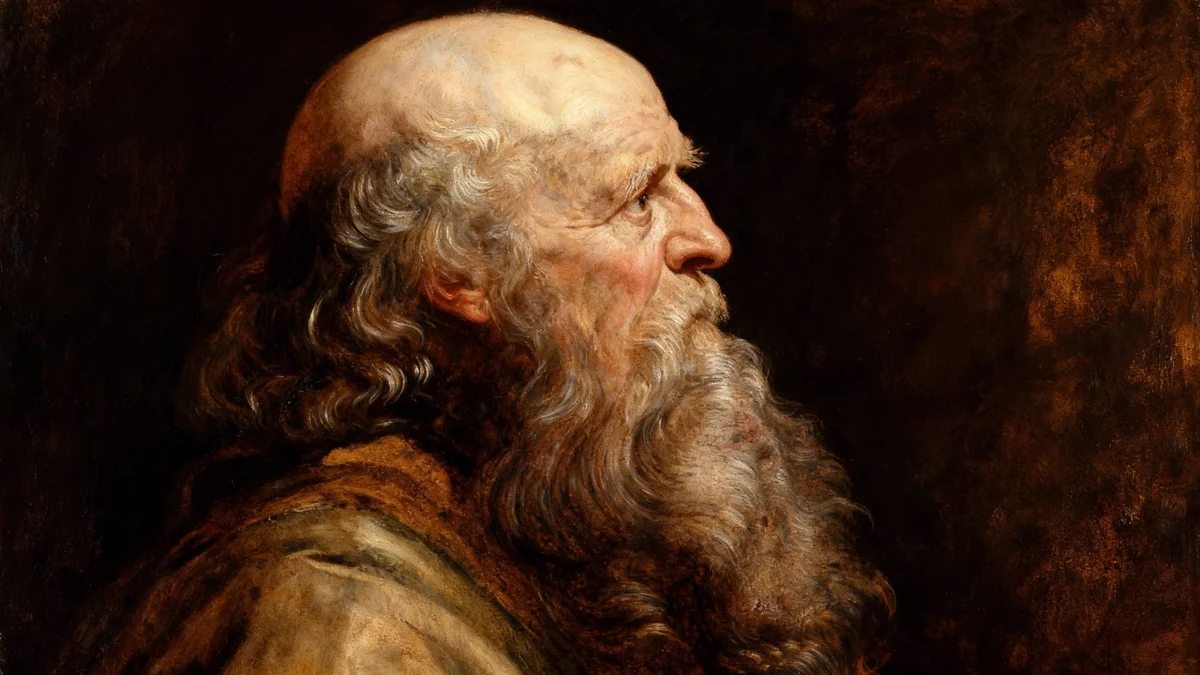

A painting purchased for less than €100,000 at an online auction, initially listed as an anonymous Flemish school study, has been confirmed as a genuine work by Peter Paul Rubens. The discovery, made by Belgian art dealer Klaas Muller, is particularly unique as the study of an old man conceals an earlier painting of a woman beneath its surface.
This remarkable find offers new insights into Rubens' working methods and his practice of reusing materials. Experts believe the newly identified piece could be the long-lost prototype of an old man's head that appears in several of the Flemish master's most famous canvases.
Key Takeaways
- An anonymous painting bought for under €100,000 is now identified as a Rubens study.
- The artwork features two paintings: an old man on top, with a woman's head underneath.
- The old man model is seen in several of Rubens' major works, including 'The Raising of the Cross'.
- Art historians suggest this could be the lost prototype study for Rubens' recurring model.
- The painting will be displayed at the Brafa art fair in Brussels starting January 25.
The Unexpected Auction Acquisition
Three years ago, Klaas Muller, a Brussels-based art dealer, made a speculative purchase. He acquired a painting from a 'lesser-known auction house in northern Europe' for a price under €100,000. The auctioneers had described the item simply as an undated study on paper by an anonymous master of the Flemish school.
Muller, a self-professed admirer of Rubens, recognized a distinct similarity to the master's style. "I wasn't sure it was a Rubens, I just knew it was very Rubens-esque, so it was still a gamble," he explained. His personal library, filled with books about the 1577-born artist and diplomat, fuels what he calls "a bit of an addiction" to the painter's work.
Rubens' Studies: Market Value
In recent years, studies by Peter Paul Rubens have commanded significant prices at auction, typically selling for between £500,000 and £1 million or more. This makes Muller's initial investment of less than €100,000 an extraordinary return, assuming the current valuation aligns with expert opinions.
Confirmation of Authenticity
Upon receiving the painting, Muller's initial hunch grew stronger. Despite being very dirty, the varnish had preserved the artwork. He noted its exceptionally high quality.
The true confirmation came after several months of study last year by art historian Ben van Beneden, the former director of the Rubens House. Van Beneden's expertise provided the crucial authentication.
"I think it's very likely," said van Beneden. "You have to be cautious because you are dealing with a painting that wasn't made for the market but as a working material. But the craftsmanship is outstanding – it has a very lifelike quality."
The Recurring Model
The bearded old man depicted in the study is a familiar face in Rubens' oeuvre. This model, often referred to as a 'stock figure' by art historians, appears in numerous prominent works by the Flemish master. Rubens was known to create a collection of different physiognomies that he could incorporate into his larger compositions.
For example, in 'The Raising of the Cross,' a significant altarpiece housed in Antwerp Cathedral, the old man is portrayed as Saint Amandus. He also features as the red-cloaked King Melchior in 'The Adoration of the Magi,' a masterpiece displayed at the Prado museum in Madrid. In 'The Tribute Money,' found at the Legion of Honour museum in San Francisco, the same model appears as a Pharisee observing Jesus.
Rubens' Working Method
Peter Paul Rubens, inspired by Italian painters, often created detailed head studies. These studies served as preparatory works, allowing him to perfect expressions and features before integrating them into complex, multi-figure compositions. This practice highlights his efficiency and artistic methodology.
The Hidden Painting: A Woman Beneath the Beard
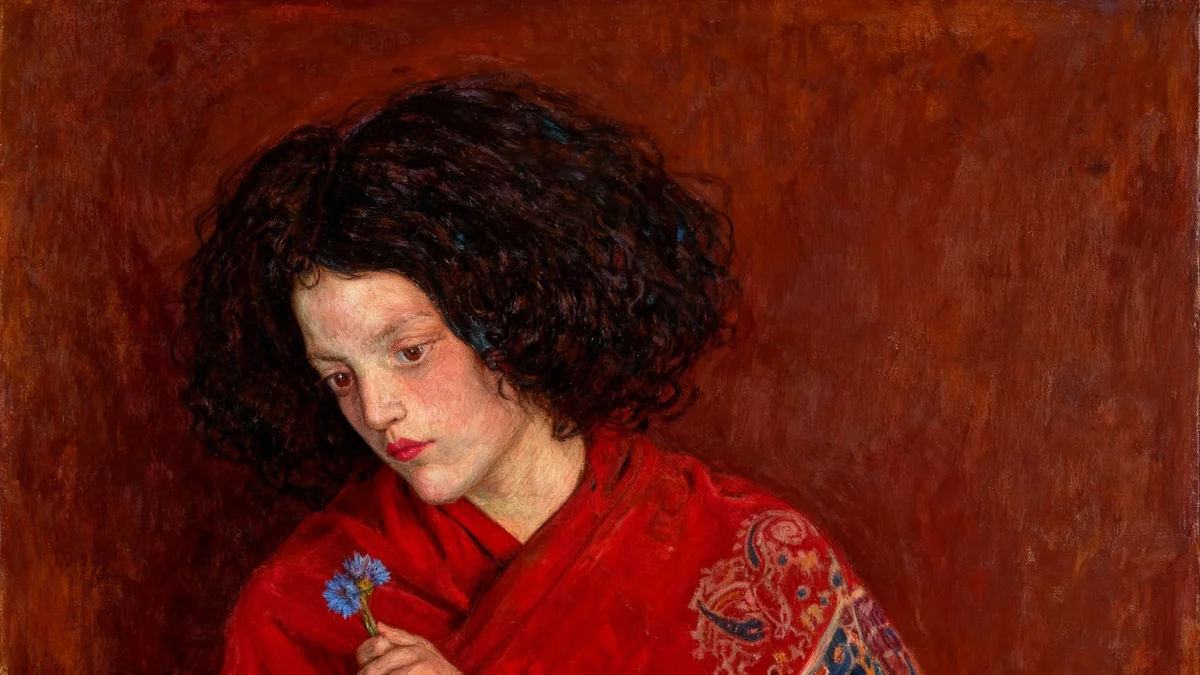
One of the most intriguing aspects of this discovery is the presence of a second painting. Beneath the depiction of the old man lies an earlier work: a woman's head with flowing locks and a crown of braids. This 'two-in-one' nature of the painting became apparent when the study was turned over, revealing the silhouette of the woman through the old man's beard.
Muller believes Rubens likely reused the paper from an earlier painting rather than intentionally creating an optical illusion. This practice of reusing materials was not uncommon among artists of the period, demonstrating an economical approach to their craft.
Possible Prototype Discovery
Rubens is known to have created a prototype study of the old man's head, which has been considered lost for centuries. Art historian Ben van Beneden suggests that Muller's find could indeed be this long-sought prototype. This possibility adds significant historical and artistic value to the discovery.
Public Display and Future
Currently, the painting resides in Klaas Muller's home. However, it will soon be accessible to a wider audience. The artwork is scheduled for public display at the Brafa art fair in Brussels, commencing on January 25.
Muller expressed his hope that a museum might take the painting on a long-term loan. He believes that even as a study, the work deserves to be seen by as many people as possible, further enriching the public's understanding of Rubens' genius and artistic process.
This discovery underscores the enduring thrill of art historical research and the potential for significant finds even in unexpected places like anonymous auction lots. It promises to be a highlight for art enthusiasts and scholars alike.