

The Whitney Museum of American Art in New York City is nearing the close of its acclaimed exhibition, "Sixties Surreal." This thought-provoking show, which re-examines American art from 1958 to 1972, will conclude its run on January 19.
The exhibition challenges traditional views of the 1960s, arguing that many artists of the era shared a common focus on the human body and the broader social landscape. This perspective suggests a new art-historical movement, dubbed 'Sixties Surreal.'
Key Takeaways
- "Sixties Surreal" at the Whitney Museum closes January 19.
- The exhibition redefines the 1960s art scene.
- It highlights a shared focus on the human body and body politic among artists.
- The show covers American studio art from 1958 to 1972.
Rethinking a Turbulent Decade
The 1960s were a period of significant social and cultural upheaval. The exhibition's title, "Sixties Surreal," reflects the inherent strangeness and profound changes that characterized the decade. From shifts in popular music to evolving social norms and political movements, the era was anything but ordinary.
Artists responded to these rapid transformations in diverse ways. The exhibition brings together both well-known and less-familiar artists, showcasing how their works collectively captured the surreal essence of their time. This approach offers a fresh lens through which to understand a complex period in American history.
Exhibition Details
- Location: Whitney Museum of American Art, New York City
- Dates: Extended run, closing January 19
- Focus: American studio art from 1958 to 1972
The Human Body and Body Politic
A central theme of "Sixties Surreal" is the artists' shared engagement with the human body. This interest extended beyond mere representation, often delving into profound psychological and social commentaries. Works displayed explore themes of vulnerability, transformation, and the physical impact of societal pressures.
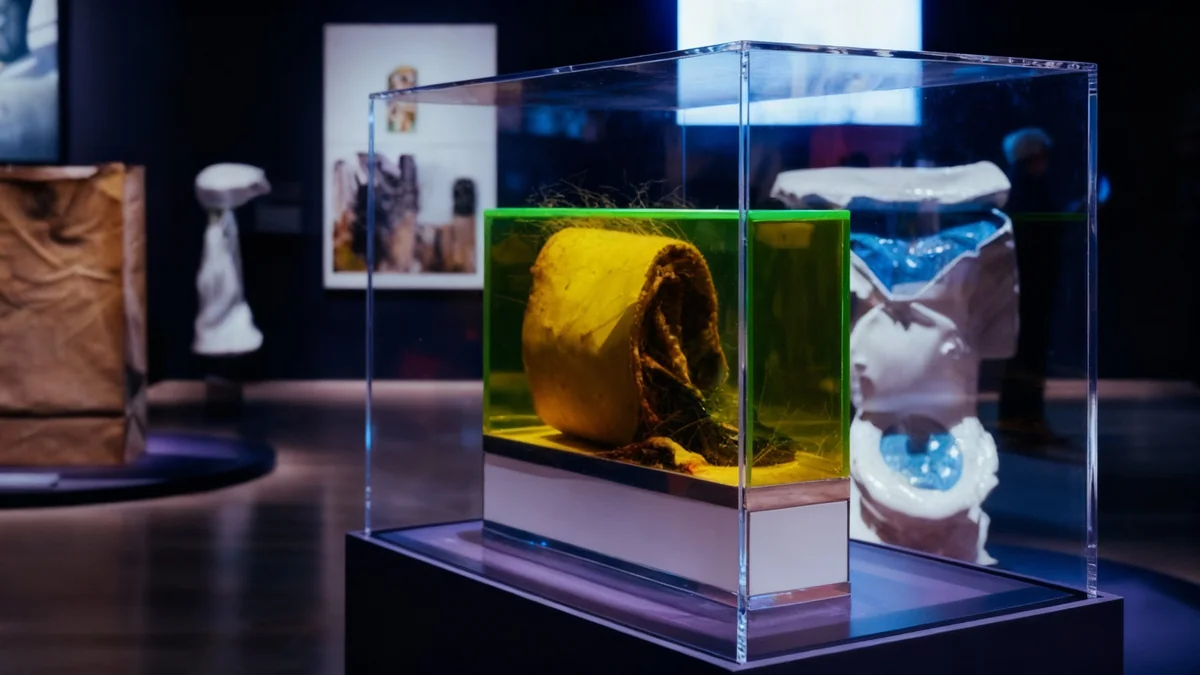
One notable example is Paul Thek's "Technological Reliquaries" series from 1966. This assemblage, encased in Plexiglas, features a realistic-looking limb that appears to ooze a marrow-like substance. It serves as a stark artistic response to the violence and carnage of the Vietnam War, reflecting the era's deep anxieties.
"The Sixties were a time when artists deeply interrogated the human condition, often through visceral and unsettling imagery."
Beyond individual bodies, the exhibition also addresses the concept of the body politic. This refers to the collective body of a community or nation, and how art reflected its health, ailments, and movements. Artists used their work to comment on civil rights, political dissent, and the broader social fabric of America.
A Revisionist Art History
The Whitney's exhibition attempts to rewrite a part of art history. Instead of categorizing artists into existing movements, it proposes a new framework: "Sixties Surreal." This highlights a shared artistic sensibility that transcended traditional boundaries during this specific period.
Curators have carefully selected pieces that demonstrate this common thread, encouraging visitors to draw their own conclusions. The show's expansive scope, covering more than a decade of art, provides ample material for fresh interpretations.
Historical Context
The period from 1958 to 1972 saw monumental shifts globally. In the United States, this included the Civil Rights Movement, the Vietnam War, and significant counter-cultural developments. Artists often responded directly to these events, using their work as a form of social commentary and psychological exploration.
Experiencing the Exhibition
Visitors to "Sixties Surreal" are encouraged to engage with the art on a personal level. The exhibition offers a guided journey through its extensive collection, yet leaves room for individual interpretation. This approach fosters a more active and immersive viewing experience.
The breadth of the show means that viewers encounter a wide array of artistic styles and mediums. This variety underscores the dynamic nature of American art during the 1960s. The exhibition aims to leave a lasting impression, sparking new thoughts about the decade and its artistic legacy.
For those interested in challenging their perceptions of a pivotal historical era, "Sixties Surreal" provides a unique opportunity. Its closing on January 19 marks the final chance to witness this significant re-evaluation of American art from 1958 to 1972.
Final Days for a Unique Perspective
As the exhibition approaches its conclusion, its impact remains clear. It has successfully provoked new discussions about the definition of surrealism in an American context and how artists responded to a decade of profound change.
The show's emphasis on the human body and the body politic offers a compelling narrative. It connects individual artistic expression to broader societal movements, providing a rich tapestry of the 1960s.
Art enthusiasts and those curious about the era's cultural landscape should consider visiting the Whitney Museum before the exhibition closes its doors. It is a rare chance to experience a truly revisionist look at a defining period in American art.