Taichung, Taiwan's second-largest city, has opened a groundbreaking new cultural institution, the Taichung Art Museum. This innovative complex, designed by the acclaimed Japanese firm Sanaa, merges an art museum and a municipal library into a single, fluid space, promising a unique visitor experience that encourages exploration and discovery.
The museum officially opens its doors to the public on December 13, marking a significant moment for Taiwan's burgeoning art scene. It aims to elevate Taichung's profile on the global stage, shifting some of the artistic focus away from the capital, Taipei.
Key Takeaways
- The Taichung Art Museum combines an art gallery and a public library.
- Designed by Pritzker prize-winning firm Sanaa, known for its fluid architecture.
- The complex encourages visitors to 'get lost' with its meandering pathways.
- It features an inaugural exhibition with international and Taiwanese artists.
- The museum seeks to decentralize Taiwan's art scene from Taipei.
A Fusion of Art and Literature
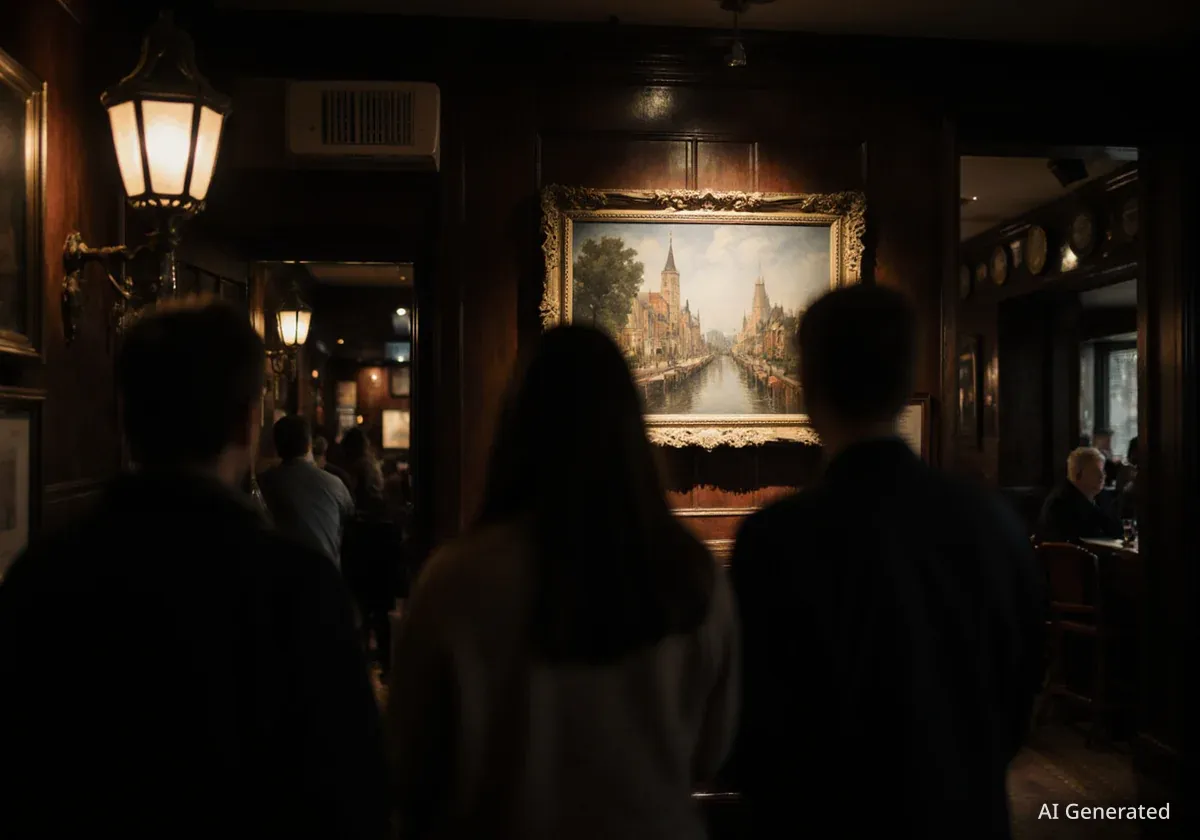
The new Taichung Art Museum is not just an exhibition space; it is a conceptual blend of an art museum and a public library. This design choice, a direct response to the Taichung city government's initial request for both facilities on the same site, has resulted in a building where the boundaries between the two functions are intentionally blurred.
Visitors can seamlessly transition from browsing bookshelves to viewing world-class art installations. This integration creates a dynamic environment, inviting longer stays and repeat visits. The idea is to foster a new kind of cultural engagement.
Architectural Vision
- Design Firm: Sanaa (Kazuyo Sejima and Ryue Nishizawa, Pritzker laureates 2010)
- Local Partner: Ricky Liu & Associates Architects+Planners
- Construction Period: Six years
- Unique Feature: Eight askew buildings encased in silver mesh-like walls
Designed for Discovery, Not Direction
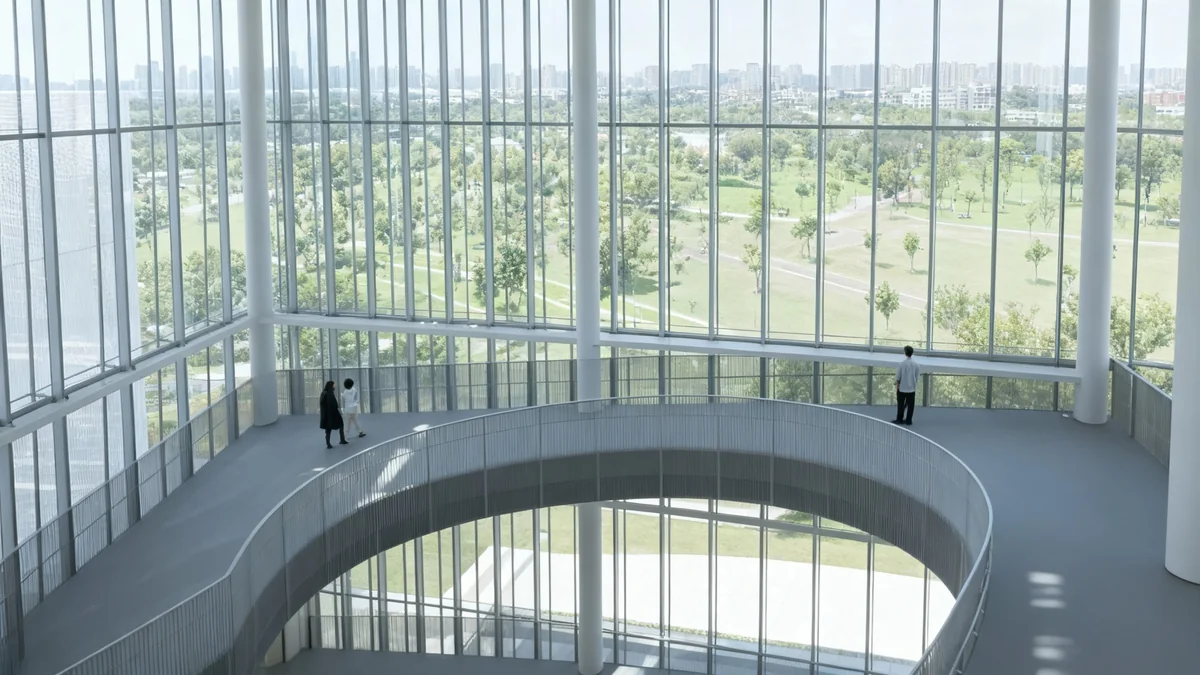
Upon entering the museum, visitors encounter a breezy, open lobby that blurs the line between indoor and outdoor space. From there, a network of paths and ramps guides them through the complex. Floor levels vary, complementing the specific purpose of each area rather than adhering to a rigid, consistent layout.
Lan Yu-hua, an associate researcher at the museum, highlighted this deliberate design choice. She stated,
"It is easy to get lost in. We say that getting lost is good."This philosophy encourages a sense of adventure and personal discovery within the museum's walls.
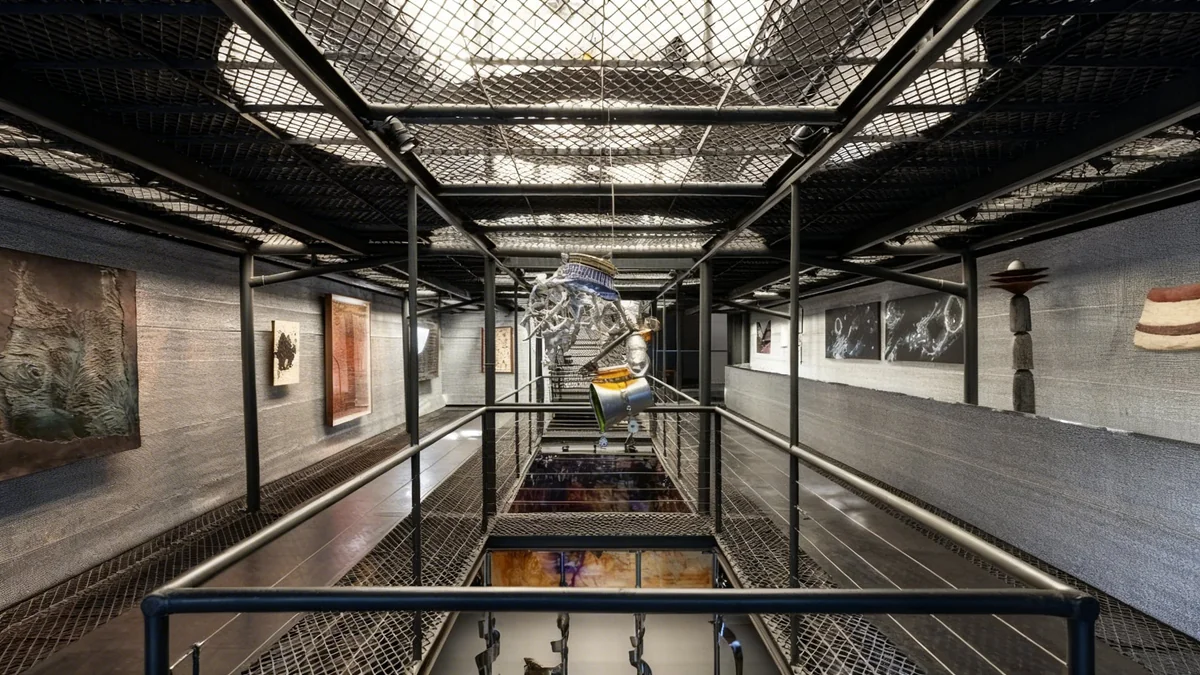
Skybridges offer panoramic views of Taichung’s Central Park, while floating staircases add to the architectural intrigue. One moment, a visitor might be in a cozy teenage reading room; the next, they could step into a grand exhibition hall. This constant shift in perspective is central to the museum's appeal.
Inaugural Exhibitions and Global Reach
The museum's inaugural program showcases a diverse range of artistic talent. It includes new commissions from renowned artists like South Korea's Haegue Yang and Taiwan's Michael Lin. Yang's work, an abstract interpretation of banyan trees and fireflies, hangs in the 27-meter-high central atrium. Its glowing lights are visible from a kilometer away at night.
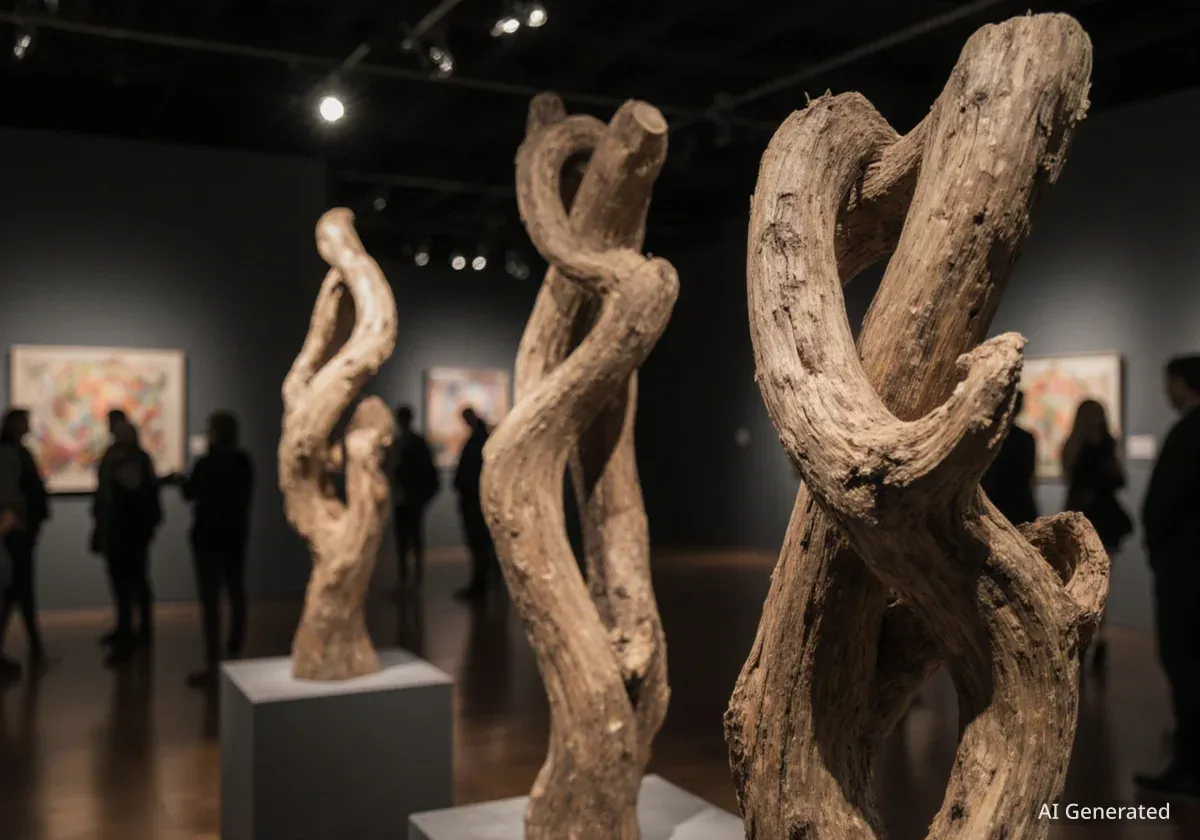
The larger opening exhibition, titled 'A Call of All Beings,' is a curated collection of works from 20 countries. This eclectic mix features Taiwanese master painters from the mid-20th century alongside postmodern video installations. In a notable achievement, the exhibition also secured original early sketches from Antoine de Saint-Exupéry’s 'The Little Prince' and archival photos of Helen Keller.
Taiwan's Rising Art Profile
For years, Taiwan's international image has often been linked to geopolitics. However, its art scene has been undergoing a significant transformation. Events like Art Taipei and the Taipei Biennial are attracting larger audiences annually, contributing to a vibrant and globally recognized artistic momentum.
Championing Taiwanese Artists and Inclusivity
A significant focus of the new museum is to highlight Taiwanese artists, particularly those from Taichung. This regional emphasis aims to foster local talent and provide a platform for their work. The exhibition also makes a concerted effort to include artists with disabilities, reflecting a broader commitment to inclusivity in the arts.
Yi-Hsin Lai, the museum’s director, emphasized the strategic importance of the library integration.
"We are so glad that we are with the library all together, because I think that can really open up another layer of audiences for us,"Lai stated, recognizing the potential for cross-pollination between art and literature enthusiasts.
A 'Gamechanger' for Taiwan's Art Scene
The Taichung Art Museum is poised to be a significant player in decentralizing Taiwan's art scene. While Taipei has long been the primary cultural hub, Taichung, a short high-speed rail journey away, already boasts a respected Museum of Fine Arts and a growing number of private galleries. The new museum is expected to further boost Taichung's appeal to international art enthusiasts.
Claudia Chen, chair of the Taiwan Art Gallery Association, called the new museum a potential "gamechanger" for Taiwan, predicting it will shift focus from the north to the south. Jenny Yeh, executive director of the Winsing Arts Foundation, added that Sanaa's involvement has already generated international attention, encouraging more visitors to explore Taiwan's cultural landscape beyond Taipei.
Lai expressed optimism for Taichung's future as an artistic landmark.
"It’s quite dynamic and vibrant now. We hope that in a few years Taichung can be an artistic landmark Asian city,"she remarked. This new institution is not just a building; it is a statement about Taiwan's evolving role in the global art world.