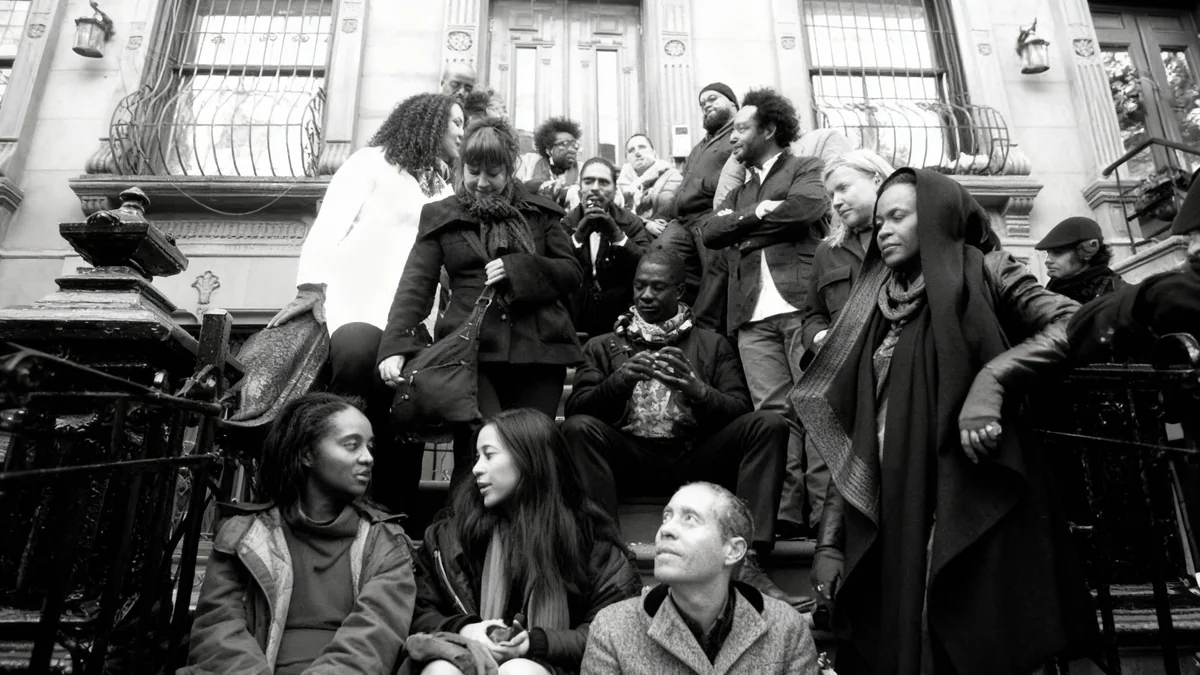
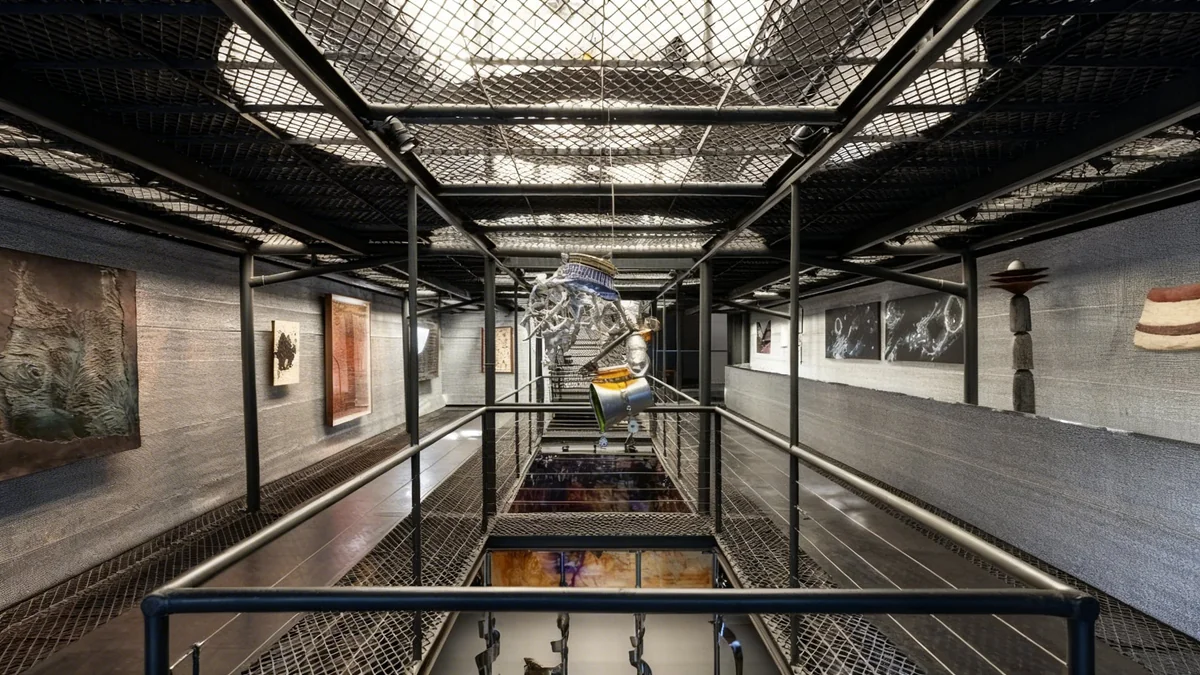
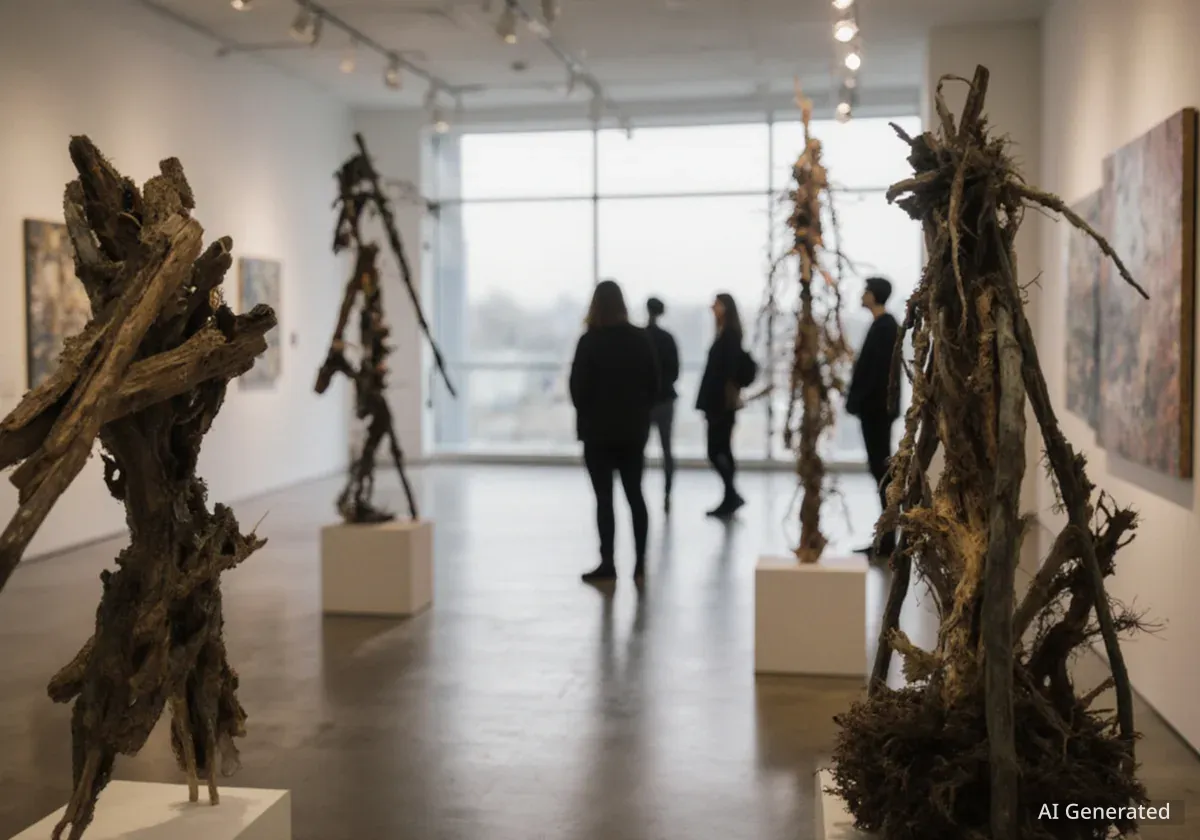
The Studio Museum in Harlem has served as a critical launchpad for over 150 visual artists of African and Afro-Latin descent since its inception in 1969. This long-running artist-in-residence program provides vital support, studio space, and financial stipends, allowing artists to develop their practice in a culturally rich environment.
Key Takeaways
- Over 150 artists have participated in the Studio Museum's residency program since 1969.
- The program offers studio space, a $37,500 stipend, and professional mentorship.
- Alumni credit the program with fostering artistic freedom and career growth.
- The Harlem environment significantly influences the artists' work.
A Legacy of Nurturing Talent
The Studio Museum in Harlem's artist-in-residence program holds a significant place in the art world. Established in 1969, it has consistently supported Black artists, addressing a historical lack of platforms for artists of color. The program provides a crucial space for creative development, free from many common financial and personal pressures.
In the 1980s, museum director Mary Schmidt Campbell formalized the program. She standardized its duration and the number of artists selected each year. Typically, three artists are chosen annually from a competitive applicant pool. In 2020, during the global pandemic, the museum expanded its support, awarding four residencies.
Program Details
- Duration: Seven months
- Artists Selected: Three annually (four in 2020)
- Stipend: $37,500
- Benefits: Studio space, staff visits, external arts professional critiques
Alumni Reflect on Transformative Experiences
Many artists who have completed the residency speak about its profound impact on their careers and artistic direction. The program offers more than just studio space and financial aid; it provides a supportive community and a unique connection to Harlem's vibrant culture.
Sanford Biggers: Embracing Improvisation
Sanford Biggers, a participant from 1999 to 2000, remembers a strong sense of camaraderie with his fellow artists. He arrived directly from graduate school, finding the residency a refreshing change from academic critiques.
"Being in Harlem and seeing the improvisatory nature of the neighborhood and the people, and catching the funk of being uptown — when I took that into the studio it sort of opened up. It freed me in a way that I could be a lot less risk averse."
Biggers felt a newfound freedom to experiment. He described it as feeling "on the stage," where unconventional ideas were encouraged. This period helped him develop a more experimental approach to his work.
Chakaia Booker: Opening Doors to Public Art
Chakaia Booker, a resident from 1995 to 1996, found the program perfectly timed after finishing graduate school. The residency maintained her creative momentum and provided crucial access to exhibitions and public art opportunities.
Her work, "Untitled (Male Torso That Left His Path)," was part of "Listening Sky" in 1995. This marked the inauguration of the Studio Museum's first public space dedicated to outdoor sculpture by artists of African descent. This exposure proved pivotal.
White House Exhibition
Booker's residency also led to her exhibiting at the White House in 1997. Her sculpture, "Repugnant Rapunzel," was part of the museum's collection, making it eligible for a series of exhibitions initiated by Hillary Clinton. This experience fundamentally altered the trajectory of her career, expanding her opportunities in public art.
Harlem's Influence and Artistic Evolution
The physical location of the Studio Museum in Harlem is not just a backdrop; it often becomes an integral part of the artists' creative process. The neighborhood's rich history, culture, and energy infuse their work.
William Cordova: Expanding Artistic Horizons
William Cordova, a resident from 2004 to 2005, found the historical weight and vibrant energy of Harlem both challenging and inspiring. He described the residency as extending beyond the studio walls into the neighborhood itself.
"The residency wasn’t just inside the studio. The residency was Harlem too."
Cordova noted that his work became more expansive and installation-based during his time there. The sensory input from Harlem, encompassing its history, geography, politics, and "magic," transformed into his art. This period helped establish his presence in New York and across the country.
Maren Hassinger: Professional Validation and Support
Maren Hassinger, who participated in 1984-1985, valued the supportive and non-judgmental atmosphere. Unlike her academic experience, the residency fostered creative freedom without external pressures to conform or change her work.
She emphasized the importance of daily interactions with other artists. This consistent support helped her feel like a "real professional" and gave her the confidence to pursue art as a career, even when the path was slow and challenging.
Mentorship and Material Exploration
The program also provides invaluable mentorship and encourages artists to push boundaries in their practice, including experimenting with new materials.
Sana Musasama: A Broadened Worldview
Sana Musasama, a resident from 1983 to 1984, experienced her first exposure to a museum environment during her residency. She was particularly influenced by the brilliant Black women curators who focused on historical context and the "Black gaze."
Her ceramics education had been rigid, emphasizing tradition. However, observing fellow artists like Alison Saar and James Dupree, who worked with diverse materials, opened her eyes to new possibilities. She began to consider materials beyond clay, such as dirt, hair, wool, and metal, expanding her artistic vocabulary.
Nari Ward: Community and Iconic Work
Nari Ward, a resident from 1992 to 1993, found his journey to the Studio Museum poetic, as his mentor, William T. Williams, was one of the program's founders. The residency allowed him to create "Amazing Grace" (1993), a piece he considers a masterpiece.
For four months, Ward collected abandoned baby strollers in Harlem, a literal engagement with the local community. This process shaped his approach to art, allowing him to connect local experiences with broader global themes. This work set the stage for his entire career.
Continuing the Legacy: New Generations
The program continues to attract and challenge new generations of artists, who feel the weight and inspiration of its storied past.
Charisse Pearlina Weston: Pushing Limits
Charisse Pearlina Weston, a recent resident from 2022 to 2023, felt the pressure that comes with entering a program with such a distinguished history. Every Black artist, she noted, recognizes the Studio Museum's significance.
"I feel like every Black artist knows about Studio Museum. They have chosen amazing artists who have gone on to do amazing things."
Despite the high expectations, Weston found the experience transformative. She tried new techniques and made pivotal breakthroughs in her practice, feeling empowered to experiment and push limits as part of the museum's ongoing legacy. The program fosters an environment where artists can truly "show up" in their work.
The Studio Museum in Harlem's artist-in-residence program remains a vital force in the art world. It continues to provide a unique space for artists of African and Afro-Latin descent to grow, experiment, and contribute to the cultural landscape.