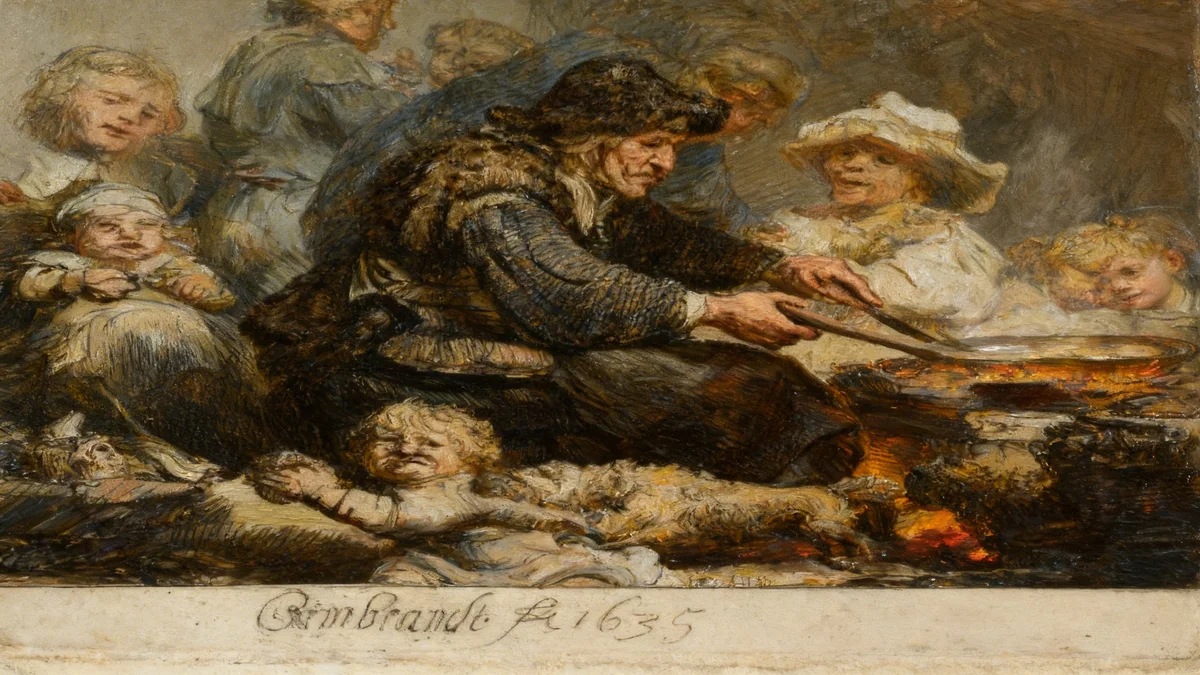


A Dutch woman in Zutphen recently discovered a collection of 35 authentic Rembrandt etchings among her inherited family possessions. Charlotte Meyer, who had kept the prints for years without realizing their true value, made the extraordinary finding during the COVID-19 pandemic when she decided to examine them more closely. Experts from the Rembrandt House in Amsterdam confirmed the authenticity of the 17th-century artworks, which are now slated for exhibition.
Key Takeaways
- Charlotte Meyer found 35 authentic Rembrandt etchings.
- The collection was inherited from her grandfather.
- The discovery occurred during the COVID-19 pandemic.
- Experts from the Rembrandt House confirmed authenticity.
- The etchings will be displayed at Stedelijk Museum Zutphen.
An Unexpected Inheritance
Charlotte Meyer's grandfather acquired the prints between 1900 and 1920. He purchased them for a small sum, likely unaware of their significant artistic value. The collection remained tucked away for decades, largely forgotten by the family.
Meyer remembered the prints as being "beautiful" but never considered them particularly special. Her grandmother also paid little attention to them. They were simply part of the family's stored items, passed down through generations without much thought.
Fact: Rembrandt's Etchings
- Rembrandt van Rijn (1606-1669) is renowned for his paintings.
- He also created hundreds of etchings throughout his career.
- These etchings were popular among collectors during his lifetime and afterward.
The Pandemic Discovery
The turning point came during the COVID-19 quarantine. With more time at home, Meyer decided to revisit the folder of prints. As she examined each piece, a growing suspicion formed that they might be more than simple decorative items.
This closer inspection prompted her to seek expert opinion. She contacted the Rembrandt House in Amsterdam, a museum dedicated to the artist's life and work. This call set in motion the process that would confirm her incredible discovery.
"They were nothing special. For just a few guilders, my grandfather bought 35 different ones," Meyer explained. "My grandmother didn’t pay any attention to them. We kept them, but nobody really expected anything from them."
Expert Verification and Shock
Experts from the Rembrandt House agreed to visit Meyer and inspect her collection. Their initial skepticism quickly turned to astonishment. Upon seeing the prints, they were reportedly "completely blown away" by the quality and quantity of the works.
The specialists confirmed that all 35 etchings were authentic works by Rembrandt van Rijn. This revelation stunned Meyer, who had no idea of the treasure she possessed. The etchings included a self-portrait, "Self-Portrait in a Fur Cap," from 1630.
Historical Context of Rembrandt
Born in Leiden, Netherlands, in 1606, Rembrandt began his artistic journey around age 14. He quickly gained recognition for his historical scenes and later for his portraits. His most famous paintings include The Anatomy Lesson (1632), Danaë (1636), and The Night Watch (1642).
Rembrandt died in 1669, but his legacy continues to generate interest and new discoveries centuries later.
Rembrandt's Enduring Legacy
This discovery adds another chapter to Rembrandt's long and celebrated history. Even over 350 years after his death, the Dutch master continues to make headlines. Recent years have seen other significant findings related to his work.
For example, in 2024, a study of his iconic painting, The Night Watch, detected the presence of arsenic. This substance helped create the golden sheen on the uniform of Lieutenant Willem van Ruytenburch, a figure in the painting.
Other Recent Rembrandt Discoveries
- In 2020, a museum in Pennsylvania discovered that a painting they had owned for decades was an authentic Rembrandt.
- The painting had previously been thought to be a "knockoff" by one of his assistants or students.
- These findings highlight the ongoing research and re-evaluation of historical artworks.
Charlotte Meyer's story is a testament to the hidden treasures that can lie within family heirlooms. Her collection of etchings, once a forgotten folder of prints, is now a valuable part of art history. She expressed her joy at the outcome.
"It’s such a beautiful story," Meyer remarked, "one you can only dream about."
The 35 Rembrandt etchings, along with other prints collected by Meyer, will soon be on public display at the Stedelijk Museum Zutphen. This exhibition will allow a wider audience to appreciate these rediscovered masterpieces and the remarkable story behind their emergence.