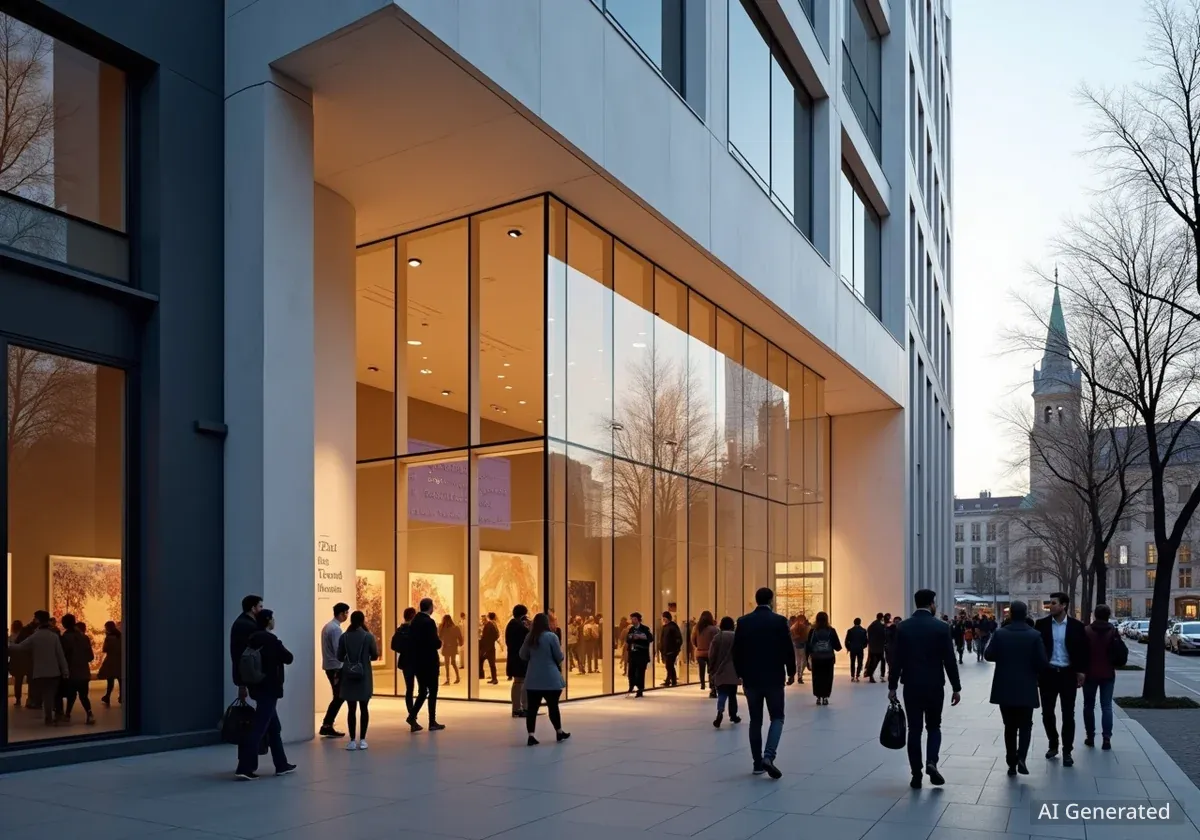
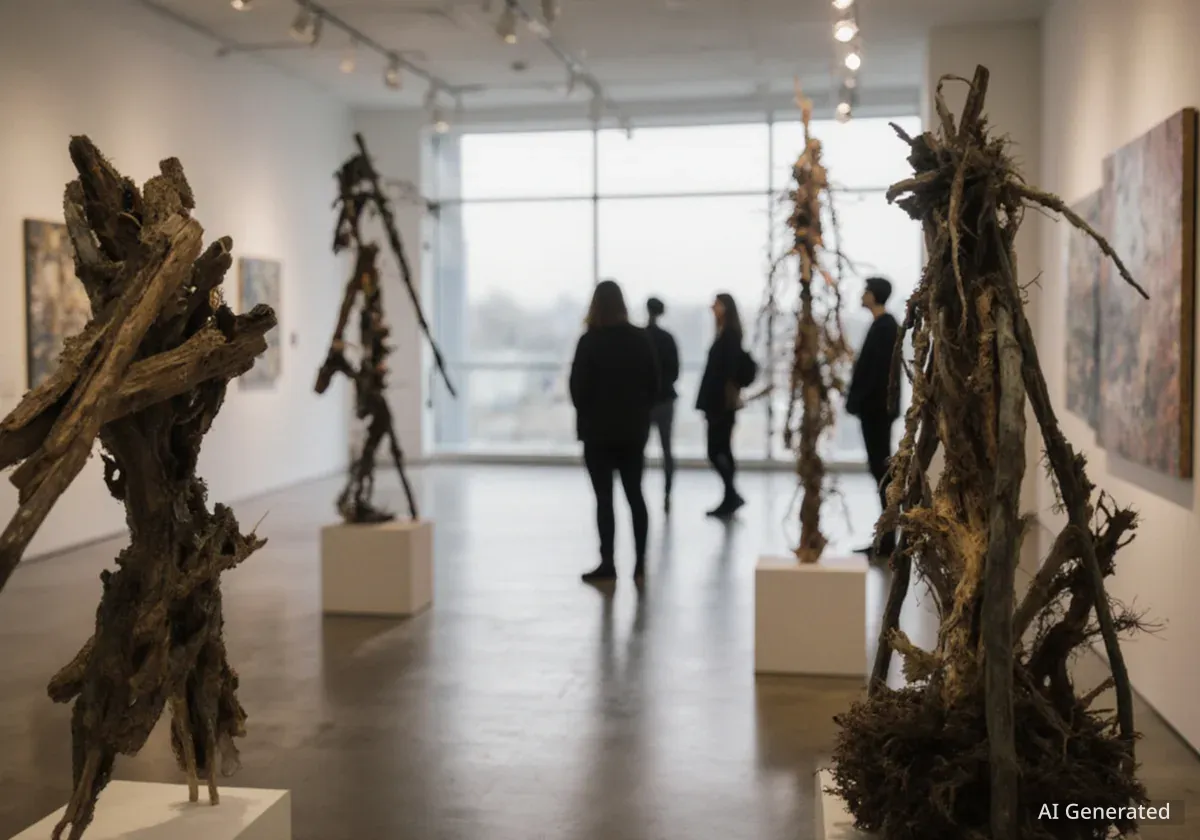
The Studio Museum in Harlem has officially reopened its doors following a seven-year construction period. The institution, a cornerstone of Black art and culture, now welcomes visitors to its new purpose-built home on West 125th Street, marking a significant moment for the arts community and the broader conversation around diversity and equity.
This reopening comes at a crucial time, reigniting a legacy that began over five decades ago. The museum's return is celebrated with new exhibitions, showcasing both its extensive collection and the work of its esteemed alumni.
Key Takeaways
- The Studio Museum in Harlem reopens after a seven-year construction period.
- The new facility is located on West 125th Street.
- The museum was founded in 1968, addressing a significant lack of institutional visibility for Black art.
- New exhibitions feature works from the museum's collection and alumni artists.
- The reopening coincides with ongoing discussions about diversity and equity in the arts.
A Return to Its Roots with a Modern Vision
The Studio Museum’s journey began in 1968, a pivotal year in American history. It first opened in a rented loft space on upper Fifth Avenue. At that time, the civil rights movement had just seen major legislative victories, but institutional recognition for African American history and culture remained largely absent.
The museum planted a radical flag, as one observer noted, by simply existing. It provided a dedicated space for Black artists and their narratives, a necessity in an era where Black art had almost no visibility within mainstream institutions.
"Some museums, just by existing, plant a bright radical flag in history."
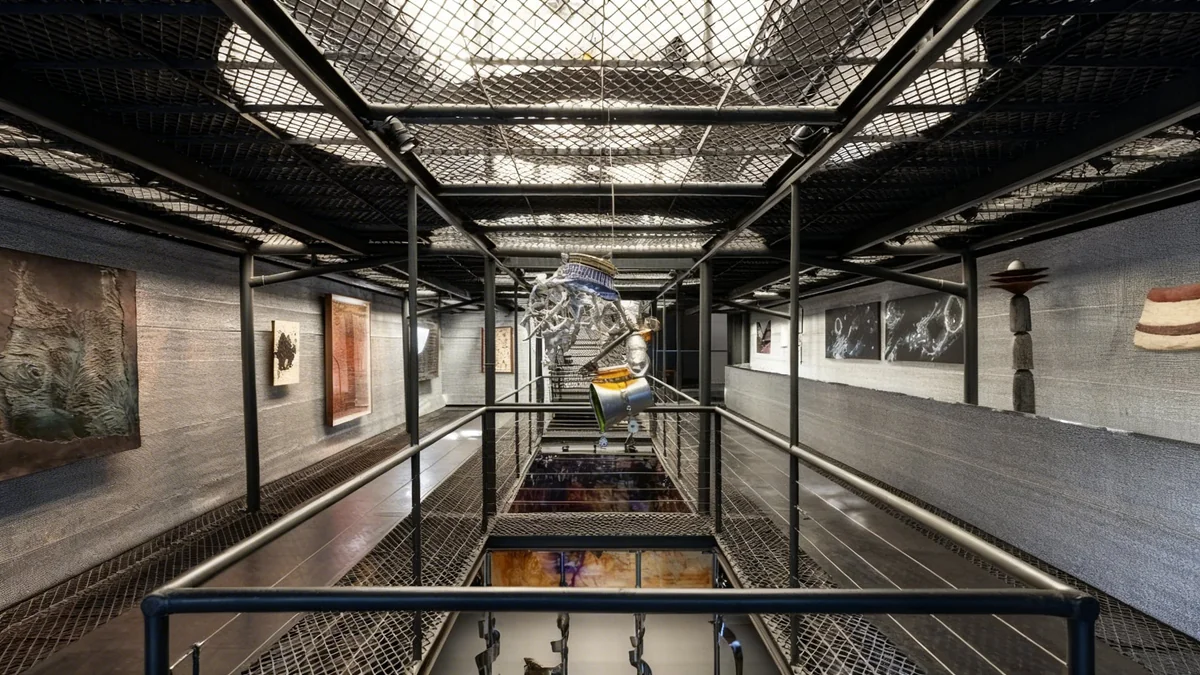
The new building represents a significant evolution. It moves the museum from its temporary spaces into a permanent, state-of-the-art facility designed specifically to house and display its collections and programs. This development underscores the enduring importance of its mission.
The Visionary Impact of David Hammons' Installation
As visitors approach the new museum, they are greeted by a prominent installation from conceptual artist David Hammons. Created in 2004, this piece features a black, red, and green flag. It draws inspiration from the Pan-African flag, which Marcus Garvey adopted in the 1920s.
Interesting Fact
The Pan-African flag, also known as the UNIA flag, was created in 1920 by the Universal Negro Improvement Association and African Communities League. Its colors symbolize the red for the blood of liberation, black for the people, and green for Africa's natural wealth.
Hammons' flag installation floats high above the sidewalk, serving as a powerful visual statement. It connects the museum's contemporary presence with a rich history of Black liberation and cultural pride. This artwork sets the tone for the experience inside, blending historical context with modern artistic expression.
Exhibitions and the Museum's Enduring Legacy
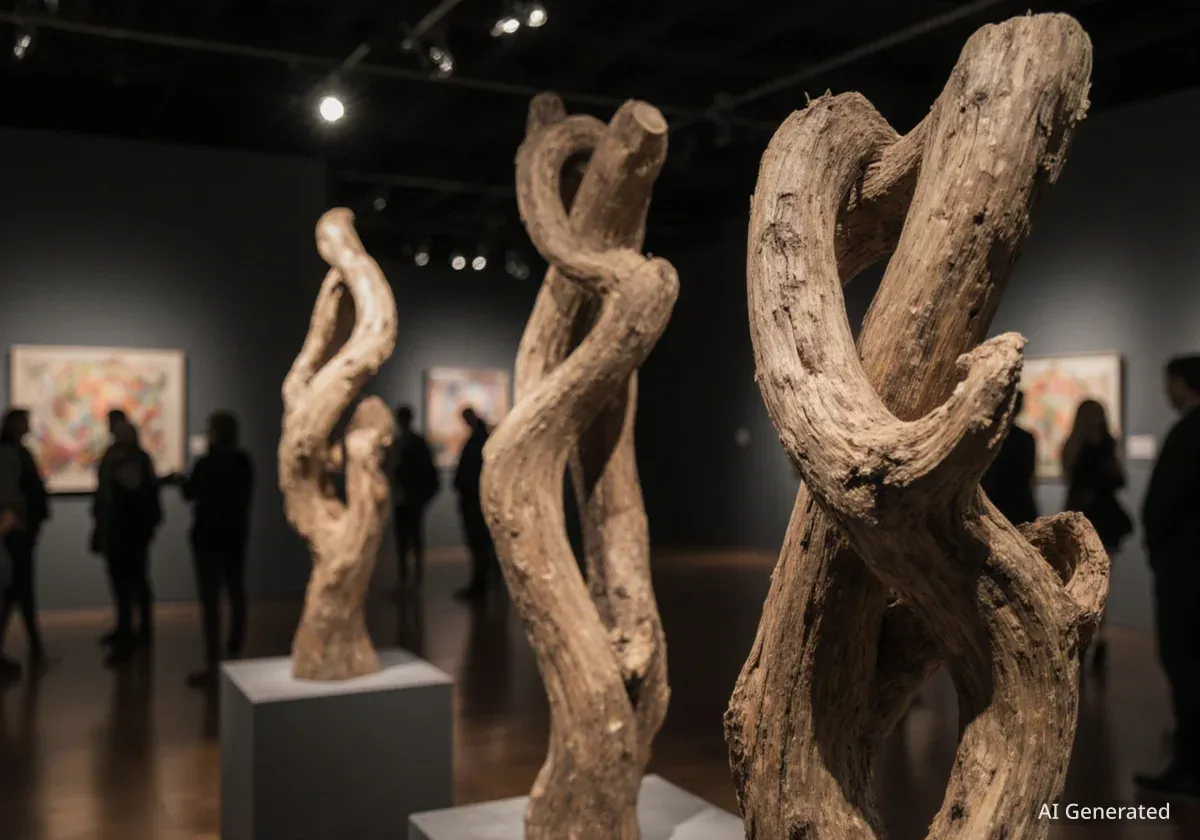
The reopening exhibitions feature a dynamic array of works. These include selections from the museum's extensive collection, which has grown significantly over its 57-year history. Additionally, there are dazzling shows dedicated to alumni artists who have passed through the museum's acclaimed artist-in-residence program.
Historical Context
The Studio Museum's artist-in-residence program has been instrumental in supporting and launching the careers of numerous Black artists. Many renowned figures in contemporary art began their journeys or gained significant recognition through this program.
These presentations highlight the museum's dual role: preserving and showcasing historical and contemporary Black art, while also nurturing the next generation of artistic talent. The institution has consistently championed artists whose voices might otherwise be marginalized.
A Beacon in a Changing Landscape
The museum's return comes at a time when discussions about diversity, equity, and inclusion are more prominent than ever across various sectors, including the arts. Its continued presence and expanded facilities reinforce its role as a vital cultural institution.
The Studio Museum in Harlem stands as a testament to the power of art to reflect, challenge, and shape society. Its reopening is not just about a new building; it is about the renewed commitment to its founding principles and its ongoing contribution to the global art world.
The Importance of Institutional Visibility for Black Art
For decades, Black artists faced significant barriers to entry and recognition within mainstream art institutions. The Studio Museum was founded to address this critical gap, providing a platform and a voice for artists who were often overlooked.
Its impact extends beyond exhibitions. The museum has served as a community hub, an educational resource, and a catalyst for critical discourse on race, culture, and art. Its programs have engaged thousands of visitors and supported hundreds of artists.
- Community Engagement: The museum has fostered strong ties with the Harlem community, offering educational programs and public events.
- Artist Development: Its residency program has provided crucial support and exposure for emerging Black artists.
- Collection Growth: The museum's collection has become a significant repository of modern and contemporary Black art.
The new facility is expected to enhance these capabilities, allowing for larger exhibitions, more extensive programming, and increased visitor capacity. This expansion will further solidify its position as a leading institution for Black art globally.
The reopening is more than just a local event; it resonates within the international art community. It signals a continued commitment to inclusivity and representation, demonstrating the vital role specialized cultural institutions play in a diverse world. The Studio Museum in Harlem is once again ready to inspire and educate, continuing its legacy of breaking barriers and celebrating Black artistic excellence.