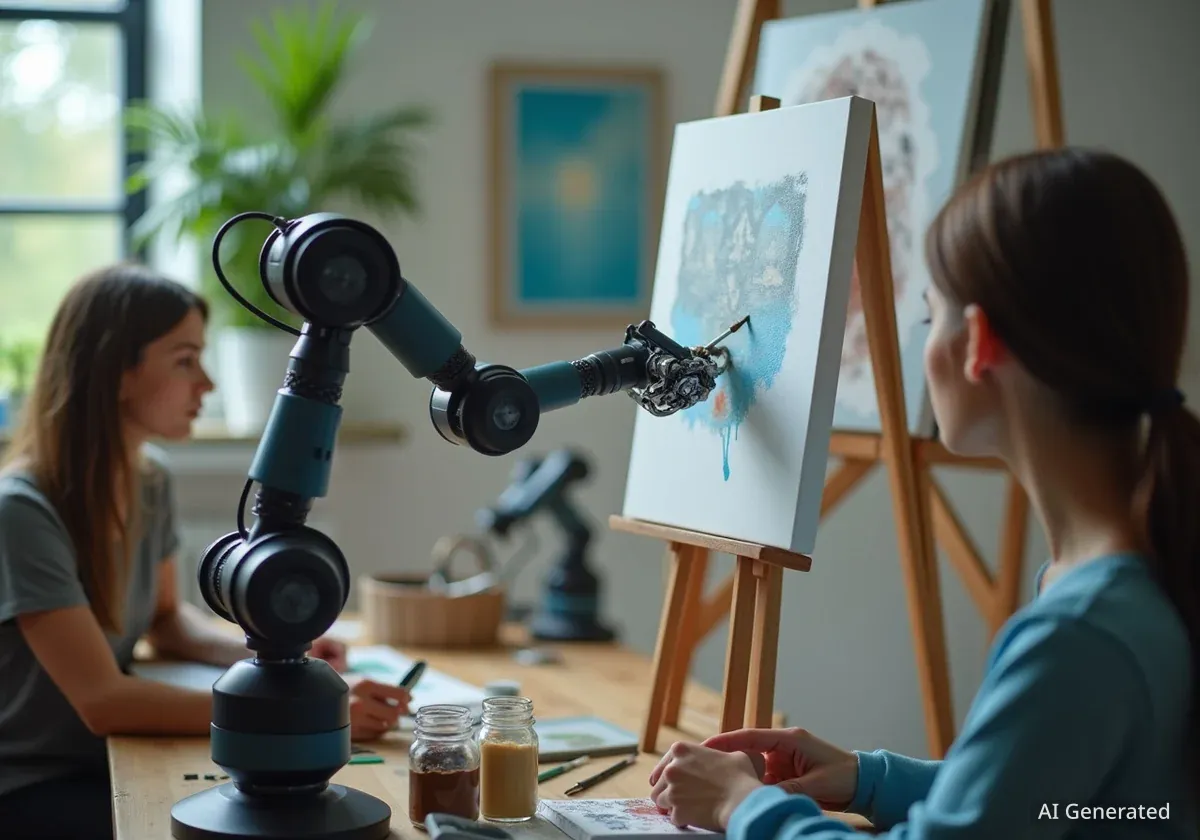
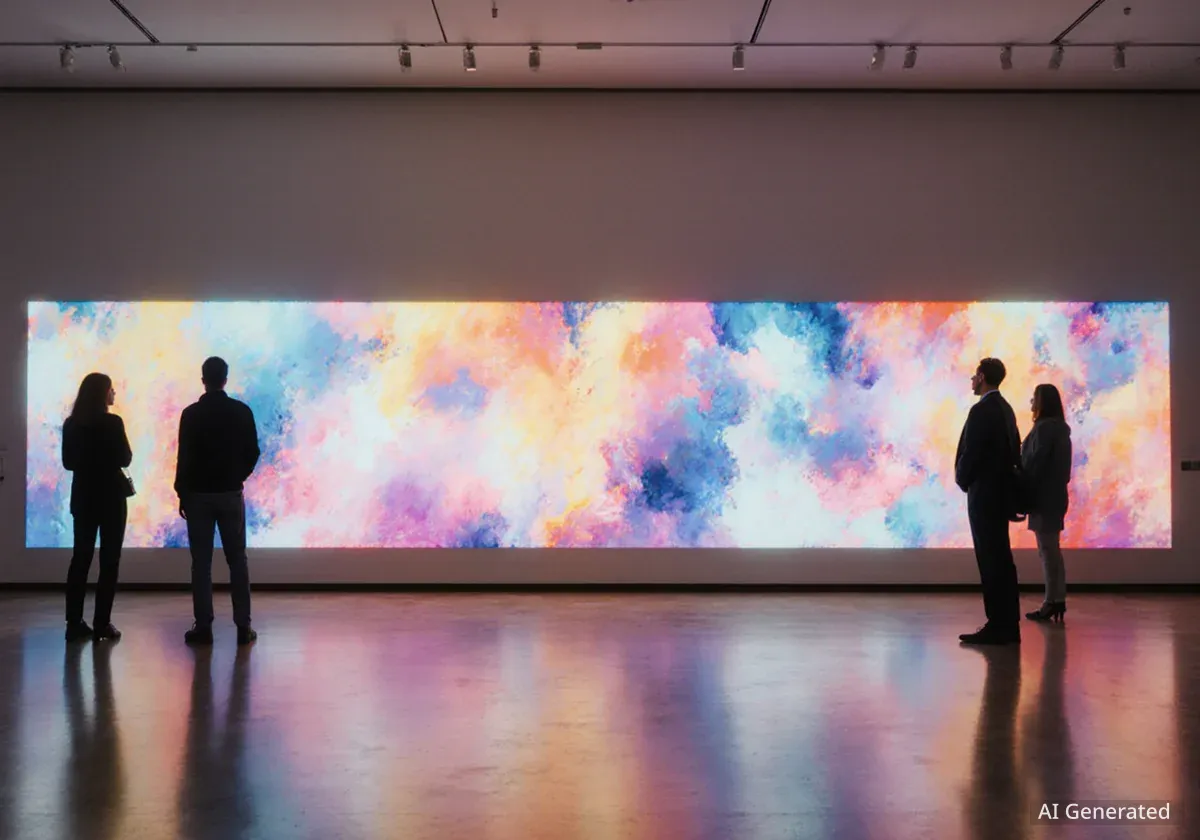
Artificial intelligence is rapidly changing the landscape of creative industries, from filmmaking to music and visual arts. This technological shift is raising significant questions about the future of human creativity and the value placed on purely human-made works.
The infiltration of AI into what was once considered exclusively human domains has ignited a strong resistance among artists and industry professionals. Many express a sense of unease about machines generating content that traditionally required human skill and emotion.
Key Takeaways
- AI is increasingly used in film, music, and visual arts production.
- Artists and industry professionals are pushing back against AI's creative role.
- The debate centers on the unique value of human-created art.
- New technologies have always influenced art, but AI presents distinct challenges.
AI's Impact Across Creative Fields
AI's capabilities are expanding into various artistic disciplines. In film production, generative AI has been used for subtle enhancements, such as refining accents to improve authenticity. This application highlights AI's potential to address specific technical challenges.
However, the scope of AI goes beyond minor adjustments. It can now generate entire pieces of music, create complex visual art, and even contribute to scriptwriting. This broad application is causing a significant stir within creative communities.
Did You Know?
The film "The Brutalist," nominated for 10 Oscars, reportedly used generative AI to enhance actors' Hungarian accents, contributing to its Best Actor win for Adrien Brody.
Charlie Fink, a longtime Hollywood producer and professor at Chapman University, notes a palpable sense of apprehension. "There's a feeling of existential dread in the air in Los Angeles," Fink stated, capturing the mood among many in the industry.
The Allure and Concerns of AI in Art
The promise of generative AI is particularly appealing to executives in creative fields. The idea of streamlining production processes and reducing reliance on large teams of artists is a powerful incentive.
Karla Ortiz, a visual artist based in San Francisco who has contributed concept illustrations for major movies and video games, explained the executive perspective. "The promise of what generative AI brings is alluring, especially to executives," Ortiz observed. "You don't have to deal with this whole group of artists. You can just hit a button, and there you go."
"When you know something was created by a human, we crave that connection. It's that desire to hear stories from each other. That's very, very primal."
This efficiency, however, comes with significant concerns for artists. Many fear job displacement and a devaluation of their unique skills. The ability to generate art quickly might lead to a saturation of content, making it harder for human artists to stand out.
The Enduring Value of Human Connection
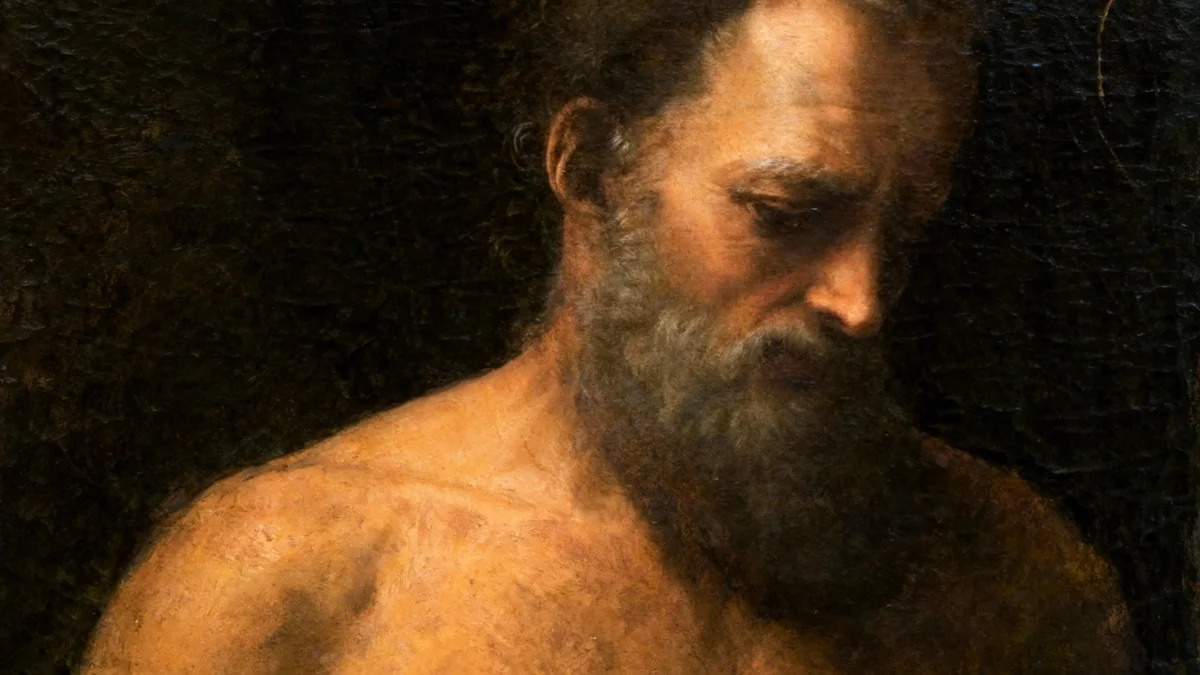
One core aspect of the debate revolves around the inherent value of human-made art. For many, art is not just about the final product but also about the human story, emotion, and intention behind its creation. This connection is seen as fundamental to the artistic experience.
Ortiz emphasized this point, stating, "When you know something was created by a human, we crave that connection. It's that desire to hear stories from each other. That's very, very primal." This sentiment underscores a deep-seated human need for authentic interaction and shared experience through art.
Historical Context
New technologies have always influenced art. The invention of photography changed painting, and computer-generated imagery (CGI) transformed filmmaking. Each innovation brought new possibilities and challenges, reshaping artistic expression.
While technology has always played a role in art's evolution, AI presents a different kind of challenge. Previous technologies served as tools to enhance human creativity. AI, in contrast, can mimic or even generate creative output independently.
Recognizing AI-Generated Art
A growing concern is the difficulty in distinguishing between human-created and AI-generated art. As AI tools become more sophisticated, their outputs can be virtually indistinguishable from human work. This raises questions about authenticity and transparency.
If audiences cannot tell the difference, the unique value of human creativity might be diminished. This potential for deception adds another layer of complexity to the ongoing discussion about AI's role in the arts.
The Push for Transparency
Many artists and advocates are calling for greater transparency in the use of AI. They argue that audiences have a right to know if a piece of art was created by a human or a machine. This information is crucial for maintaining trust and valuing human ingenuity.
The development of industry standards and regulations regarding AI disclosure could become a critical step. This would help consumers make informed choices and support human artists.
The Future of Creativity
The debate surrounding AI in art is far from over. It forces a re-evaluation of what creativity truly means and where its boundaries lie. While AI offers powerful new tools, the human desire for genuine connection through art remains strong.
The future likely involves a complex interplay between human artists and AI tools. The challenge will be to harness AI's capabilities in a way that supports, rather than supplants, human creativity and preserves the unique emotional resonance of human-made art.
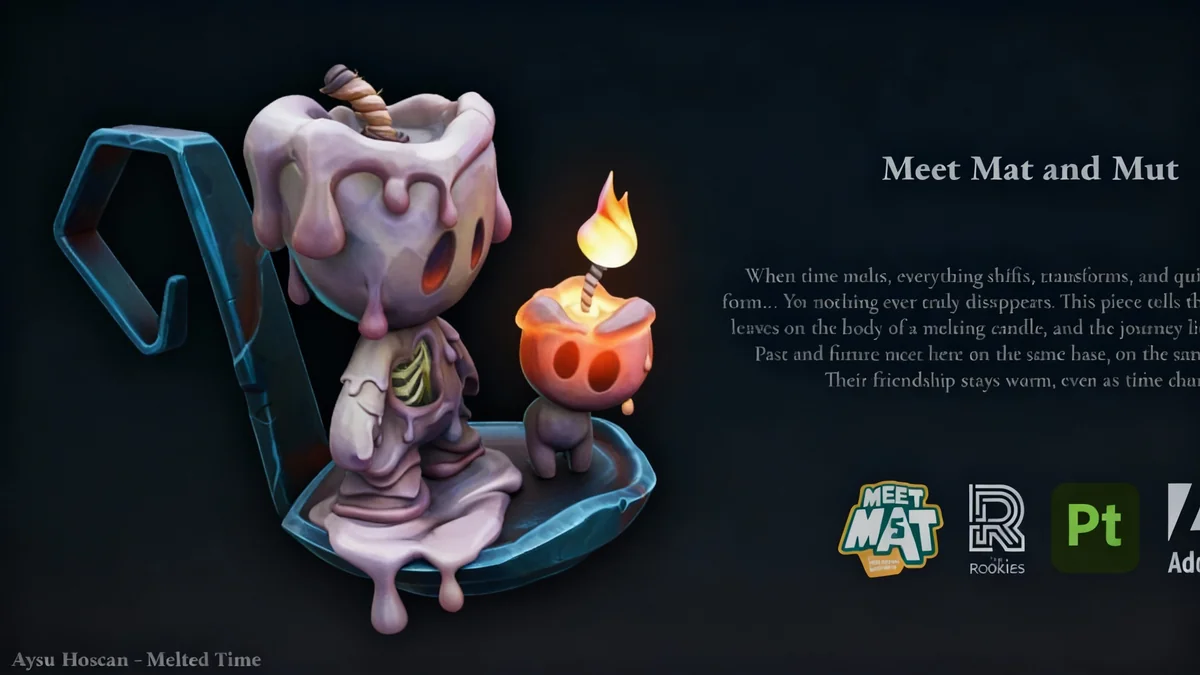
- Artists are exploring new forms of expression in response to AI.
- The focus may shift to the narrative and intention behind the art.
- Education about AI's capabilities and limitations will be important for audiences.