

Laurence des Cars, the first female president and director of the Louvre Museum, resigned on Tuesday. Her departure comes less than five months after a high-profile theft of crown jewels, valued at over $100 million, cast a shadow over the museum's security protocols.
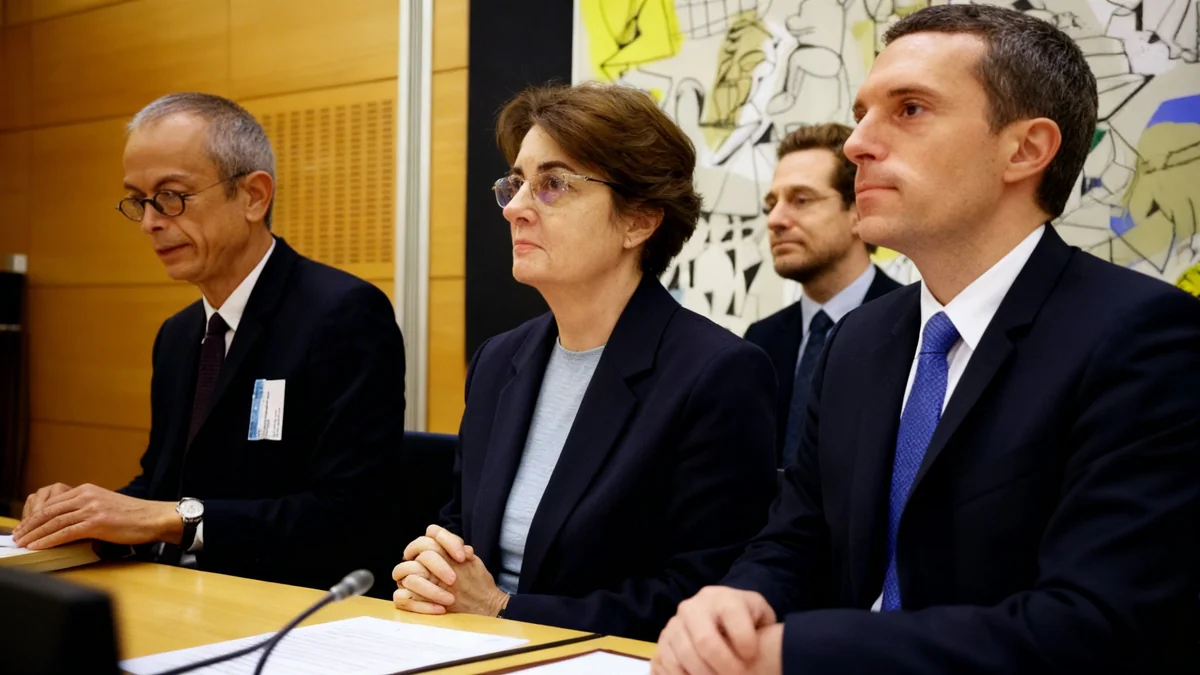
President Emmanuel Macron accepted her resignation, stating the museum requires "stability and a strong new impetus" to complete major security and modernization projects. Ms. des Cars was scheduled to testify before the French Parliament regarding security issues the day after her resignation was announced.
Key Takeaways
- Laurence des Cars, Louvre's director, resigned following a major jewel theft.
- The stolen jewels were valued at over $100 million.
- Her tenure also saw strikes, water damage, and a ticket fraud scheme.
- The 'Louvre – New Renaissance' project faces uncertainty.
- An audit criticized the museum's security and spending priorities.
Security Concerns Mount After Daring Heist
The theft of the crown jewels in October was a significant blow to the Louvre's reputation. The incident sparked widespread criticism and raised serious questions about the security measures in place at the world's largest museum. Initial reports from Ms. des Cars suggested a key security camera was misdirected, a claim later contradicted by investigators who confirmed the burglars were captured on video.
This audacious crime, reportedly carried out in broad daylight with the aid of a truck-mounted electric ladder, captured international headlines and even inspired comedic routines. The cinematic nature of the theft amplified the public's concern and scrutiny.
Fact: Jewel Valuation
The collection of jewels stolen from the Louvre was valued at more than $100 million.
A Tenure Marked by Challenges
Ms. des Cars's leadership, which began in 2021, was plagued by a series of misfortunes beyond the jewel theft. The museum experienced significant water damage to antique books, forcing the closure of a gallery due to structural weaknesses. Additionally, the Louvre faced numerous strikes by museum workers and was hit by a ticket fraud scheme that cost nearly $12 million.
Each of these incidents chipped away at Ms. des Cars's standing and her political support. Despite these challenges, she maintained that she had consistently highlighted the museum's security weaknesses and worked to secure government funding for renovations.
"It is a wound that I will certainly carry all my life," Ms. des Cars stated in an interview a month after the theft, acknowledging the reputational damage.
The 'Louvre – New Renaissance' Project in Limbo
President Macron had appointed Ms. des Cars with a mandate to oversee an ambitious refurbishment program called "Louvre – New Renaissance." This project, envisioned as a cornerstone of his cultural legacy, aimed to modernize the museum and reconfigure its layout. However, it drew considerable criticism for its substantial cost and proposed changes, including moving the iconic Mona Lisa to a separate room with its own entrance.
The project's future now appears uncertain with Ms. des Cars's resignation. Its connection to President Macron also means it has become intertwined with French political discourse, reflecting his waning popularity as his second term nears its end.
Historical Context
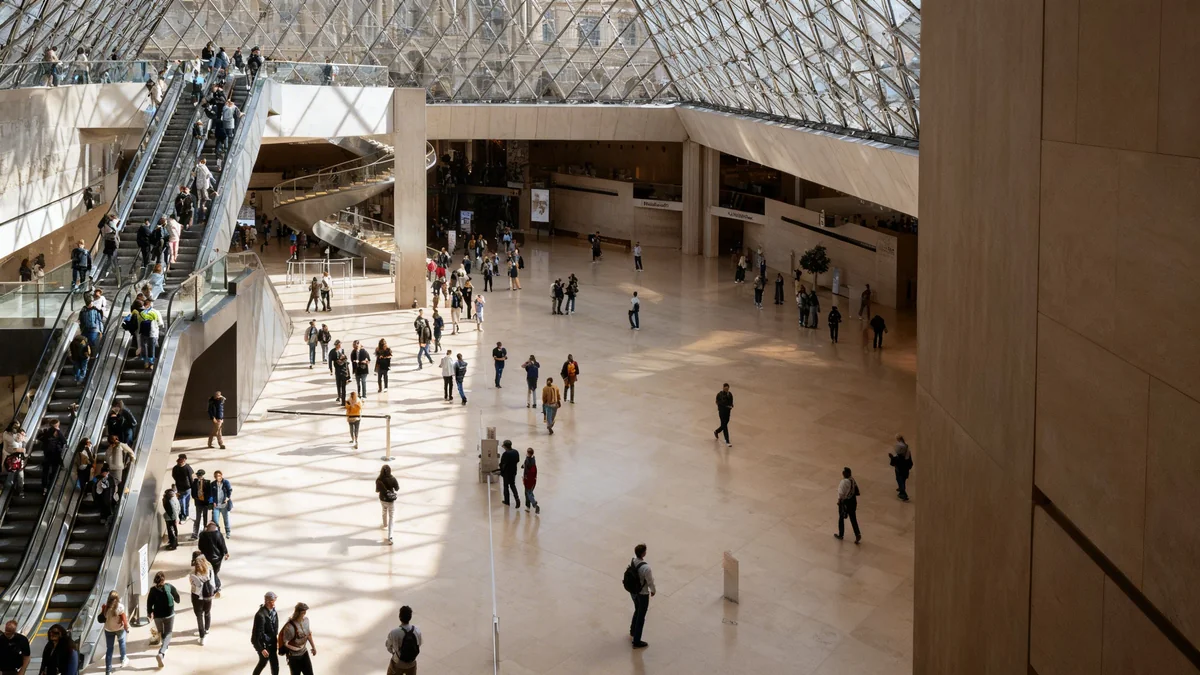
Previous French presidents often left significant cultural legacies. Georges Pompidou commissioned the Pompidou Center, while François Mitterrand initiated the Bastille Opera and the Louvre's famous pyramid entrance.
Damning Audit Reveals Systemic Failures
France's top auditing institution, the Cour des Comptes, published a critical audit of the Louvre. The report highlighted a lack of a comprehensive security master plan and pointed to aging security systems. It further faulted museum leadership for prioritizing artwork acquisitions and showroom design over fundamental upkeep and security enhancements.
Pierre Moscovici, the auditors' president, described the jewel theft as a "deafening alarm signal." The audit also sharply criticized the "New Renaissance" project, deeming its 1.1 billion euro (approximately $1.3 billion) budget excessive. Auditors argued that these funds should instead be allocated to bolstering the museum's security infrastructure.
- The audit found no security master plan in place.
- It cited aging security systems as a major vulnerability.
- The report criticized spending on new artwork over basic upkeep.
- The "New Renaissance" project was deemed too costly.
Looking Ahead for the Louvre
Despite the challenges, Ms. des Cars had retained support from many Louvre staff members. She emphasized that taking charge of such a globally symbolic institution meant navigating intense controversies. Her prior role as head of the Musée d’Orsay had prepared her for leadership in the arts, but the scale of the Louvre's issues proved immense.
In a French newspaper interview after her resignation, Ms. des Cars accepted some blame for security failures but noted that the perpetrators of the theft remain at large. She expressed no regrets about her proposed changes, suggesting she might be "paying the price" for her ambitious vision.
The search for a new director will be critical for the Louvre. The incoming leader will face the immediate challenge of restoring public confidence in the museum's security, while also deciding the future direction of the ambitious "New Renaissance" project. The eyes of the cultural world will be watching closely.