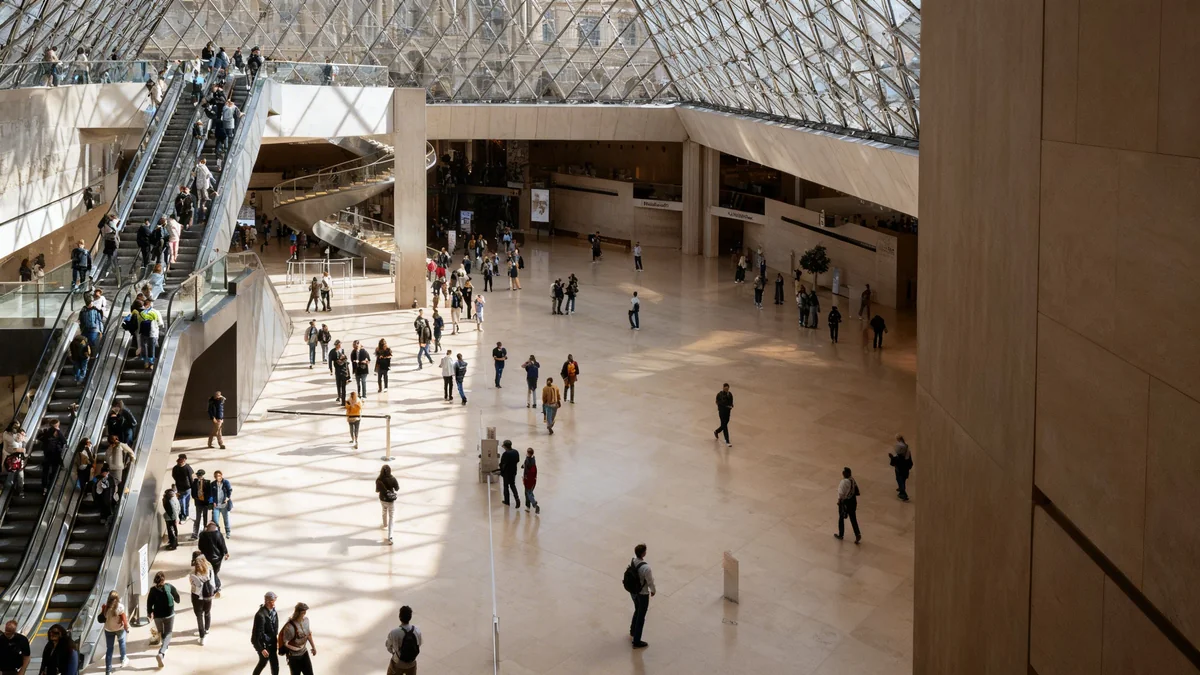


The Louvre Museum in Paris has uncovered a sophisticated ticket scam network that investigators say cost the institution nearly $12 million over a decade. The Paris prosecutor's office revealed last week that nine individuals, including two museum employees, have been arrested in connection with the widespread fraud.
The alleged scheme involved tour guides repeatedly reusing tickets for different visitors, a practice that investigators believe has been ongoing for ten years, processing up to 20 groups daily. Authorities suspect similar activities may have occurred at the Palace of Versailles.
Key Takeaways
- Louvre Museum lost nearly $12 million over a decade due to a ticket scam.
- Nine individuals, including two museum employees, were arrested.
- The scam involved reusing tickets and potentially bribing staff.
- Investigators seized over $1 million in cash and $500,000 from bank accounts.
- The museum also faces security issues and infrastructure damage.
Investigation Uncovers Widespread Fraud
The investigation began in late 2024 after the Louvre filed a complaint. Officials suspected a pair of Chinese tour guides were reusing tickets for various groups. This initial suspicion quickly expanded into a much larger inquiry.
Evidence gathered over the past year points to a complex network. This network allegedly included museum employees who received bribes. It also involved splitting up large tourist groups to avoid additional fees.
"The Louvre is encountering an increase and diversification of ticket fraud," the museum stated in an email. "Its management is working with the police to better identify and prevent it."
Significant Seizures
- Over $1 million in cash was seized by investigators.
- More than $500,000 was frozen from various bank accounts.
- Part of the illicit gains was reportedly invested in real estate in France and Dubai.
Arrests and Charges
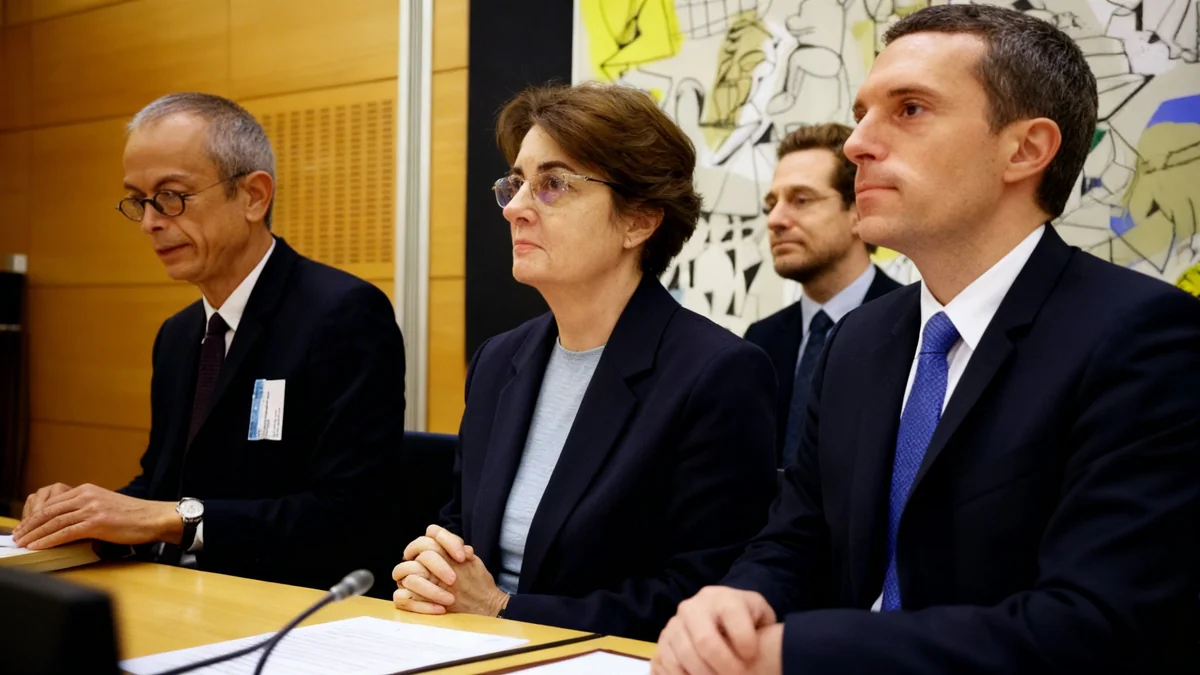
Last week, police arrested nine individuals in connection with the scam. The Paris prosecutor's office confirmed that two of those arrested were museum employees. The identities of the suspects have not been released publicly.
The charges against them include fraud committed by an organized gang, use of forged documents, corruption, and aggravated money laundering. One suspect remains in pretrial detention, while the other eight have been released under strict conditions as the investigation continues.
Ongoing Challenges for the Louvre
This ticket fraud scandal adds to a series of recent difficulties for the Louvre. The museum has faced significant challenges in recent months, impacting its operations and reputation.
In October, royal jewels valued at over $100 million were stolen from the museum. This heist highlighted serious deficiencies in the institution's security system. The museum has been under increased scrutiny since then.
Broader Institutional Issues
Beyond the recent scam, the Louvre has also contended with infrastructure problems. Two water leaks have been reported since the October heist. One gallery had to close preemptively due to weaknesses found in its beams, raising concerns about the building's structural integrity.
Impact on Operations and Future Plans
A strike by some museum staff has also forced the Louvre to close, either fully or partially, about a dozen times since December. These closures disrupt visitor access and affect revenue.
Kim Pham, the general administrator of the Louvre, acknowledged on French television that there are "difficulties in checking tickets that have been purchased online when visitors go through and enter the museum." This statement points to potential vulnerabilities in the museum's digital ticketing system.
Renovation Project Faces Setbacks
The Louvre has ambitious plans for a major renovation project, dubbed "Louvre New Renaissance." President Emmanuel Macron and museum director Laurence des Cars unveiled this project a year ago. It aims to ease overcrowding by moving the Mona Lisa to a separate room and creating a new entrance. The plan also includes refurbishing aging infrastructure.
However, the project has met with setbacks. The architectural competition to select a winner for part of the renovation was supposed to conclude last week, but the museum announced its postponement. This delay adds to the existing challenges.
Recent Damage
Just last week, the Louvre confirmed a water leak from a heating supply pipe had damaged a 19th-century ceiling painting by Charles Meynier. Firefighters stopped the leak, but part of the painting was torn, and some areas show blistering paint. This incident further underscores the need for infrastructure upgrades.
Leadership Under Scrutiny
Director Laurence des Cars has faced increased criticism since the jewel heist, despite her efforts to advance the renovation initiative. Rachida Dati, France's culture minister, who initially refused des Cars's resignation, indicated last month that "major decisions" regarding the museum's management would be made "shortly."
The Louvre, a symbol of French culture and a global landmark, now faces the task of restoring public trust while addressing significant security, financial, and infrastructural issues. The comprehensive investigation into the ticket scam continues, aiming to fully dismantle the network and recover all stolen funds.