
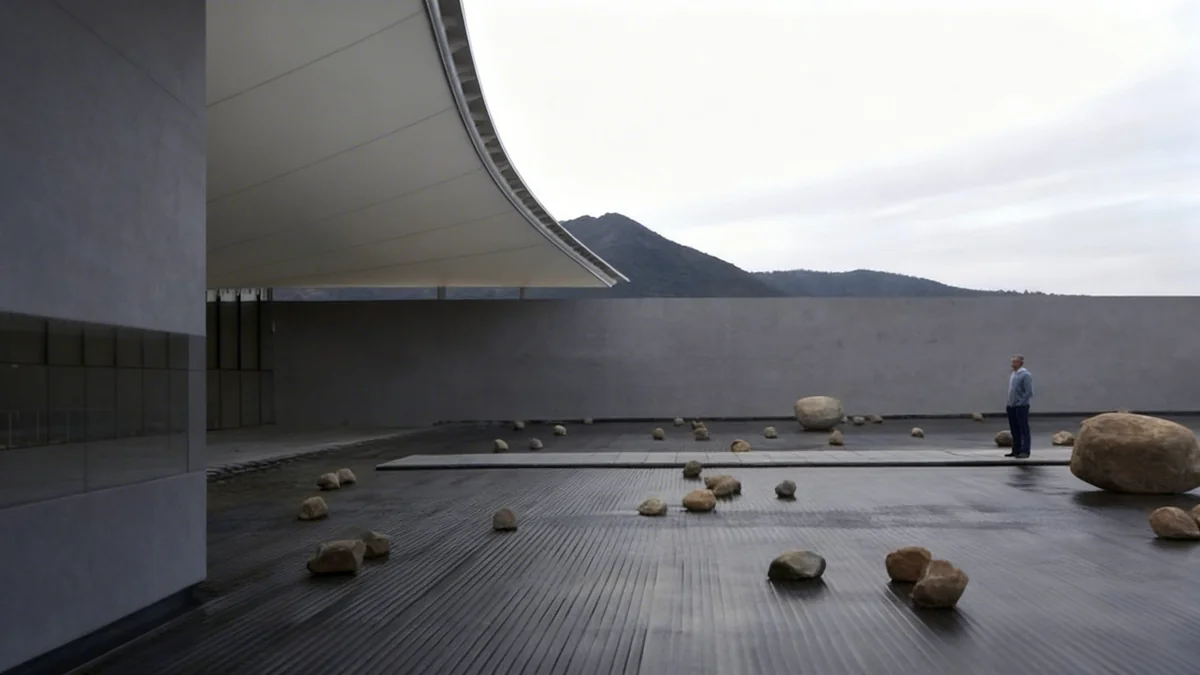

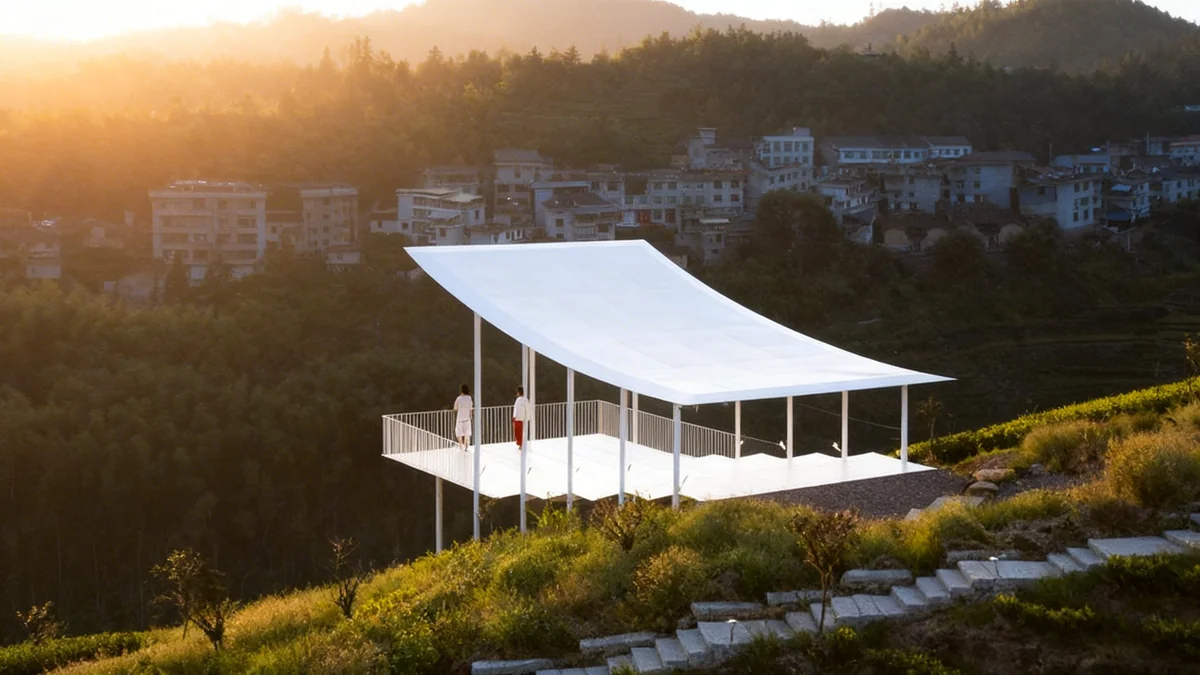

The Pritzker Foundation has postponed the announcement of the 2026 Pritzker Architecture Prize, a decision that follows the release of court documents linking a key foundation figure to Jeffrey Epstein. The foundation has not provided a new date for revealing the recipient of what is often called architecture's highest honor.
The delay comes after Tom Pritzker, vice president of the Pritzker Foundation, was mentioned more than a thousand times in emails connected to Jeffrey Epstein, which were made public by the U.S. Department of Justice on January 30. Shortly after the documents' release, Pritzker also retired from his role as executive chairman of the Hyatt Hotels Corporation.
Key Takeaways
- The 2026 Pritzker Architecture Prize announcement, typically held in March, has been delayed indefinitely.
- The postponement follows revelations of Tom Pritzker's extensive contacts in newly released Jeffrey Epstein-related emails.
- Tom Pritzker retired as executive chairman of Hyatt Hotels on February 16 but remains in leadership roles at the Pritzker Foundation and Hyatt Foundation.
- The Pritzker Prize organization has asserted that its jury operates independently and free from external influence.
A Cloud Over Architecture's Top Honor
The decision to delay the prestigious award casts a shadow over the annual celebration of architectural excellence. For decades, the Pritzker Architecture Prize has been a benchmark in the field, recognizing living architects whose work demonstrates a combination of talent, vision, and commitment to humanity.
The controversy centers on Tom Pritzker, a billionaire real estate heir and a central figure in the organizations that oversee the prize. His name appeared frequently in communications with Jeffrey Epstein and Ghislaine Maxwell, prompting public scrutiny of his associations. The Pritzker Foundation's move to postpone the 2026 announcement is the first major public action taken by the prize organization since the documents became public.
The Pritzker Architecture Prize
Established in 1979 by the Hyatt Foundation, the Pritzker Architecture Prize is awarded annually to honor a living architect or architects. Often referred to as the "Nobel Prize of architecture," it comes with a $100,000 grant and a bronze medallion. Past laureates include globally renowned figures such as Zaha Hadid, Frank Gehry, and Norman Foster.
Pritzker's Departure from Hyatt and Public Statement
On February 16, Hyatt Hotels Corporation announced that Tom Pritzker would retire from his position as executive chairman of the board. In the company's press release, Pritzker expressed pride in his contributions to Hyatt's growth, stating it was "one of the great experiences of my life."
A day later, on February 17, Pritzker addressed his connection to Epstein and Maxwell directly.
"I exercised terrible judgment in maintaining contact with them, and there is no excuse for failing to distance myself sooner. I condemn the actions and the harm caused by Epstein and Maxwell and I feel deep sorrow for the pain they inflicted on their victims."
Despite stepping down from Hyatt's board, Tom Pritzker maintains significant influence over the architecture prize. He continues to serve as vice president of the Pritzker Foundation, president of the Pritzker Family Philanthropic Fund, and chairman of the Hyatt Foundation, the entity that founded the award.
Timeline of Events
- January 30: U.S. Department of Justice releases Jeffrey Epstein email cache.
- February 16: Tom Pritzker announces his retirement as executive chairman of Hyatt Hotels.
- February 17: Pritzker issues a public statement of regret regarding his association with Epstein.
- February 24: News of the Pritzker Prize postponement becomes public.
Questions of Influence and Independence
The situation has raised questions about the operations and governance of the prize. Email records reportedly show that Epstein was invited to Pritzker Prize ceremonies on multiple occasions dating back to at least 2012. Further reports suggest Epstein attempted to arrange a venue for the 2019 ceremony, which honored Japanese architect Arata Isozaki.
In response to these concerns, the Pritzker Prize organization issued a statement emphasizing the autonomy of its selection process. The statement affirmed the jury's integrity and its freedom from outside pressures.
"The jury, composed of internationally respected professionals from a range of disciplines, has always and will continue to conduct its work confidentially and free from external influence," the Pritzker Foundation stated.
As the architecture world awaits a new announcement date, the delay highlights the challenges cultural institutions face when their leadership becomes entangled in public controversy. The foundation's next steps will be closely watched by architects, critics, and the public alike, as it navigates the fallout and seeks to uphold the prize's esteemed reputation.