An international competition to design a major sustainability landmark in Rotterdam has narrowed to five finalists, each presenting a unique vision for the city's future. The project, initiated by the climate action company Shift, aims to create an iconic 30,000-square-meter building in the new waterfront district of Waterkant.
The final concepts, developed by world-renowned architectural firms, imagine a space that combines a hotel, conference center, and sustainable food court. The goal is to build a destination that makes circular living an immersive and tangible experience for visitors and the local community.
Key Takeaways
- Five architectural teams have been shortlisted to design the Shift Landmark in Rotterdam.
- The project is a 30,000 m² mixed-use building focused on sustainability and circular living.
- The finalists include MVRDV, Heatherwick Studio, Mecanoo, Ecosistema Urbano, and Office for Political Innovation.
- The landmark will be located in the new Waterkant district, a site chosen for its relevance to climate change challenges.
- The winning design is expected to be announced in the spring of 2026.
A New Vision for Rotterdam's Waterfront
The Shift Landmark competition, launched in January 2025, has moved into its final stage. From an initial pool of 80 international submissions, five teams have been selected to refine their proposals for what is intended to be a new standard in purpose-driven architecture.
The planned building will occupy a prominent riverside plot next to a new tidal park in Waterkant, a developing district in the southern part of the city. It is designed to be more than just a structure; it's envisioned as an active hub for promoting sustainable behaviors through direct experience.
Project at a Glance
The brief called for a 25,000 to 30,000-square-meter facility that integrates a hotel, a conference and meeting center, and a food court centered on sustainable principles. The core mission is to translate the abstract concept of a circular economy into something people can see, feel, and participate in.
Shift, the company behind the initiative, focuses on creating digital programs that encourage individual behavior change to reduce carbon emissions. This physical landmark is a major step in bringing that mission into the built environment.
Why Rotterdam? A City on the Front Lines
The selection of Rotterdam for the inaugural landmark is highly symbolic. With approximately 90 percent of the city lying below sea level, it is a community that lives with the daily realities of water management and climate vulnerability. This makes it a fitting location for a project dedicated to pioneering sustainable solutions.
The Netherlands as a whole faces significant environmental challenges, as 55 percent of its land is susceptible to flooding. By placing the first landmark here, the project organizers aim to create a powerful statement about resilience and innovation in the face of climate change.
The competition attracted widespread interest, with around 1,500 architects from 50 different countries downloading the initial brief before the 80 formal submissions were made.
This project is not intended to be a one-off. Shift plans for the Rotterdam landmark to be the first in a global network, with future sites planned across six continents, each adapted to its local environmental and cultural context.
The Five Finalists: A Glimpse into the Future
The five shortlisted designs offer distinct interpretations of what a 21st-century landmark dedicated to sustainability could be. Each proposal integrates architecture with ecology, community engagement, and education.
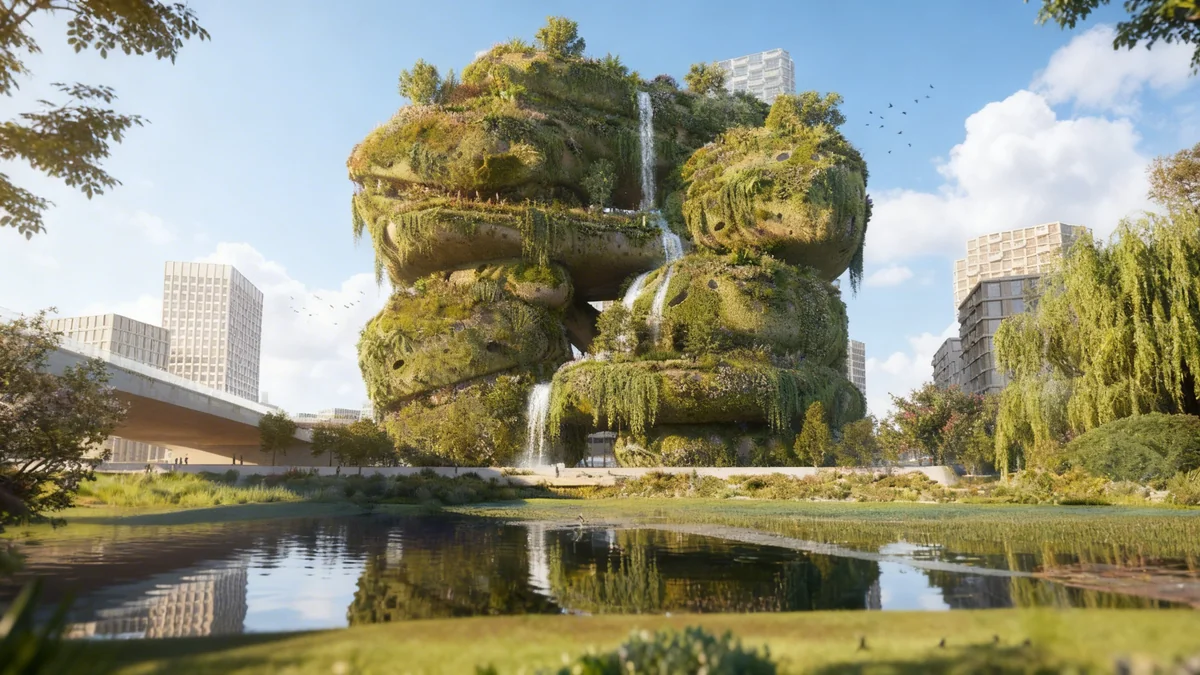
Rotterdam Rocks by MVRDV
The Dutch firm MVRDV proposes a structure conceived as a stacked landscape of "living rocks." Their design, titled Rotterdam ROCKS!, aims to turn the building itself into a regenerative urban ecosystem. The concept features structures that appear to breathe, merging the natural world with public urban life and reflecting Rotterdam's experimental architectural spirit.
Urban Reef by Heatherwick Studio
London-based Heatherwick Studio has designed the Urban Reef, a building composed of six distinct layers of activity that support one another like a natural reef. The design is influenced by the flow of natural systems and creates spaces that encourage community interaction, raise climate awareness, and demonstrate more sustainable ways of living.
The House of Shift by Mecanoo
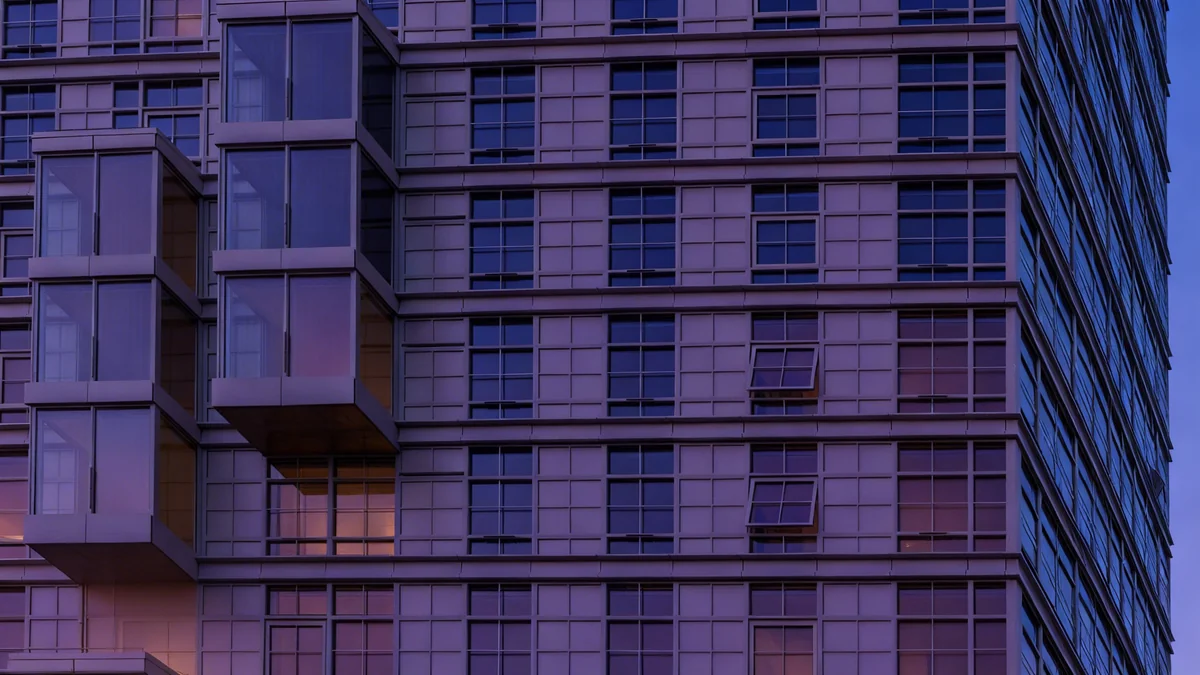
Another Dutch contender, Mecanoo, envisions The House of Shift as an inspiring icon for sustainability. Their proposal places a strong emphasis on practical circular principles, including bold upcycling of materials, significant carbon storage, and complete energy neutrality. The design integrates spaces for exploration, play, and action.
A Living Landmark by Ecosistema Urbano
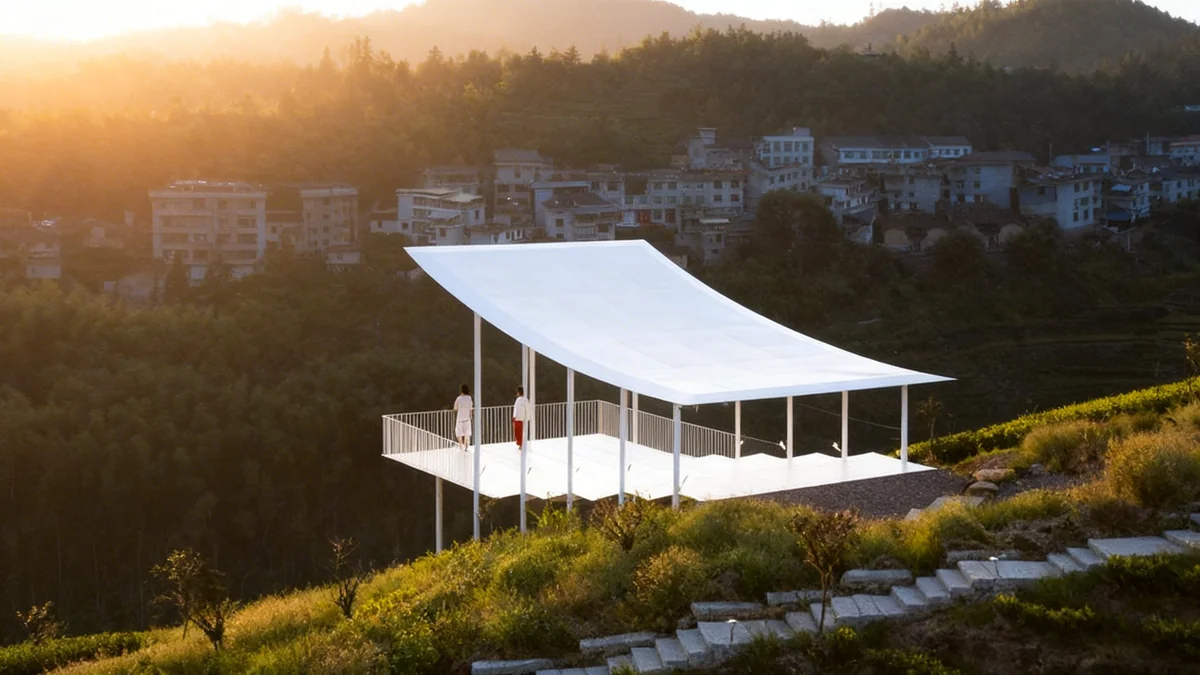
Spanish firm Ecosistema Urbano has conceived A Living Landmark, which operates as a regenerative living system. Their design functions as a dynamic social organism, integrating public space with ecological performance. A key goal is to actively foster biodiversity and strengthen the connection between local communities and the surrounding ecological networks.
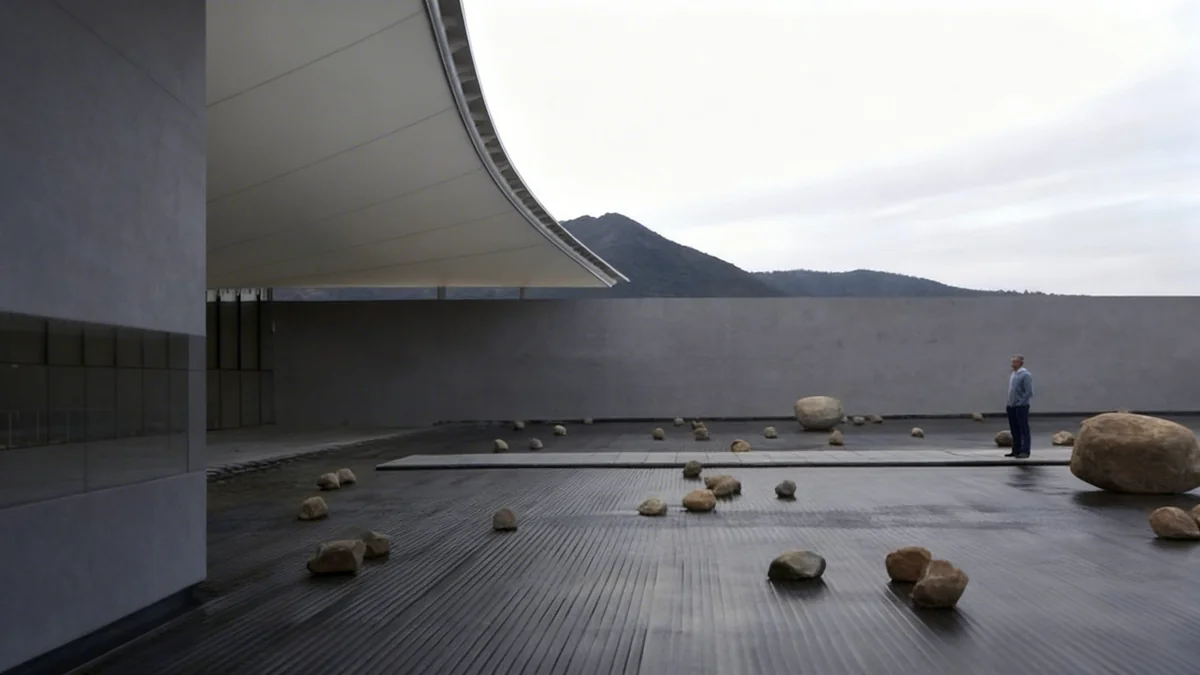
Planetary Landmark by Office for Political Innovation
Also from Spain, the Office for Political Innovation offers a more conceptual approach with its Planetary Landmark for the Climate Age. Rather than a traditional monument, their design proposes a "working section through the world," a place where the climate can be sensed, understood, and actively reshaped through collective effort.
Next Steps and Final Decision
The five finalist teams have been refining their designs since November 2025. An international jury, composed of experts from architecture, sustainability, science, and the arts, is now evaluating the detailed proposals. Members include Aric Chen, Director of the Nieuwe Instituut, and actor and activist Carice van Houten.
The winning design is scheduled to be announced in the spring of 2026. Following the selection, the chosen architectural team will enter a participatory process, incorporating feedback and input from local Rotterdam communities to ensure the final landmark is deeply connected to the city it will serve.