A recent White House social media video has drawn strong condemnation from pop star Sabrina Carpenter. The video, which featured Immigration and Customs Enforcement (ICE) agents, used Carpenter's song "Juno" in its soundtrack, prompting her to label the content as "evil and disgusting."
The incident highlights a recurring issue where government entities face criticism for using popular artists' intellectual property without consent, especially when the content conflicts with the artists' expressed values.
Key Takeaways
- Sabrina Carpenter condemned the White House for using her song "Juno" in an ICE video.
- She called the video "evil and disgusting" and demanded her music not be used for "inhumane agendas."
- This is not the first time government administrations have faced backlash from artists over unauthorized music use.
- Another incident involved the use of Franklin the Turtle in a meme supporting military actions.
Sabrina Carpenter Reacts to ICE Video
The controversial video was posted by the White House on social media. It depicted ICE agents engaged in operations, including scenes of individuals being chased and handcuffed. The video was set to Sabrina Carpenter's song "Juno," specifically highlighting lyrics such as, "Wanna try out some freaky positions? Have you ever tried this one?" juxtaposed with images of people in handcuffs.
Carpenter quickly responded to the video on social media. She stated unequivocally,
"This video is evil and disgusting. Do not ever involve me or my music to benefit your inhumane agenda."Her strong reaction gained significant attention, underscoring the tension between artists and political messaging.
Fast Fact
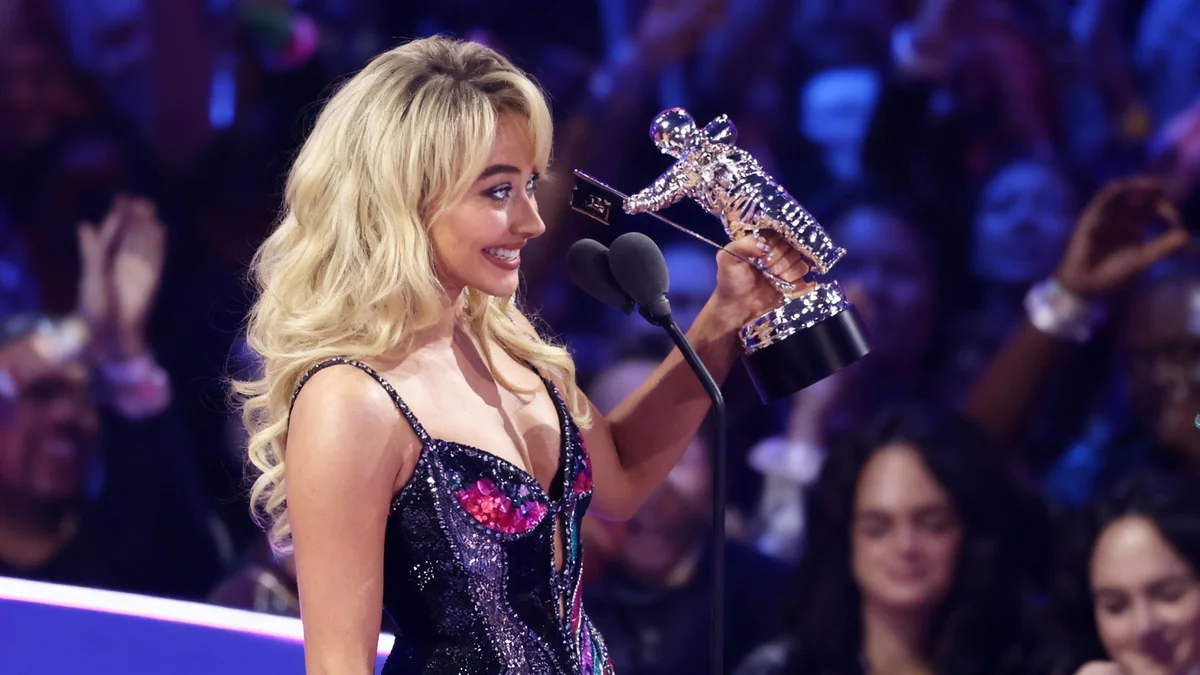
Sabrina Carpenter recently won the Best Album award for "Short n' Sweet" at the 2025 MTV Video Music Awards, cementing her status as a prominent figure in pop music.
Previous Incidents of Unauthorized Media Use
This is not an isolated event. The use of popular music and intellectual property by government administrations without artists' permission has been a source of repeated controversy. Several high-profile artists have previously pushed back against the unauthorized use of their work in political or governmental campaigns.
Artists like Olivia Rodrigo, Kenny Loggins, Taylor Swift, comedian Theo Von, MGMT, and Nintendo have all raised concerns in the past. In some cases, videos featuring their music have been removed entirely or had their audio tracks stripped. However, some instances of unauthorized use have persisted on government social media accounts.
Understanding Intellectual Property
Intellectual property rights protect creators' original works, including music, literary works, and artistic designs. Unauthorized use can lead to legal disputes and public relations challenges for organizations that disregard these rights.
Franklin the Turtle Controversy
Another recent incident involved the beloved Canadian cartoon character, Franklin the Turtle. The Secretary of Defense, Pete Hegseth, used an image of Franklin in a meme. This meme was created to support the administration's attacks on alleged drug boats in the Pacific Ocean and Caribbean Sea.
Kids Can Press, the publisher of Franklin the Turtle, issued a strong statement condemning the use of their character. They emphasized Franklin's core values.
"Franklin the turtle is a beloved Canadian icon who has inspired generations of children and stands for kindness, empathy and inclusivity," Kids Can Press stated. "We strongly condemn any denigrating, violent or unauthorized use of Franklin's name or image, which directly contradicts these values."
This incident further illustrates the broader pattern of intellectual property disputes involving governmental bodies and popular cultural figures.
Impact on Artists and Public Perception
The repeated unauthorized use of artistic works by government agencies can have several impacts. For artists, it can feel like a violation of their creative integrity and a forced association with political agendas they do not support. This can damage their public image or alienate parts of their fanbase.
For the public, such incidents can raise questions about respect for intellectual property rights and the ethical use of cultural content in official communications. It also highlights the power dynamics between individual artists and large governmental institutions.
Artists often use their platforms to advocate for causes they believe in. When their work is co-opted for purposes that contradict those beliefs, it creates a significant conflict. The strong language used by Sabrina Carpenter reflects the depth of feeling many artists have regarding the control over their creative output.
Legal and Ethical Considerations
From a legal standpoint, the unauthorized use of copyrighted music or characters can lead to infringement claims. Copyright law protects artists' rights to control how their work is used, reproduced, and distributed. While fair use exceptions exist, political or promotional use by government entities often falls outside these exceptions.
Ethically, using an artist's work to promote a message without their consent can be seen as exploitative. It leverages the artist's popularity and cultural resonance for an agenda that may be entirely separate from, or even opposed to, the artist's own views. These incidents serve as reminders of the ongoing challenges in navigating intellectual property in the digital age, especially when government entities are involved.