Bruce Springsteen's recent tour announcement and his critical comments about the current administration have ignited a sharp exchange with the White House. The musician, known for his politically charged lyrics and outspoken views, outlined his upcoming North American tour with a strong message aimed at what he described as an attack on American democracy.
This public disagreement marks a new chapter in the ongoing tension between the rock icon and the political establishment, drawing significant attention from both his fanbase and political observers.
Key Takeaways
- Bruce Springsteen announced his North American tour, framing it as a defense of American democracy.
- The White House responded with sharp criticism, using puns related to Springsteen's song titles.
- This exchange continues a history of public disagreements between Springsteen and the administration.
- Springsteen previously released a song and an EP with critical political themes.
Springsteen's "Land of Hope and Dreams" Tour Message
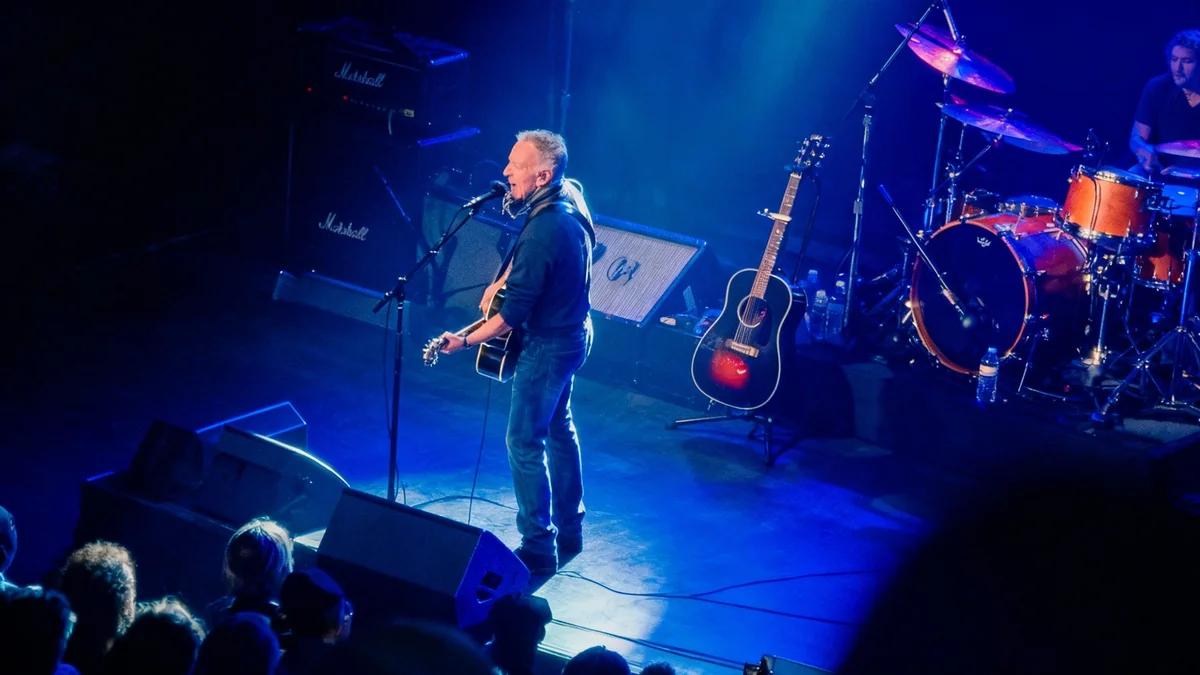
Bruce Springsteen revealed the schedule for his "Land of Hope and Dreams" tour, stating that he and the E Street Band would be "rocking your town in celebration and in defense of America." He emphasized the tour's purpose as a stand for American democracy, freedom, the Constitution, and the "sacred American dream."
Springsteen explicitly stated these values are "under attack by our wannabe king and his rogue government in Washington D.C." This declaration set a clear political tone for the tour, signaling that his performances would carry a message beyond just music.
Fact Check
Springsteen's tour includes stops across North America, bringing his message directly to audiences in various states, including Pennsylvania.
White House Responds with Strong Words
Following Springsteen's announcement and his pointed remarks, the White House issued a strong rebuttal. Steven Cheung, a senior communications director for the White House, did not hold back in his official statement.
"When this loser Springsteen comes back home to his own City of Ruins in his head, he’ll realize his Glory Days are behind him and his fans have left him Out in the Street, putting him in a Tenth Avenue Freeze-Out because he has a severe case of Trump Derangement Syndrome that has rotted his brain."
The statement utilized several puns based on Springsteen's well-known song titles, including "City of Ruins," "Glory Days," "Out in the Street," and "Tenth Avenue Freeze-Out." This response highlights the deep animosity between the two parties.
Background on the Disagreement
The tension between Bruce Springsteen and the administration has been ongoing for several years. Springsteen has consistently used his platform to voice opposition, while the administration has frequently responded with similar directness.
Previous Criticisms and Musical Releases
Springsteen's recent tour announcement is not an isolated incident. In January, he released the song "Streets of Minneapolis," which directly addresses political themes, including references to ICE and "King Trump’s private army from the DHS." This track further solidified his stance against the administration's policies.
Last year, Springsteen also made headlines for speaking out against the administration during a concert in Manchester, England. He released a surprise EP containing six tracks recorded during that performance. Four of these tracks were songs, while two were speeches he delivered to the audience about the political climate in the United States.
Springsteen's European Stage Remarks
During his Manchester show, Springsteen addressed the crowd directly, stating, "Welcome to the Land of Hope and Dreams Tour. The mighty E Street Band is here tonight to call upon the righteous power of art, of music, of rock and roll in dangerous times."
He continued with a powerful critique of American politics:
"In my home, the America I love, the America I’ve written about, that has been a beacon of hope and liberty for 250 years, is currently in the hands of a corrupt, incompetent and treasonous administration. Tonight, we ask all who believe in democracy and the best of our American experience to rise with us, raise your voices against authoritarianism and let freedom ring."
These remarks from a foreign stage drew a swift response from the former President.
Former President's Social Media Retaliation
The former President used his social media platform to criticize Springsteen, accusing him of speaking "badly about President of the United States" from a "Foreign Country." He described Springsteen as "Highly Overrated" and stated, "Never liked him, never liked his music, or his Radical Left Politics and, importantly, he’s not a talented guy — Just a push, obnoxious JERK."
The former President also linked Springsteen's support to a political rival, calling him "dumb as a rock" for not understanding the political landscape. He concluded with a warning: "This dried out ‘prune’ of a rocker (his skin is all atrophied!) ought to KEEP HIS MOUTH SHUT until he gets back into the Country, that’s just ‘standard fare.’ Then we’ll all see how it goes for him!"
Springsteen Undeterred by Criticism
Despite the strong reactions, Springsteen remained steadfast in his views. Days after the former President's social media posts, he again spoke out during another concert, emphasizing the critical nature of current events.
"Things are happening right now that are altering the very nature of our country’s democracy, and they are too important to ignore."
He highlighted several issues he perceived as critical, including the persecution of people for free speech, the abandonment of impoverished children, and the mistreatment of American workers. He also mentioned the removal of residents without due process and the deployment of individuals to foreign detention centers. Springsteen concluded by stating that elected representatives had "utterly failed to protect the American people from the abuses of an unfit president and a rogue government."
Calls for Investigation and Ongoing Conflict
The former President later called for a "major investigation" into several prominent figures, including Springsteen, Beyoncé, Oprah, Bono, and Kamala Harris. He questioned the financial arrangements for their support during a political campaign, suggesting they amounted to "illegal campaign contributions."
He alleged that candidates were not allowed to pay for endorsements and that these payments were a "very expensive and desperate effort to artificially build up her sparse crowds." He labeled these actions as "corrupt & unlawful."
While an investigation does not appear to have materialized, the public animosity between Springsteen and the former administration continues. This ongoing conflict underscores the intersection of music, celebrity, and political discourse in contemporary American society.