Bruce Springsteen made a surprise appearance alongside Tom Morello at a benefit concert in Minneapolis, amplifying a message of protest and solidarity. The event, held at the iconic First Avenue venue, focused on resistance against federal immigration policies and supported the families of Renee Good and Alex Pretti, who were killed by federal agents.
The concert served as a powerful prelude to a larger protest scheduled just blocks away, unifying attendees under the banner of "a concert of solidarity & resistance to defend Minnesota." The atmosphere was charged with fervent chants and a palpable sense of shared purpose even before the music began.
Key Takeaways
- Bruce Springsteen joined Tom Morello for a surprise performance at First Avenue in Minneapolis.
- The concert served as a benefit for the families of Renee Good and Alex Pretti.
- Springsteen performed his new protest song, "Streets of Minneapolis," publicly for the first time.
- The event highlighted themes of protest and resistance against federal immigration actions.
- Musicians and attendees expressed strong opposition to federal immigration policies.
A Surprise Appearance by The Boss
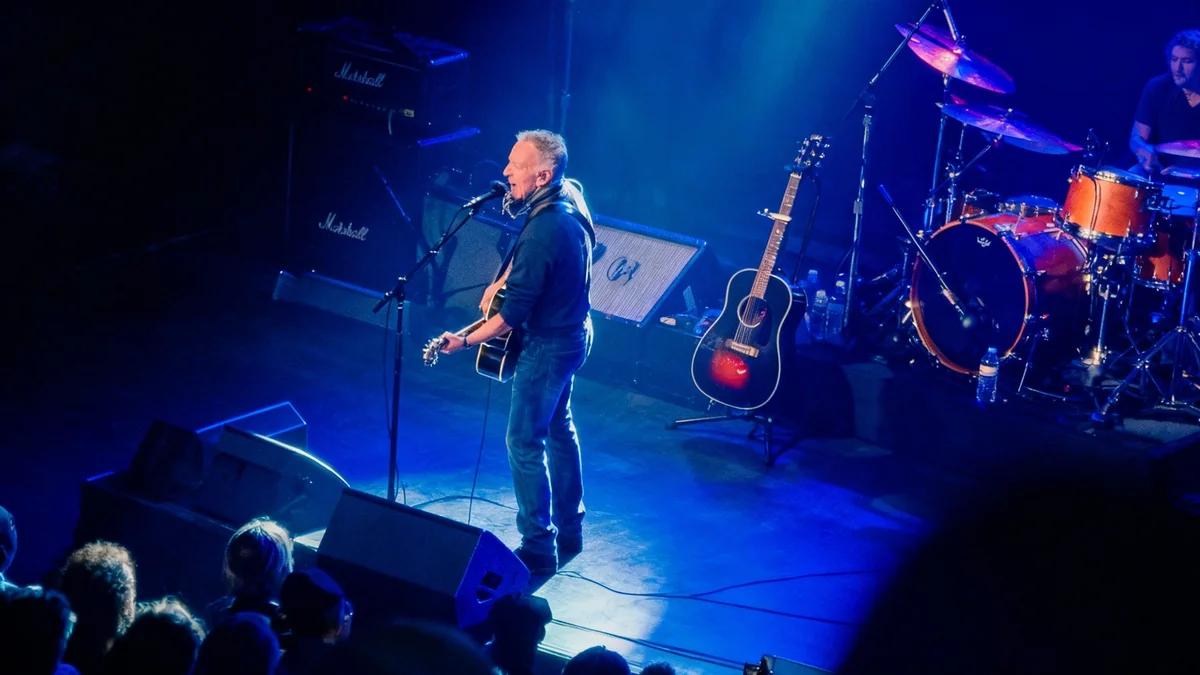
The crowd erupted when Tom Morello announced his special guest: Bruce Springsteen. Just two days after releasing his protest song, "Streets of Minneapolis," Springsteen took the stage alone in the venue made famous by Prince. He spoke about the song's quick creation and release before its public debut.
"So I write this song, and I recorded it the next day, and I sent it to Tom Morello," Springsteen shared with the audience. "Now I know Tom is an excitable man. I say, 'Tom, what do you think? It's kind of soapbox-y.' And he says, 'Bruce, nuance is wonderful, but sometimes, you have to kick them in the teeth.'"
Springsteen dedicated his performance to "the people of Minneapolis, the people of Minnesota, and the people of our good country of the United States of America." His solo acoustic rendition of the song was stripped-back, emphasizing the raw emotion and the truth of the moment.
Quick Fact
Bruce Springsteen's song "Streets of Minneapolis" directly references the killings of Renee Good and Alex Pretti by federal immigration agents under the previous administration.
As he sang the names "Alex Pretti and Renee Good," the crowd responded with emphatic cheers. The song concluded with Springsteen leading a chant of "ICE out now!" This spontaneous moment underscored the deep feelings of solidarity and resistance present in the room.
Morello's Fiery Rhetoric and Union Anthems
Before Springsteen's appearance, Tom Morello delivered a powerful set filled with union anthems and Woody Guthrie classics. His performance was punctuated by fiery rhetoric that resonated deeply with the audience. Morello framed the event as a battle for justice and democracy.
"Brothers and sisters, thank you for welcoming us to the battle of Minneapolis," Morello opened his set. "Minneapolis is an inspiration to the entire nation. You have heroically stood up against ICE, stood up against Trump, stood up against this terrible rising tide of state terror. You have stood up for your neighbors and for yourselves and for democracy and for justice. Ain't nobody comin' to save us except us, and brothers and sisters, you are showing the way."
Morello's set included a memorable performance of "Killing in the Name," a song that brought the crowd to a fever pitch, screaming the iconic line "fuck you, I won't do what you tell me." This moment, prior to Springsteen's reveal, was one of the most ecstatic of the afternoon, providing an outlet for the crowd's collective rage.
Concert Background
The concert aimed to raise awareness and funds for the families of Renee Good and Alex Pretti, two individuals whose deaths at the hands of federal immigration agents sparked widespread outrage and galvanized local activism in Minneapolis.
He openly challenged claims from the previous administration regarding "outside agitators" in Minneapolis. Morello embraced the label, confirming his role in stirring up what he called "a shit-ton of trouble."
Collaborations and a Unified Message
Following Springsteen's solo performance, he and Morello joined forces for a powerful rendition of 1995's "The Ghost of Tom Joad." The two musicians traded verses and guitar solos, a collaboration they have performed together many times before. During one solo, Morello lifted his guitar to reveal the words "arrest the president," a clear political statement that drew a smile and laugh from Springsteen.
The concert culminated in a group performance of John Lennon's "Power to the People," featuring all the musicians who had graced the stage earlier. This included members of Rise Against, Al Di Meola, and Ike Reilly. Morello declared it the "greatest brunch-hour concert in history" before the house speakers blasted Prince's "Let's Go Crazy" as the musicians smiled onstage.
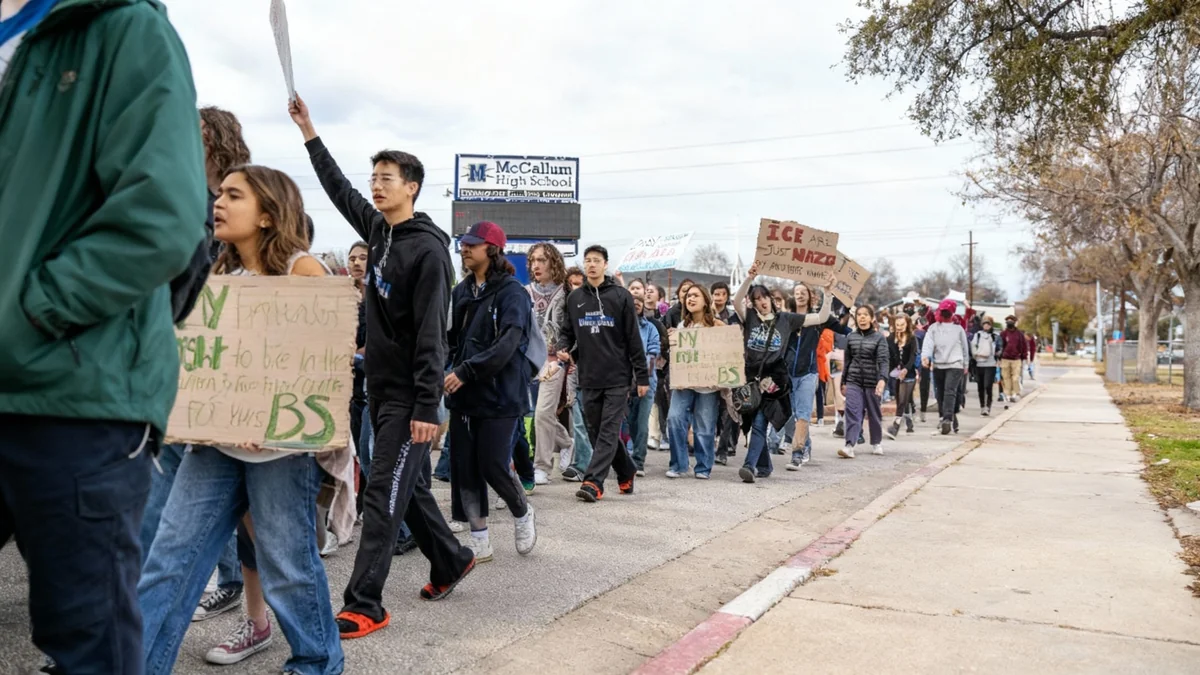
The event wrapped up shortly after 2 p.m., but the spirit of resistance continued. Morello himself joined the protest on the streets of Minneapolis later that day. Even before the musicians left the venue, an audience member called out to the freezing crowd outside, urging them to follow him to the protest, and a significant number did. This demonstrated the powerful impact the concert had on galvanizing direct action.
The Power of Music in Protest
The concert at First Avenue was more than just a musical event; it was a demonstration of how art can serve as a catalyst for social and political change. The direct lyrics of Springsteen's new song, combined with Morello's impassioned speeches and the collective energy of the crowd, created a potent message.
- Tom Morello's Setlist Highlights:
- "Killing in the Name"
- "Soldier in the Army of Love"
- "This Land is Your Land" (with Rise Against, Al Di Meola, and Ike Reilly)
The event showcased the unique ability of musicians to articulate public sentiment and mobilize communities. The focus on local issues, such as the deaths of Good and Pretti, brought a deeply personal dimension to the broader national conversation about immigration policies.
The unity displayed by the artists and the audience underscores a growing sentiment of resistance. Music continues to be a powerful tool for expression and solidarity in the face of perceived injustices, echoing historical movements where artists stood at the forefront of social change.