


Dallas City Hall faces an uncertain future as city leaders and urban planners debate whether to renovate the existing I.M. Pei-designed building or relocate city operations to make way for a major downtown redevelopment. This discussion involves significant financial implications and could reshape the city's urban core for decades to come.
Key Takeaways
- Dallas City Hall, a 47-year-old building, requires extensive and costly renovations, estimated between $343 million and $595 million over ten years.
- Proponents of relocation see an opportunity to redevelop a large, city-owned downtown site, potentially simplifying financing for new projects.
- A recent architects' report suggests alternative downtown sites for large-scale development, including a potential arena, without demolishing City Hall.
- Critics of the report argue it overlooks the operational challenges of the current building and the strategic value of the City Hall site for redevelopment.
- The Dallas City Council is awaiting a comprehensive assessment of the building and its surrounding properties before making a final decision.
The Renovation Versus Relocation Dilemma
The debate surrounding Dallas City Hall centers on two main paths: preserving the current structure through significant renovation or moving city operations to a new location. The existing I.M. Pei-designed building, now 47 years old, requires substantial upgrades. Experts estimate renovation costs could range from $343 million to $595 million over the next decade.
Former Mayor Ron Kirk, a strong advocate for relocation, emphasizes that the city should not be constrained by sentimental attachments to the building. Kirk highlighted the potential financial burden, stating,
“Don’t lock yourself into an emotional decision that says, ‘Oh, we can’t tear this building down.’ You could spend $400 million repairing an aging building and still lose the opportunity to keep downtown vibrant.”
City Hall at a Glance
- Age: 47 years old
- Estimated Renovation Cost: $343 million to $595 million over 10 years
- Architect: I.M. Pei
Architects Propose Alternative Development Sites
Adding a new dimension to the discussion, a group of 10 former presidents of the American Institute of Architects recently released a report. This report argues against demolishing City Hall. Instead, it proposes that Dallas pursue large-scale development on other underutilized downtown sites.
The architects identified several potential locations for major projects, including a new arena. These sites include the former Reunion Arena site, vacant parking lots situated behind City Hall, and approximately 30 acres near the Kay Bailey Hutchison Convention Center. The report's authors stated their focus was specifically on identifying alternative development opportunities that do not require sacrificing the existing City Hall building.
The Broader Vision for Downtown
The discussion about City Hall is part of a larger conversation about the future of downtown Dallas. City leaders are looking for ways to revitalize the urban core and its southern edge. This includes attracting new businesses, residents, and major entertainment venues. The decision on City Hall will significantly impact these long-term development goals.
Pushback From Relocation Supporters
Despite the architects' report, supporters of relocating City Hall remain unconvinced. They argue that the report does not fully address the significant operational and financial challenges of maintaining the current building. Furthermore, they believe it underestimates the unique advantages of the City Hall site itself.
Developer Ray Washburne described the current City Hall as
“a functionally obsolete building.”He believes the building's condition should be evaluated independently of any arena proposal. Washburne and others point out that the City Hall site is a large, contiguous, city-owned parcel. This characteristic could simplify financing and accelerate redevelopment efforts compared to other sites, some of which are privately owned or already have existing development plans.
Former Mayor Tom Leppert echoed these sentiments. He framed the debate as more than just about a single building, but rather about the overall future of downtown Dallas. Leppert also warned that renovation costs could easily exceed current estimates, a common occurrence with major public projects.
The Path Forward for Dallas City Hall
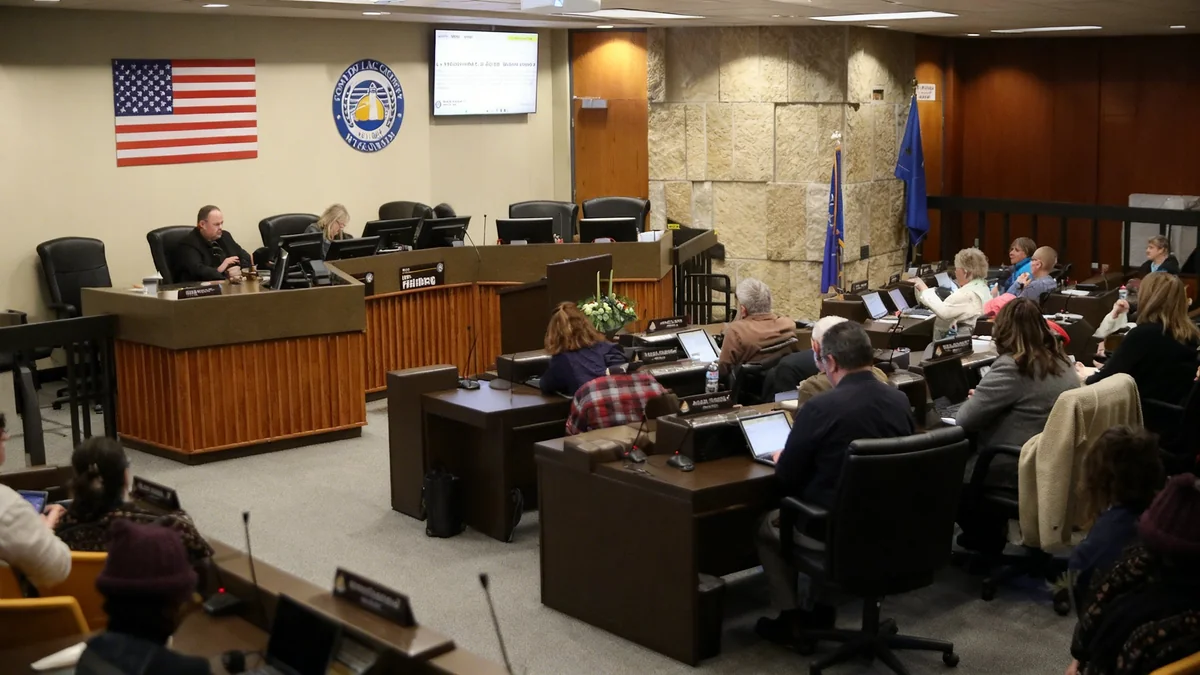
The Dallas City Council is currently in a fact-finding phase. In November, the Council directed City Manager Kimberly Bizor Tolbert to conduct a comprehensive assessment. This assessment includes evaluating the City Hall facility, its land, and surrounding properties.
The Dallas Economic Development Corporation is overseeing this critical assessment. A report is expected to be delivered to Tolbert by January 19. A public presentation of the findings is scheduled to occur before the council’s finance committee on February 23. This information will be crucial for council members as they weigh their options.
Council Member Paul Ridley, whose district encompasses downtown Dallas, views the architects' report as a strong rebuttal to claims that City Hall must be moved to stimulate development.
“What that report does is to undercut, if not destroy, the argument that we have to (move) City Hall to create more developable land, because there’s no demand for what we have already,”Ridley stated.
Upcoming Milestones
- January 19: Assessment report due to City Manager.
- February 23: Public presentation to City Council's finance committee.
Deputy Mayor Pro Tem Gay Donnell Willis is keeping an open mind, acknowledging the complexities. She noted that some of the alternative sites mentioned in the architects' report are either privately owned or already designated for other projects. The city aims to gather all necessary data before making a decision that will shape downtown Dallas for generations.
The debate continues to intensify. The final decision will impact not only public finances and land use but also the potential for any future sports or entertainment district in the city's heart.