The Natural History Museum in London has opened public voting for the Wildlife Photographer of the Year's People's Choice Award. This global competition, now in its 59th year, received over 60,000 entries from photographers worldwide. Jurors narrowed down the field to 100 images, and now 24 of these stunning photographs are vying for the public's favor.
Nature enthusiasts and photography fans have until March 18 to cast their votes. The exhibition featuring the top 100 images will remain on display at the Natural History Museum through July 12, offering a chance to see these captivating works up close.
Key Takeaways
- Public voting for the Wildlife Photographer of the Year People's Choice Award is open until March 18.
- 24 images are finalists for the People's Choice Award, selected from over 60,000 global entries.
- The full exhibition of 100 winning images is at London's Natural History Museum until July 12.
- Submissions for the 2026 competition open on December 4.
A Glimpse into the Natural World
The 24 images selected for the People's Choice Award showcase a remarkable diversity of wildlife and habitats. Each photograph tells a unique story, capturing moments of beauty, struggle, and resilience in the animal kingdom. These images come from various regions, highlighting both pristine wilderness and areas significantly altered by human presence.
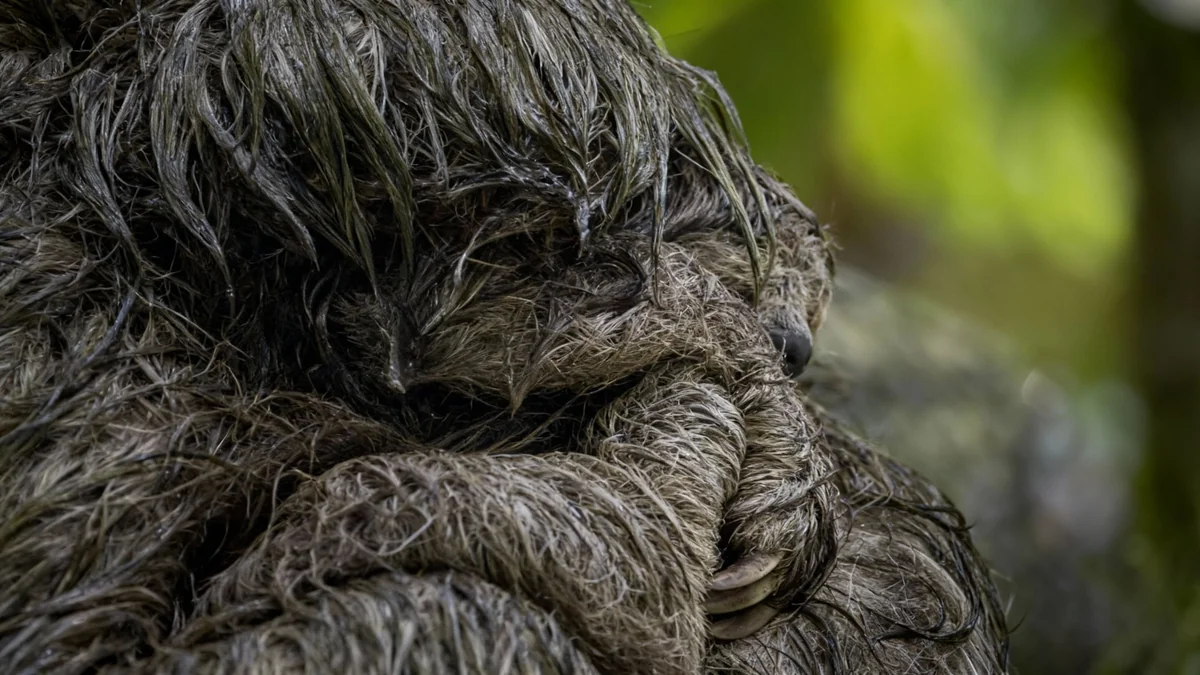
Among the contenders are heartwarming scenes, such as a baby sloth clinging tightly to its mother, titled "Hold Me Tightly" by Dvir Barkay. Another entry, "Family Rest" by Christopher Paetkau, shows polar bears enjoying a sunny day, offering a tranquil perspective on these majestic creatures.
"These photographs do more than just capture beauty; they serve as powerful reminders of the intricate lives unfolding across our planet," said a spokesperson for the competition. "Each image is a testament to the skill and dedication of the photographers, and the incredible diversity of wildlife that still thrives, often against challenging odds."
From Tiny Birds to Grand Predators
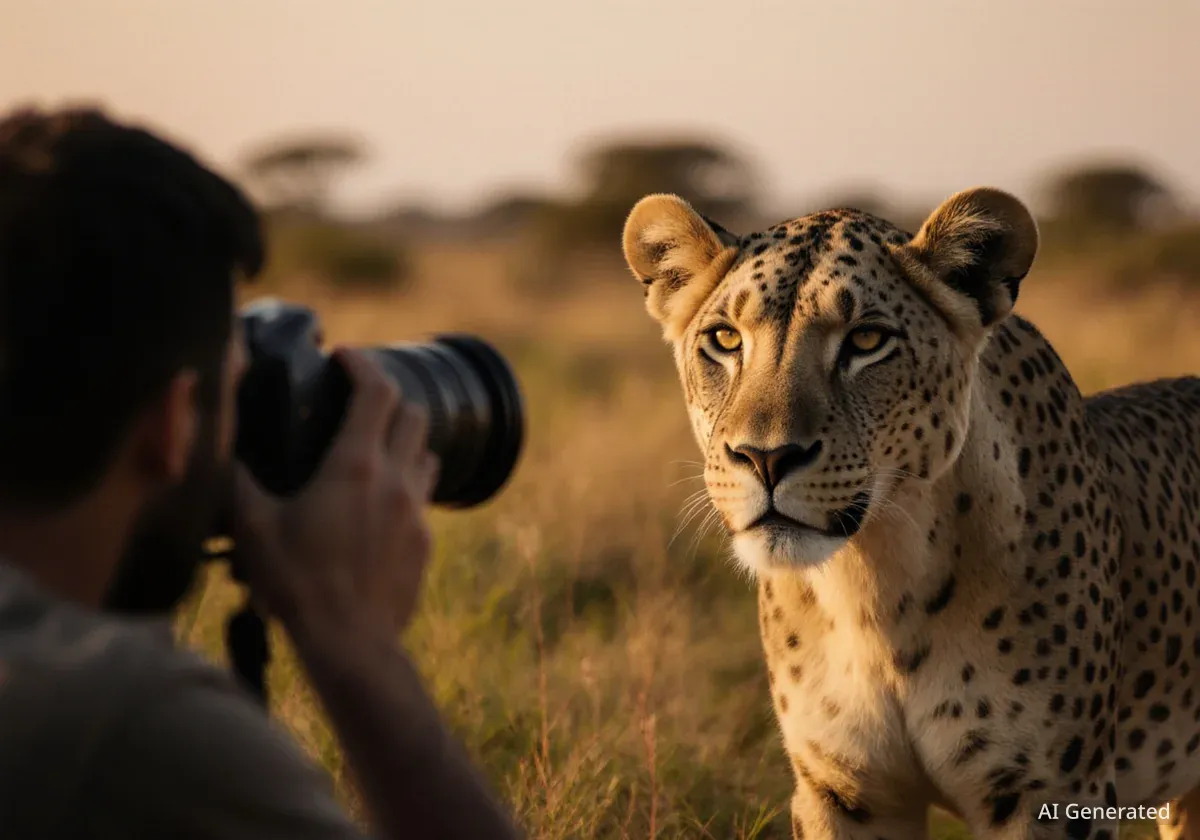
The collection features a wide range of subjects. "A Leap into Adulthood" by Peter Lindel depicts baby kestrels on the verge of taking their first flight, symbolizing growth and independence. In contrast, Joseph Ferraro's "Ready to Pounce" captures a more intense moment, showcasing the predatory instincts of a wild cat.
Smaller, often overlooked creatures also receive their due. Dustin Chen's "Marvellous Spatuletail" focuses on one of the world's rarest hummingbirds, known for its distinctive tail feathers, photographed in Colombia. This image underscores the delicate beauty found in even the smallest corners of nature.
Competition Facts
- Over 60,000 entries were submitted globally.
- Jurors selected 100 images for the main exhibition.
- 24 images are finalists for the People's Choice Award.
- Voting closes on March 18.
Stories of Connection and Survival
Many of the finalist photographs emphasize the strong bonds within animal families and communities. Lalith Ekanayake's "Bond in Motion" portrays a close interaction between two animals, highlighting their natural connection. Similarly, Ponlawat Thaipinnarong's "Beak-to-Beak" captures an intimate moment between two birds, showing their natural behaviors.
Beyond individual moments, some images also touch upon broader environmental themes. Alexandre Brisson's "Beauty Against the Beast" presents a striking visual contrast, perhaps hinting at the challenges faced by wildlife in a changing world. Lance van de Vyver's "A Fragile Future" directly addresses conservation concerns, prompting viewers to consider the vulnerability of natural habitats and species.
About the Competition
The Wildlife Photographer of the Year competition is developed and produced by the Natural History Museum, London. It is a prestigious event that celebrates the world's best nature photography and promotes understanding and appreciation of the natural world. The competition has been running for decades, attracting submissions from both amateur and professional photographers across the globe.
Engaging the Public
The People's Choice Award allows the public to become part of the judging process. This democratic approach ensures that photographs resonating most deeply with a broader audience receive special recognition. It encourages engagement with wildlife photography and the important stories these images tell.
For those inspired by the stunning entries, the competition also serves as a call to action. Photographers interested in participating in the next cycle can mark their calendars: submissions for the 2026 Wildlife Photographer of the Year contest will open on December 4. This provides ample time for aspiring and established photographers to capture their own unique moments in nature.
Visiting the Exhibition
The full exhibition of 100 images is a major attraction at the Natural History Museum. Visitors can experience the powerful narratives and visual artistry in person. The diverse collection covers everything from marine life to desert dwellers, offering a comprehensive look at global biodiversity.
The exhibition runs until July 12, providing several months for people to visit. It is an opportunity to witness the exceptional talent of wildlife photographers and gain a deeper appreciation for the beauty and complexity of the natural world.
The Power of a Single Image
Each photograph in the competition is more than just a picture; it is a snapshot of a moment, a piece of a larger story. Lior Berman's "A Fleeting Moment" perfectly encapsulates this idea, capturing a brief, unique interaction that might otherwise go unnoticed. These images remind us of the constant drama and quiet beauty unfolding in ecosystems around the globe.
The competition highlights the role of photography in conservation. By bringing these images to a global audience, the Wildlife Photographer of the Year helps raise awareness about environmental issues and inspires people to protect the planet's diverse species and habitats. The public vote further amplifies this message, making everyone a participant in celebrating wildlife.