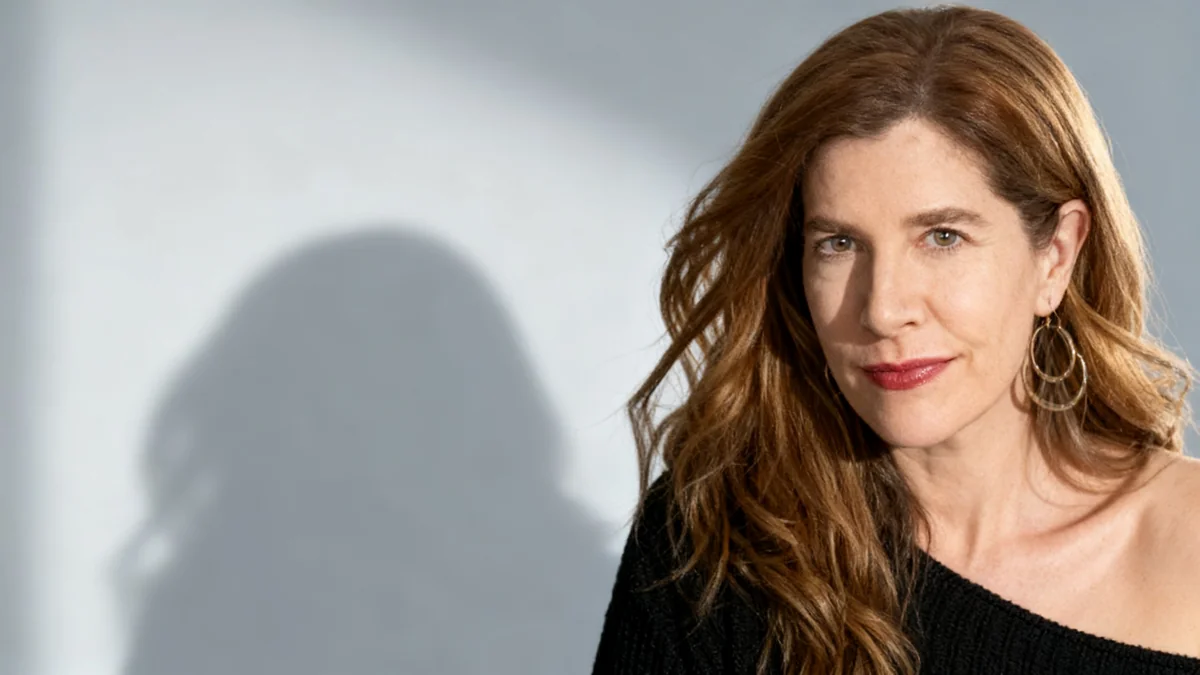

A new photography exhibition at the Los Angeles Center of Photography (LACP) is shining a light on the growing public health crisis of chronic loneliness in America. Titled “Reservoir: Photography, Loneliness and Well Being,” the exhibition features over 40 artists from diverse backgrounds, each exploring the profound impact of social disconnection through their unique visual narratives.
Key Takeaways
- Chronic loneliness is a serious public health concern, affecting 50% of Americans.
- The exhibition at LACP features over 40 artists exploring themes of loneliness.
- Loneliness increases the risk of heart attack, stroke, diabetes, and dementia.
- Creative expression, like photography, can help reduce stress and foster connection.
- The exhibition aims to spark conversations and offer a model for community engagement.
Understanding the Loneliness Crisis
Chronic loneliness has emerged as a significant concern, with recent studies indicating its widespread prevalence. Experts highlight its tangible and dangerous effects on physical and mental health. The exhibition curators felt a responsibility to address this pervasive issue through art.
Dr. Jeremy Nobel, a professor at the Harvard T.H. Chan School of Public Health, emphasizes the alarming statistics. According to Nobel, approximately 50% of Americans report feeling lonely often. A December 2025 study further revealed that loneliness is increasing, even after the pandemic. This trend is driving a change in behavior, leading to people disengaging from community activities, which further exacerbates isolation.
"Loneliness increases the risk of heart attack and stroke and general early mortality by up to 30%," says Dr. Jeremy Nobel. "Dementia risk goes up by 40%, diabetes risk goes up 35% from being chronically lonely. That’s increased the urgency to address it as a public health crisis."
Health Risks of Chronic Loneliness
- Increased risk of heart attack and stroke by up to 30%.
- 40% higher risk of dementia.
- 35% increased risk of diabetes.
It is important to distinguish between being alone and feeling lonely. Being alone, or solitude, can be a positive experience, fostering emotional growth and self-reflection. However, loneliness is a subjective feeling of lacking desired social connections. One can feel lonely even when surrounded by people, such as in a crowd or within a troubled relationship.
Art as a Mirror: Reflecting and Connecting
The LACP exhibition serves as a powerful platform for artists to explore the nuances of loneliness. Curated by LACP's executive director, Rotem Rozental, and developed in conversation with board chair Jennifer Pritchard, the project began to take shape in late 2024. Rozental felt that photography, as a medium, has a unique ability to foster connection.
"There’s something about photography that really brings people together around their vulnerabilities," Rozental explains. "Even if it just means you’re seeing, through an image, that someone else is experiencing what you’re experiencing."
Exhibition Development
The creation of "Reservoir" involved a collaborative process. Six established photographic mentors selected themes related to loneliness, such as "aging," "immigration," "technology and hyper-consumerism," and "the solo creative process." These mentors then invited other artists to create new works responding to these themes. Over nine months, groups of artists from six countries and seven time zones met monthly via Zoom, engaging with therapists and scholars to deepen their understanding of the topic.
Powerful Visual Narratives
Artist Lisa McCord's self-portrait is a striking example of the exhibition's intimate portrayals. The nearly five-foot-wide black-and-white image shows a woman in her early 20s in a hospital bed, restrained. McCord, now a Palm Springs-based artist, staged the photo to reflect her own experience after a psychotic episode in the 1970s. She describes that period as a "very lonely time," marked by societal stigma.
Another artist, Diane Meyer, sourced approximately 100 old black-and-white photographs from private collections. She then hand-painted them, using white paint to obscure most elements except for select figures. These individuals appear to float in isolated spaces, emphasizing disconnection. Her work includes images of two young boys on a seesaw, suspended in midair, and a man in the fetal position, seemingly sinking into a void of white paint.
In contrast, Jacque Rupp's multimedia installation examines technology and societal perceptions of aging women. After becoming a grandmother, Rupp used AI to generate images of "a grandmother in 2025." The result is a grid of hundreds of blank-faced women, their images morphing on a nearby monitor. This high-tech piece highlights the perceived invisibility of women as they age.
Julia Buteux's three-dimensional installation features transparent fabric panels hanging from the ceiling. She downloaded social media images, removed the people, and displayed only transparent imprints of their faces and upper bodies. This work speaks to the isolating nature of online social environments, showcasing the "absence of the user."
Asiya Al. Sharabi, a Yemeni American artist, presents large-scale, conceptual self-portraits. One double exposure depicts both the front and side of her face, addressing the duality and uncertainty of her identity as an immigrant woman. In another, her body appears transparent while sitting in a rocking chair, suggesting she "almost disappears within the domestic space."
Beyond the Exhibition: Fostering Connection
The "Reservoir" exhibition does more than just highlight the problem of loneliness. It aims to serve as a public health intervention. The LACP plans to host creative workshops, incorporating elements of the exhibition, to address loneliness and actively spark connection among participants. This approach is rooted in the belief that creative expression can have a profound impact on well-being.
Dr. Nobel supports this initiative, noting the therapeutic benefits of creative engagement. "Creative expression changes our brains," he explains. "It reduces levels of the stress hormone cortisol, it increases the levels of the feel-good hormones, so you’re less anxious about the world and in a better mood." This shift makes it easier for individuals to engage with others, fostering connection not only with other people but also with themselves.
The exhibition, which closes on March 14, is slated to travel internationally, with planned stops at the Museo Arte Al Límite in Chile, the Inside Out Centre for the Arts in South Africa, and the Karuizawa Foto Fest in Japan. The goal is to replicate the workshop model in community arts organizations globally, extending its reach and impact.
Rozental believes photography is an ideal medium for this global initiative. She describes it as "a language, a space for connection and communication." The hope is that visitors will see themselves reflected in the art, finding solace in shared experience. "Maybe their burden will ease a little bit by knowing that they might feel lonely, but they’re not alone," she concludes.