
The 2026 Pennsylvania Farm Show recently concluded, leaving behind its iconic 1,000-pound butter sculpture. This impressive work of art, however, will not simply be discarded. Instead, it is undergoing a unique recycling process, transforming into renewable energy to power homes and support sustainable farming practices.
The sculpture, titled "A Toast to Our Nation's 250th Anniversary: Inspired by Founders. Grown by Farmers," celebrated America's upcoming 250th milestone. Its deconstruction began Sunday at the Pennsylvania Farm Show Complex and Expo Center, marking the start of its journey toward becoming green energy.
Key Takeaways
- The 1,000-pound butter sculpture from the 2026 Pennsylvania Farm Show is being recycled.
- It will be converted into renewable energy using a methane digester at Reinford Farms.
- This process reduces waste and produces electricity for local homes.
- Reinford Farms diverts approximately 60,000 tons of food waste annually from landfills.
- The initiative highlights sustainable practices in agriculture.
From Art to Energy: The Recycling Process
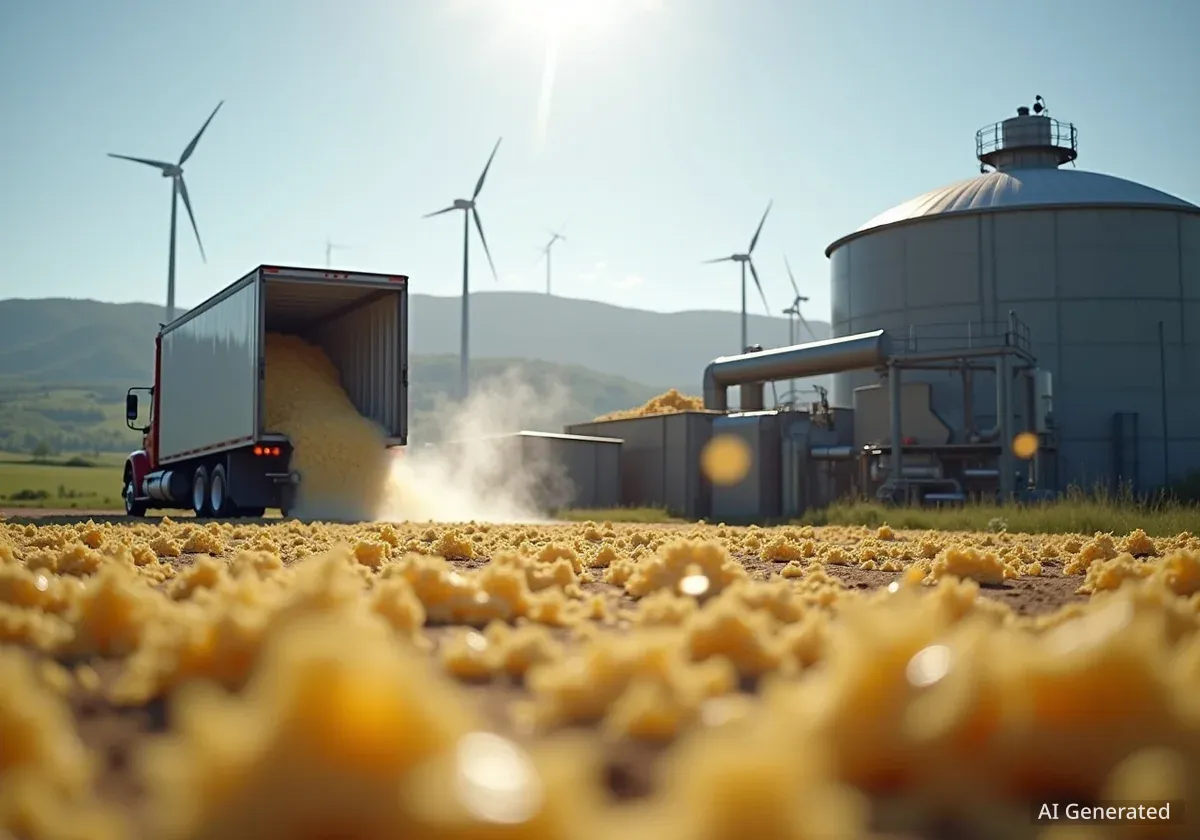
The massive butter sculpture, a highlight of the annual Farm Show, was transported to Reinford Farms in Mifflintown. Here, it will enter an anaerobic digester, a specialized system designed to break down organic materials and produce methane gas. This gas is then captured and used to generate electricity.
Brett Reinford, owner of Reinford Farms, emphasized the cyclical nature of this process. "It's the perfect example of a sustainable and cyclical operation," Reinford stated. "Our digesters provide an ideal solution for our farm and retailers to turn waste into energy."
Quick Fact
It takes approximately three to four hours to fully break down the butter sculpture in the anaerobic digester.
The conversion of the butter into methane is a crucial step. Once the methane is produced, the farm utilizes it to run generators that create renewable energy. This electricity is then fed into the local grid, providing power to homes in the surrounding area.
A Commitment to Sustainability at Reinford Farms
Reinford Farms is a leader in sustainable agriculture, extending its efforts far beyond just the butter sculpture. The 1,100-acre dairy farm actively works to reduce greenhouse gas emissions by diverting a significant amount of food waste from landfills each year.
The farm's two methane digesters play a vital role in this mission. They process not only the butter sculpture but also about 60,000 tons of other food waste annually. This large-scale waste diversion helps prevent harmful methane from entering the atmosphere from traditional landfills.
"Our digesters provide an ideal solution for our farm and retailers to turn waste into energy."
The farm also manages a herd of 650 cows, integrating their waste into the digester system, further enhancing its efficiency and environmental benefits. This holistic approach showcases a model for modern agricultural operations seeking to minimize their ecological footprint.
The History of the Butter Sculpture
The 2026 sculpture was the 35th such creation at the Pennsylvania Farm Show. These sculptures have become a beloved tradition, captivating visitors with their intricate designs and immense scale. Each year, the American Dairy Association North East and the Pennsylvania Dairy Promotion Program collaborate to bring these butter masterpieces to life.
Historical Context
The 2026 butter sculpture depicted Benjamin Franklin and the Founding Fathers celebrating the Declaration of Independence with a toast of milk, connecting the state's dairy heritage with a pivotal moment in American history.
The dismantling and recycling efforts are a joint venture, involving Reinford Farms and the Friendship Community 4-H Club of Dauphin County, alongside the dairy associations. This collaboration highlights a community-wide commitment to environmental responsibility and agricultural innovation.
Broader Impact of Waste-to-Energy Initiatives
The transformation of the butter sculpture into energy serves as a powerful symbol of broader efforts to manage waste more effectively and promote renewable energy sources. Such initiatives are crucial in addressing climate change and reducing reliance on fossil fuels.
Anaerobic digestion, the technology used at Reinford Farms, is gaining recognition as a valuable tool for converting organic waste into biogas. This biogas can then be used for electricity generation, heating, or even as vehicle fuel, offering multiple pathways for sustainable energy production.
- Reduced Landfill Waste: Diverting food waste prevents it from ending up in landfills, where it would produce methane, a potent greenhouse gas.
- Clean Energy Production: Biogas from digesters offers a renewable alternative to fossil fuels for electricity and heat.
- Nutrient-Rich Byproducts: The digestate remaining after the process can be used as a natural fertilizer, returning valuable nutrients to the soil.
The Pennsylvania Farm Show's decision to recycle its butter sculpture into energy underscores a growing trend among organizations and communities to adopt more environmentally friendly practices. It demonstrates that even a temporary work of art can contribute to a more sustainable future.
This innovative approach not only handles the byproduct of a popular cultural event but also educates the public on the potential of agricultural waste to become a valuable resource. It connects the dots between farming, art, and environmental stewardship in a tangible way.