
A significant painting by Pierre-Auguste Renoir, "The Henriot Family," is returning to public display at the Barnes Foundation. The artwork, which dates back to around 1875, underwent extensive conservation work to restore its original color palette, which had been obscured by an old varnish layer.
This restoration highlights the ongoing efforts to preserve art history and ensure that masterpieces can be experienced as their creators intended. The project was supported by a grant, enabling specialists to address decades of natural deterioration.
Key Takeaways
- "The Henriot Family" by Renoir is returning to the Barnes Foundation.
- The painting underwent conservation to remove yellowed varnish.
- Original blues and grays are now visible again.
- The Barnes Foundation holds the world's largest Renoir collection.
- Conservation efforts were funded by a Bank of America grant.
Restoring Impressionist Colors
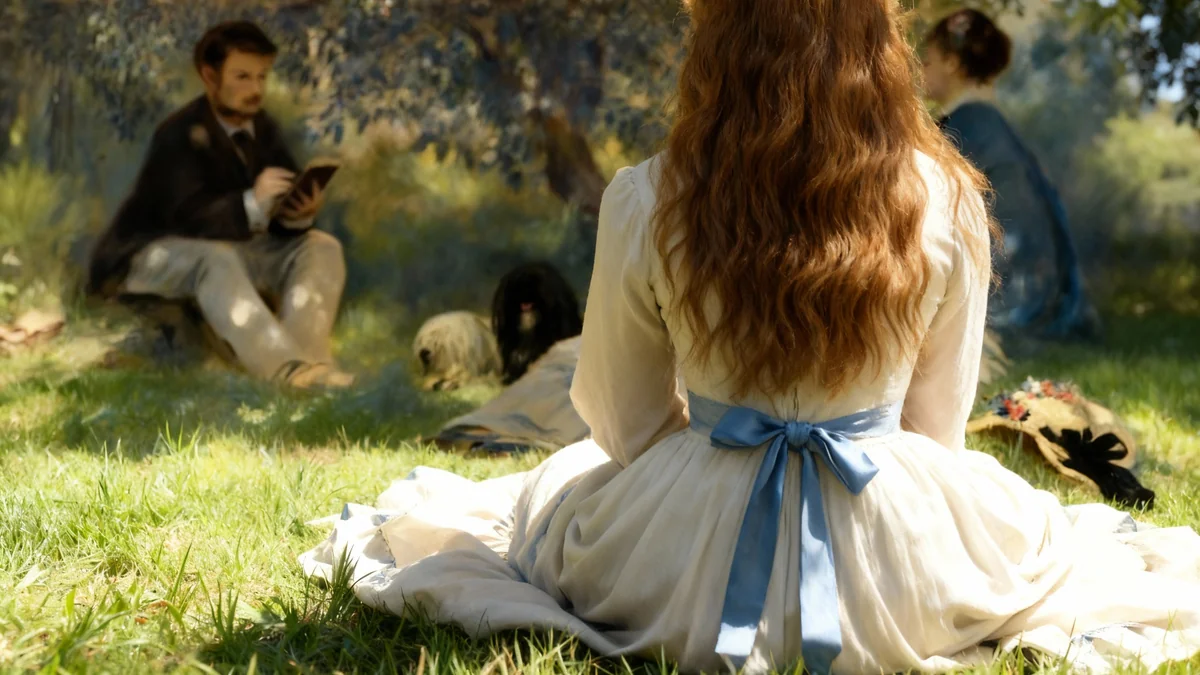
The painting, an oil on canvas, depicts three individuals and two dogs in a forest setting. The central figure is Henriette Henriot, a frequent model for Renoir. To her right, the painter's brother, Edmond Renoir, appears to be sketching. This work is one of 181 Renoir paintings collected by Albert C. Barnes, making the Barnes Foundation home to the world's largest collection of Renoir artworks.
The conservation process began in February 2025. For years, an old resin varnish had yellowed, altering the painting's original blues and grays into shades of yellow and green. This discoloration significantly changed the visual experience of the artwork. Conservators worked to meticulously remove this layer.
Painting Details
- Artist: Pierre-Auguste Renoir
- Title: The Henriot Family (La Famille Henriot)
- Year: c. 1875
- Medium: Oil on canvas
- Barnes Acquisition: 1935 for $50,000 (approximately $1.17 million today)
Beyond the color shift, the painting also showed signs of micro-flaking. This is a process where paint begins to separate from the canvas and the base layer. Associate conservator of paintings, Christie Romano, dedicated about 200 hours to studying the painting under a microscope. This detailed examination helped identify all problematic areas needing attention.
The Conservation Process
The primary goal of the conservation was to restore the painting's original vibrancy. The removal of the yellowed resin layer was a delicate operation, performed under high magnification. This process revealed the true blues and grays Renoir originally used.
Addressing the micro-flaking involved using calcium carbonate. This material helps to re-adhere the paint to the canvas, stabilizing the artwork for future generations. Such intricate work requires both scientific precision and artistic sensitivity to maintain the integrity of the masterpiece.
"Our goal is always to bring the artist's original vision back to life, removing layers that time and old restoration techniques have added," a conservation expert noted. "It's a painstaking process, but the results are incredibly rewarding."
The Barnes Foundation has a long history of caring for its extensive collection. This particular Renoir has been eyed for restoration for some time, given its prominent position above a doorway in the museum's main room. Its return ensures visitors can now appreciate its true aesthetic qualities.
Funding and Broader Impact
The conservation project received funding from Bank of America's Art Conservation Project. While the exact amount of the grant was not disclosed, the support is part of a larger initiative. The Barnes Foundation was one of 16 recipients worldwide for this funding.
Bank of America's Art Conservation Project
Over the past 16 years, Bank of America's Art Conservation Project has provided grants for approximately 275 conservation projects in 40 countries. This initiative supports cultural institutions globally, helping to preserve significant artworks and cultural heritage.
This is not the first time Bank of America has supported conservation efforts in Philadelphia. In 2019, the bank funded the restoration of "The Large Bathers" by Paul Cézanne at the Barnes Foundation. They also supported the restoration of "The Great Bathers" by Renoir at the Philadelphia Art Museum in previous years. These grants demonstrate a commitment to preserving important works of art for public enjoyment and study.
The return of "The Henriot Family" to the Barnes Foundation's walls in February marks a significant moment. Visitors will be able to see the painting with its colors looking as fresh as they did almost 150 years ago. This successful restoration underscores the importance of ongoing conservation work in the art world.
A Glimpse into Renoir's Vision
Renoir's work often captures moments of everyday life with a luminous quality. "The Henriot Family" is no exception. With the old varnish removed, the subtle interplay of light and shadow, the delicate brushstrokes, and the true hues of the subjects and their surroundings are once again apparent.
This restoration allows for a deeper appreciation of Renoir's technique and his mastery of impressionist painting. It offers a fresh perspective on a beloved piece within one of the world's most comprehensive collections of his work. The painting's reinstallation is a testament to the dedication of conservators and the support of cultural heritage initiatives.
- The painting's re-display offers a chance to study Renoir's original color choices.
- It highlights the subtle details previously obscured by discoloration.
- This project reinforces the value of ongoing art conservation.
The Barnes Foundation continues its mission to preserve and present its unique collection. The successful restoration of "The Henriot Family" ensures that this important work will continue to inspire and educate visitors for many years to come.