
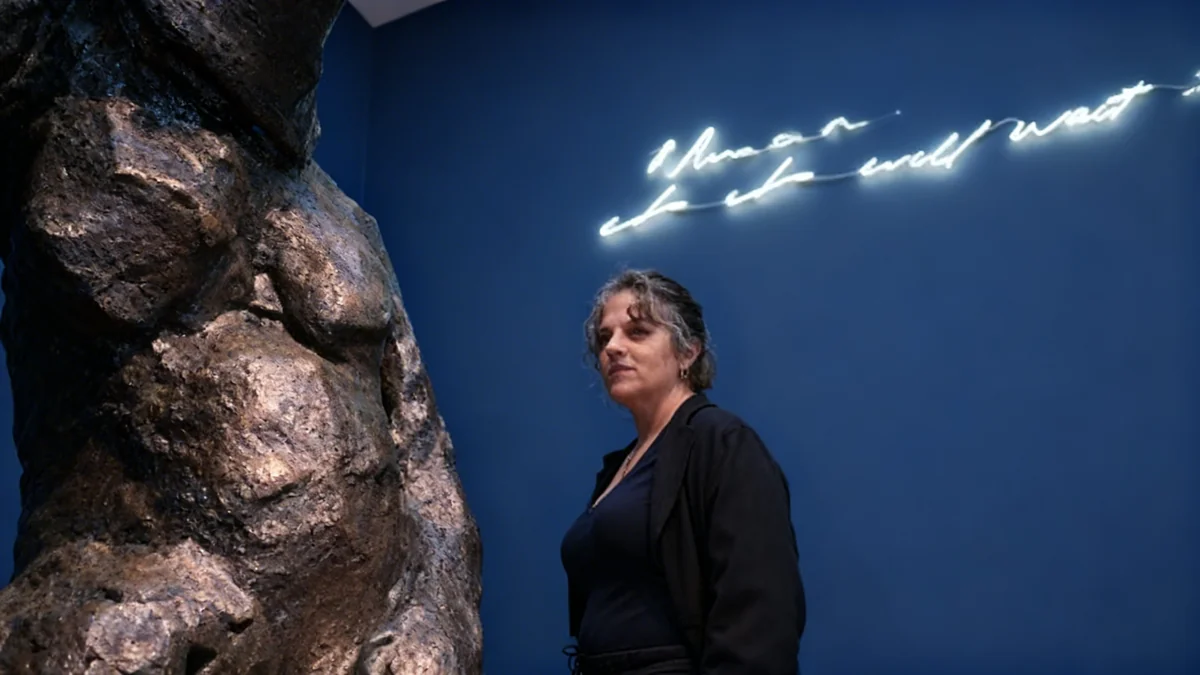

Artist Tracey Emin, 62, is presenting a major new retrospective titled "A Second Life" at Tate Modern in London. The exhibition, opening on February 27 and running until August 31, features over 90 works spanning four decades, including her iconic piece "My Bed." Emin describes this period as a profound transformation following a 2020 bladder cancer diagnosis and extensive surgery.
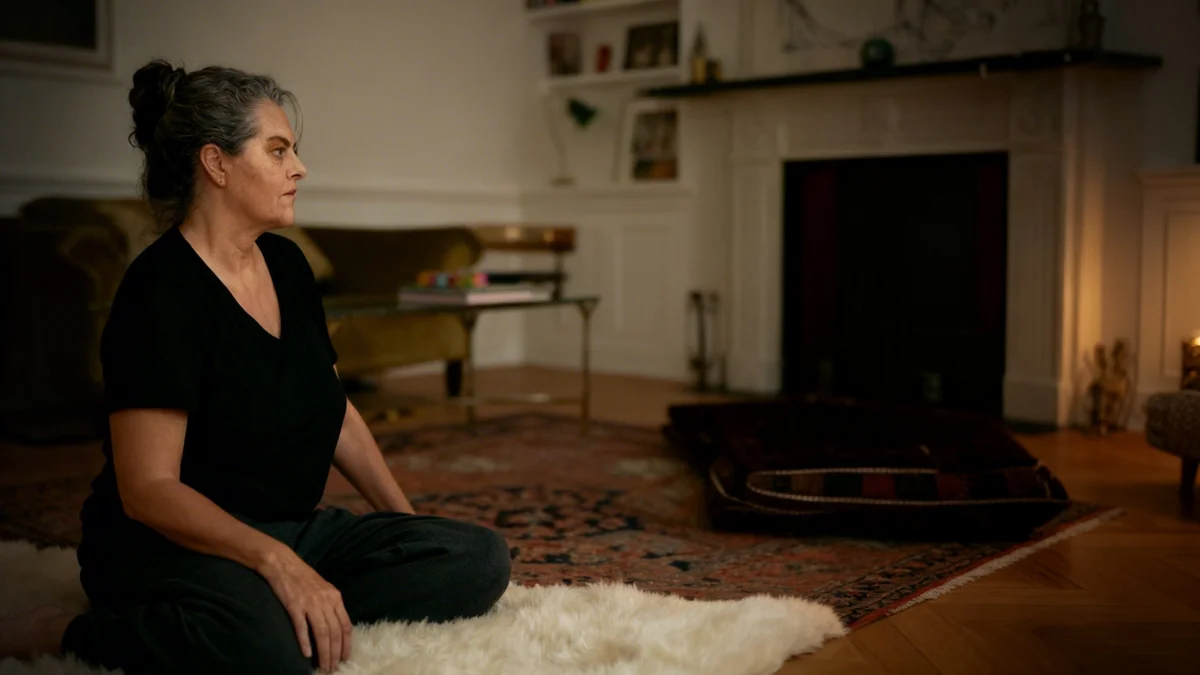
Emin's life has undergone significant changes since her cancer diagnosis. She now lives in a tranquil home in Margate, a stark contrast to the chaotic scene depicted in "My Bed." She openly shares that she is happier now than she used to be, finding new enjoyment in her life.
Key Takeaways
- Tracey Emin's major retrospective, "A Second Life," opens at Tate Modern.
- The exhibition covers four decades of her work, including "My Bed."
- Emin's life has transformed significantly after a bladder cancer diagnosis in 2020.
- She describes this period as her "second life," marked by increased happiness and productivity.
- The show addresses themes of trauma, women's rights, and the artist's post-illness body.
A Transformed Perspective on Life and Art
Emin's journey through illness has reshaped her artistic output and personal outlook. She stated, "I’ve done more in the last five years than I have done in my lifetime." This period of intense creativity also includes her work on a program providing free and subsidized studios for artists in Margate.
The title of the exhibition, "A Second Life," directly reflects Emin's personal experience. Maria Balshaw, director of the Tate museum group and curator of the retrospective, noted that despite Emin's widespread name recognition, a comprehensive career show has not been held in the U.K. for 15 years. This exhibition aims to introduce her full body of work to younger generations.
Exhibition Details
- Title: Tracey Emin: A Second Life
- Venue: Tate Modern, London
- Dates: February 27 – August 31
- Number of Works: Over 90
- Spans: Four decades of Emin's career
Exploring Autobiographical Themes
The retrospective highlights Emin’s consistent use of autobiographical themes across various mediums. Her work bravely confronts experiences of violence, the British class system, sexual and physical health, love, and loss. These deeply personal narratives are presented for the audience to see and feel.
Several pieces in the show address the topic of abortion, which Emin believes requires more open discussion. Works like her embroidered quilt "The Last of the Gold" (2002) and the video "How It Feels" (1996) directly engage with her own experiences. Balshaw emphasized the ongoing relevance of Emin's work, stating,
"Her work reminds us that issues around women’s rights, around their bodies and even their sexual and physical expressions, are still in great need of protection."
Impact of Illness on Artistic Expression
Emin's recent works often focus on her body post-illness. This includes close-up photographs of her stoma, a surgical opening in her abdomen. She aims for viewers to understand the reality of living with a stoma, describing it as a "live, visual thing" involving blood, skin, and membrane.
Living without a bladder presents daily challenges for Emin. She has experienced sepsis twice and deals with frequent infections, taking antibiotics for approximately eight months of the year. Every aspect of her life, from travel to social engagements, requires careful planning around her medical needs. She reflects on how her perspective shifted after realizing she would survive the surgery, stating,
"When I found out I wasn’t going to die after the surgery, I was a bit disappointed. I really thought it was going to happen, and it was like being jilted at the altar."
Emin's Public Image
Tracey Emin first gained widespread public attention with her 1998 conceptual work "My Bed," which depicted the aftermath of a personal breakdown. This piece, along with her outspoken nature, often placed her in the British tabloids. She has since been recognized by the establishment, receiving a damehood, an honor equivalent to a knighthood.
From Self-Destruction to Self-Acceptance
Emin acknowledges a past marked by self-destructive tendencies. She reveals a history of trying to "starve myself to death," "drink myself to death," or "smoke myself to death." Her bladder cancer diagnosis forced her to confront these behaviors. She stopped drinking five and a half years ago, a necessity given her condition.
The artist also shared that she fell deeply in love, which further cemented her commitment to sobriety. She explains that being in love, regardless of its outcome, has been a positive force. Emin's current life is driven by a different "why" and "where am I going," with a renewed emphasis and reason behind her actions, a stark contrast to her earlier "lost soul" phase.
Evolution of Practice: From Conceptual to Painting
While Emin made her name through highly personal, conceptual pieces like "My Bed," her primary focus now is painting. She describes painting as the "flag on the top of the mountain" after a challenging climb. This is a significant shift, as painting was once a struggle for her.
She now finds immense joy in the medium. Emin explains that her painting process is intuitive; she often does not know what she will create until the work is finished. For her, painting is not about technical perfection but about the necessity of its existence, why it "had to come out of me."
- Key change: Shift from conceptual art to primarily painting.
- "My Bed" perspective: Once shocking, now seen as having "grace and beauty."
- Exhibition travel: Will tour internationally, but not currently to the United States due to potential controversy.
Reflecting on Past Works and Future Hopes
The retrospective includes "My Bed," which Emin sees differently now. She notes that what was once shocking in the 1990s now possesses a "sort of grace and beauty." The context of its display also changes its perception; shown alongside Turner paintings in Margate, it appeared "tousled and sort of alive."
One notable absence from the exhibition is her breakout work, "Everyone I Have Ever Slept With 1963-1995," a tent embroidered with names, which was destroyed in a warehouse fire in 2004. Emin reflects that, morally, she might not create such a subjective work today, as it "freaked a lot of people out."
Despite her past public persona, Emin is not angry about how the press treated her. She attributes some of the harshness to the British class system. She views her damehood as a positive sign that the establishment has evolved, proving that respect can be earned regardless of background. As a trustee of the British Museum since 2023, she actively works towards its modernization.
Emin hopes visitors take two main messages from "A Second Life":
"One is that life isn’t easy, and the other one is that if it isn’t, just keep going, don’t stop."She believes the exhibition itself serves as evidence of this resilience.