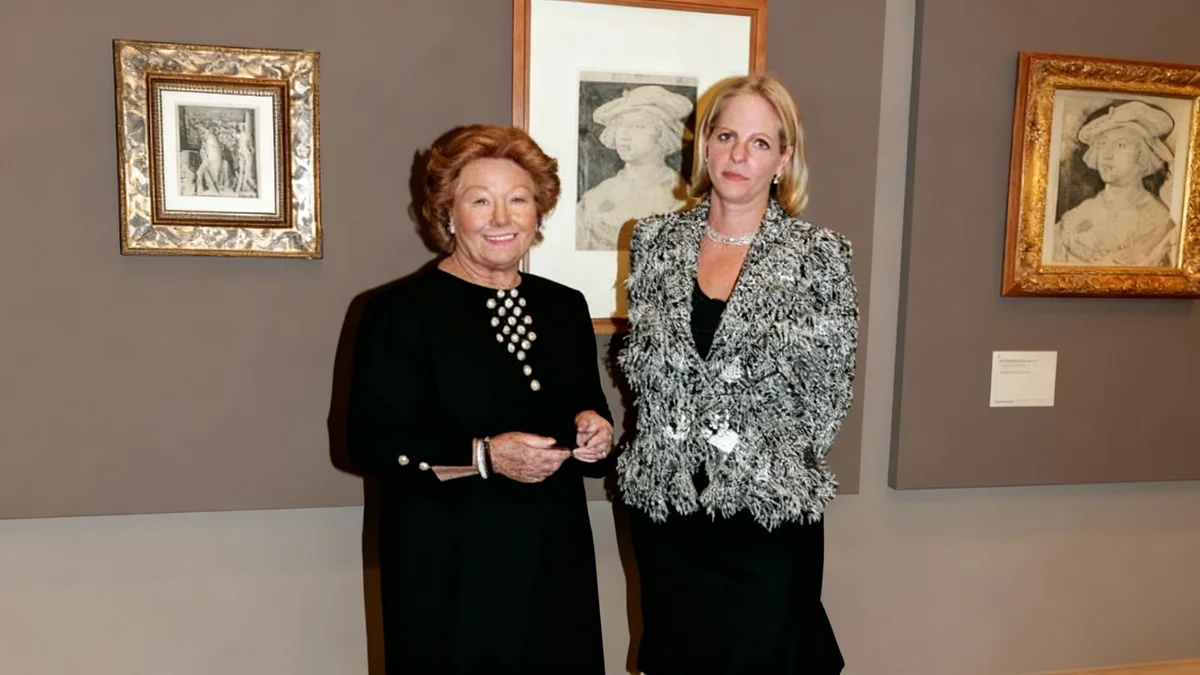

A significant legal dispute has emerged within the Rothschild banking family, focusing on a priceless art collection housed at the Chateau de Pregny in Switzerland. The conflict involves 93-year-old Baroness Nadine de Rothschild and her daughter-in-law, Ariane de Rothschild, over the future of the extensive collection of artworks and historical objects.
The collection, described by some visitors as a "mini Louvre," includes works by masters such as Goya, Rembrandt, Fragonard, El Greco, and Boucher, alongside valuable Louis XVI furniture. The ongoing lawsuits highlight a rare public disagreement for a family historically known for its discretion.
Key Takeaways
- Two generations of the Rothschild family are in a legal battle over a vast art collection.
- Baroness Nadine de Rothschild wants to create a new museum for the art.
- Baroness Ariane de Rothschild insists the collection should remain in the Chateau de Pregny.
- The collection includes works by Goya, Rembrandt, and Louis XVI furniture.
- Several lawsuits are ongoing, with both sides having seen some legal victories and losses.
The Heart of the Dispute: A Priceless Collection
The Chateau de Pregny, overlooking Lake Geneva, is home to the disputed collection. The exact contents remain private, reflecting the family's long-standing tradition of secrecy. However, reports suggest the collection is immensely valuable, featuring masterpieces that span centuries of European art history.
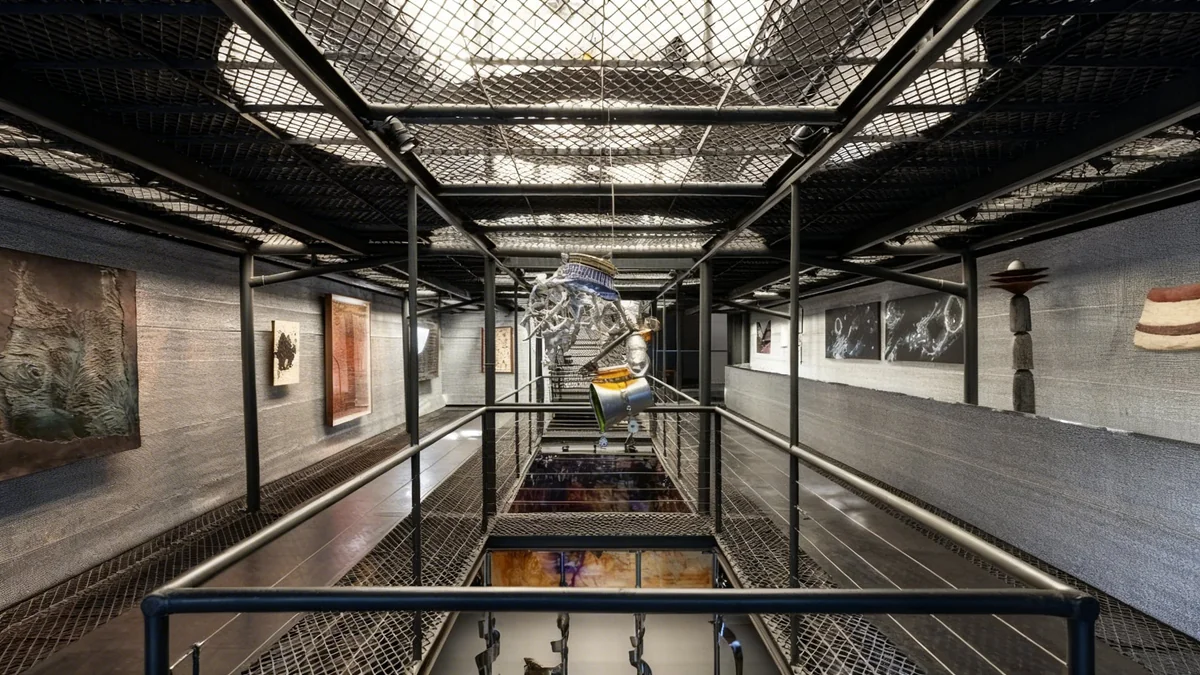
Baroness Nadine de Rothschild, widow of Edmond de Rothschild, claims her late husband bequeathed a substantial part of this collection to her. She intends to use these pieces to establish a new museum in Geneva, under the Edmond and Nadine de Rothschild Foundation.
Conversely, Ariane de Rothschild, widow of Nadine's son Benjamin, argues that the collection must stay together within the chateau. She maintains the integrity of the collection is paramount and that it should remain in its historical setting.
Collection Highlights
- Paintings by Goya, Rembrandt, Fragonard, El Greco, and Boucher.
- Exquisite Louis XVI furniture.
- Numerous priceless historical objects.
Clashing Visions for a Family Legacy
The legal battle has brought to light the differing perspectives on how the Rothschild legacy, particularly its artistic heritage, should be preserved and presented. Nadine, at 93, sees the creation of a public museum as a way to honor her husband's memory and make the collection accessible.
Ariane, on the other hand, emphasizes keeping the collection intact within the chateau, preserving its historical context. This difference in vision forms the core of the current legal actions.
In court documents, Ariane has drawn parallels between Nadine's situation and that of the late L'Oréal heiress Liliane Bettencourt, suggesting Nadine might be influenced by advisors. Nadine strongly refutes these claims.
"I knew Liliane and I can tell you she was absolutely not a woman you could make do anything she didn’t want. And neither am I under anyone’s influence. You can tell from my voice and answers that it would be hard to influence me," Nadine de Rothschild stated from her home in the Swiss countryside.
Nadine's Background and Family Relations
Born Nadine Lhopitalier, the elder baroness experienced a very different upbringing before marrying into the Rothschild family in 1963. She left home at 14, worked various jobs, including as an artist's model, and had a career in music halls and film under the stage name Nadine Tallier.
Her marriage to Edmond de Rothschild transformed her life. She oversaw their 14 properties and hosted many notable figures, including the Kennedys, Audrey Hepburn, and Princess Diana.
Nadine admits she was an "absent mother" to her son Benjamin, who was largely raised by nannies. Benjamin reportedly felt he was treated as an heir rather than a son. Despite this, Nadine states she welcomed Ariane into the family in 1999 and moved out of the 1,126 square meter Chateau de Pregny, allowing Benjamin, Ariane, and their four daughters to occupy the main residence.
A History of Discretion
The Rothschild family has maintained a strict code of silence regarding their vast wealth and properties for generations. This public dispute marks a rare departure from their long-standing tradition of private affairs.
Ongoing Legal Battles and Future Implications
The family dispute escalated after Benjamin's death in 2021, leading to what Nadine describes as "irreparable" relations between the two baronesses. She has since moved out of the estate and now lives outside Geneva.
Both sides have experienced mixed results in initial legal proceedings. Ariane's attempt to prevent Nadine from using Edmond's name for her foundation was unsuccessful. Conversely, Nadine has lost the legal right to enter the chateau.
The central lawsuit concerning the ownership of the artworks and other items is still ongoing. Representatives for Ariane contend that Nadine did not claim the artworks until after Benjamin's death, which is a key point in the current case.
Nadine de Rothschild expressed her resolve: "I inherited from my husband many objects that are in the Chateau de Pregny, but it has been impossible to recover them since my son’s death. That is why, sadly, I have been forced to take legal action."
She believes the younger generation may not want the burden of such a collection and hopes her granddaughters will eventually understand her actions are for the family's honor. The family's future approach to its vast heritage remains uncertain as the legal proceedings continue.
Timeline of Key Events
- 1963: Nadine Lhopitalier marries Edmond de Rothschild.
- 1997: Edmond de Rothschild passes away.
- 1999: Ariane marries Benjamin de Rothschild, son of Nadine and Edmond.
- 2021: Benjamin de Rothschild dies, intensifying family tensions.
- Ongoing: Multiple lawsuits concerning art ownership and foundation rights.
The Path Forward for the Rothschild Legacy
The Rothschild family, through a source, stated they are dealing with the matter "with the utmost restraint" and are committed to preserving their heritage. However, Nadine remains outspoken about her intentions.
The outcome of these legal battles will not only determine the fate of a significant art collection but also potentially reshape how one of the world's most prominent banking families manages its cultural assets for future generations. The public will be watching closely as these private family matters unfold in the courts.