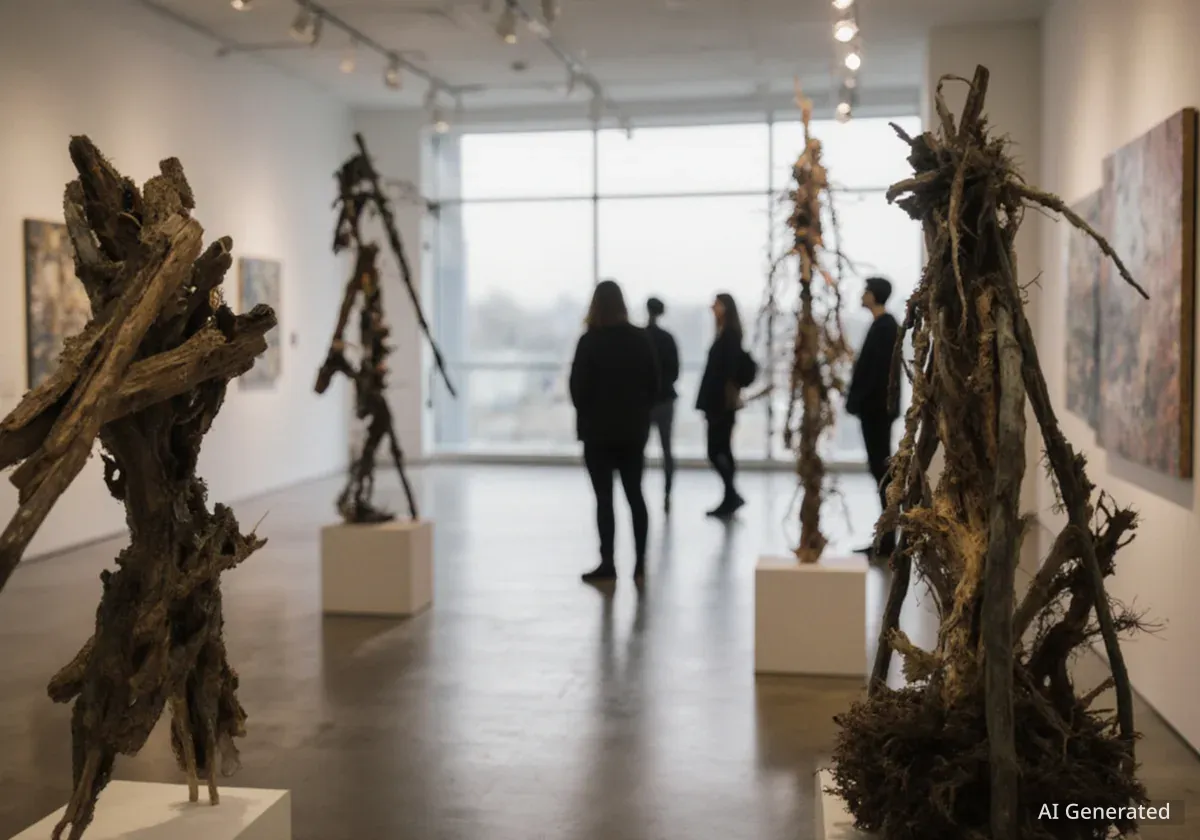
Art enthusiasts can anticipate a vibrant year in 2026, with several significant exhibitions scheduled across Europe. London's National Gallery and Tate Modern are set to host major retrospectives, focusing on both historical masters and contemporary figures. These shows promise to bring a diverse range of artistic styles and periods to the forefront, from the intricate details of early Netherlandish painting to the raw emotion of modern British art.
Key Takeaways
- London will host two major exhibitions: Jan van Eyck at the National Gallery and Tracey Emin at Tate Modern.
- Van Eyck's exhibition will highlight his revolutionary oil painting techniques and portraiture, including 'The Arnolfini Portrait'.
- Tracey Emin's retrospective at Tate Modern will feature her iconic, emotionally charged works.
- The year 2026 is shaping up to be an innovative period for art on the European continent.
Jan van Eyck Retrospective at the National Gallery
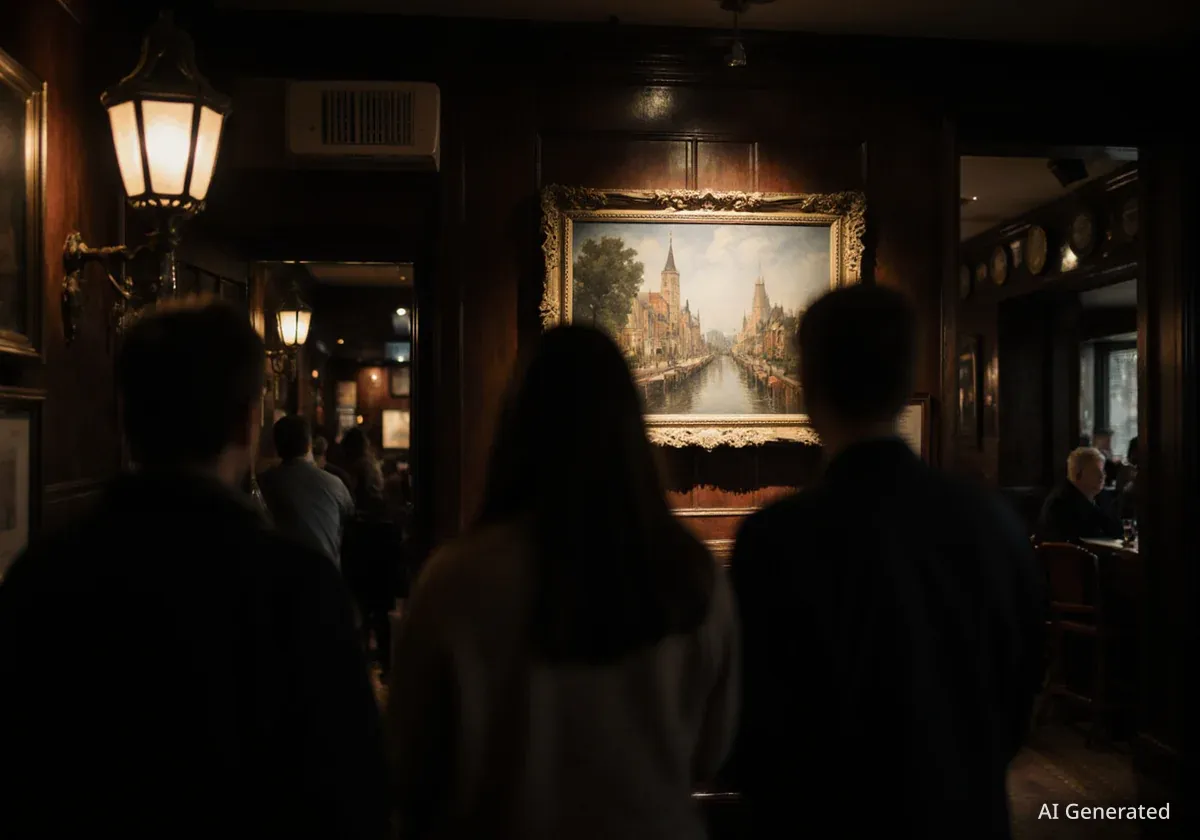
The National Gallery in London is preparing to showcase an extensive exhibition dedicated to Jan van Eyck, a pioneering figure in early Netherlandish painting. The exhibition will focus on his remarkable portraiture and his groundbreaking use of oil paint. Van Eyck is renowned for his ability to capture microscopic detail and luminous textures, which revolutionized painting in the 15th century.
One of the central pieces expected to be featured is his iconic 1434 work, 'The Arnolfini Portrait'. This painting is celebrated for its complex symbolism and the artist's innovative techniques. Viewers often spend considerable time attempting to decipher its many layers of meaning, from the identities of the subjects to the mysterious reflection in the convex mirror at the back of the room.
Artist Fact
Jan van Eyck was one of the first painters to make extensive use of oil paint, allowing for a richness of color and detail previously unattainable with tempera.
The exhibition aims to provide a deep dive into van Eyck's artistic process and his lasting influence on Western art. His contributions to realism and the development of portraiture remain significant to art historians and enthusiasts alike. This London showing represents a rare opportunity to see a collection of his works in one place.
Tracey Emin's Career Highlighted at Tate Modern
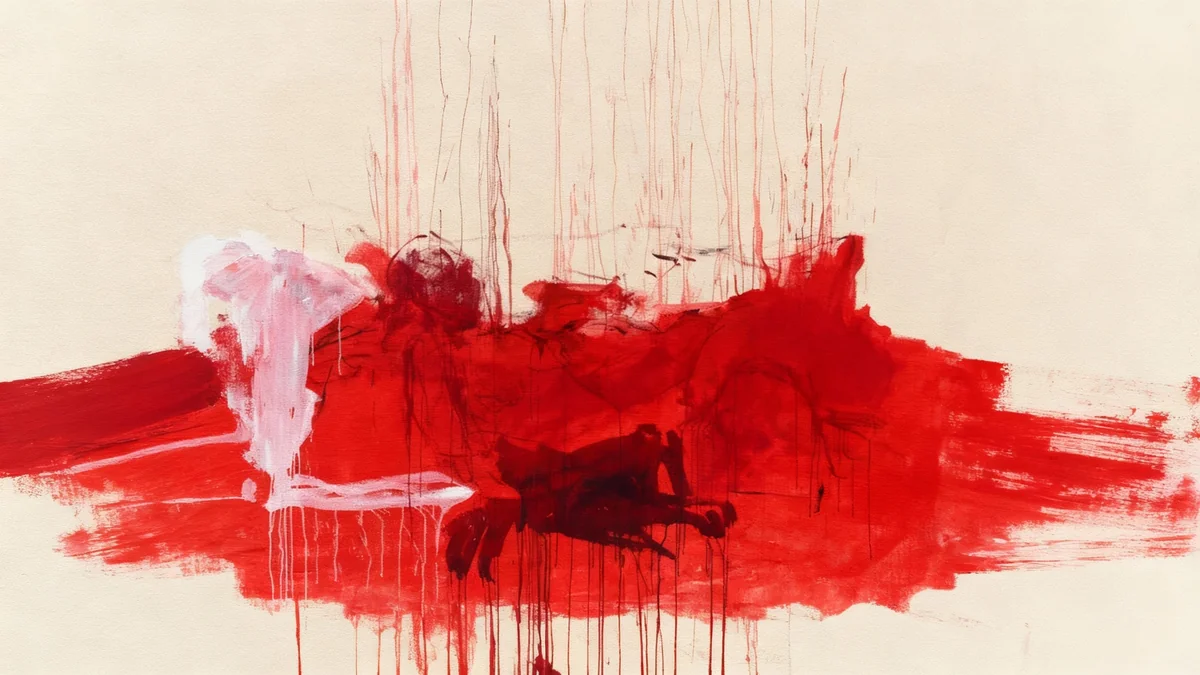
Tate Modern, also in London, will host a major retrospective for British artist Tracey Emin in 2026. Emin is known for her deeply personal and often provocative work, which frequently explores themes of love, loss, and vulnerability. Her art spans various mediums, including painting, drawing, sculpture, and neon installations.
The exhibition is expected to feature some of her most recognized pieces, reflecting her distinctive approach to art-making. Emin's work is characterized by its raw honesty and direct engagement with her own experiences. It often challenges viewers to confront uncomfortable truths about human emotion and relationships.
“I never Asked to Fall in Love — You made me Feel like This” (2018) is one of Tracey Emin's notable works, showcasing her signature style of expressing profound personal sentiment through text and image.
This retrospective will offer a comprehensive look at Emin's career, tracing the evolution of her artistic voice and the impact of her confessional style. Her ability to translate personal narratives into universally resonant art has solidified her position as a significant contemporary artist.
Art Movements
Tracey Emin is closely associated with the Young British Artists (YBAs) group, which emerged in the late 1980s and early 1990s. This group gained notoriety for their shock tactics and unconventional art practices.
A Diverse European Art Scene in 2026
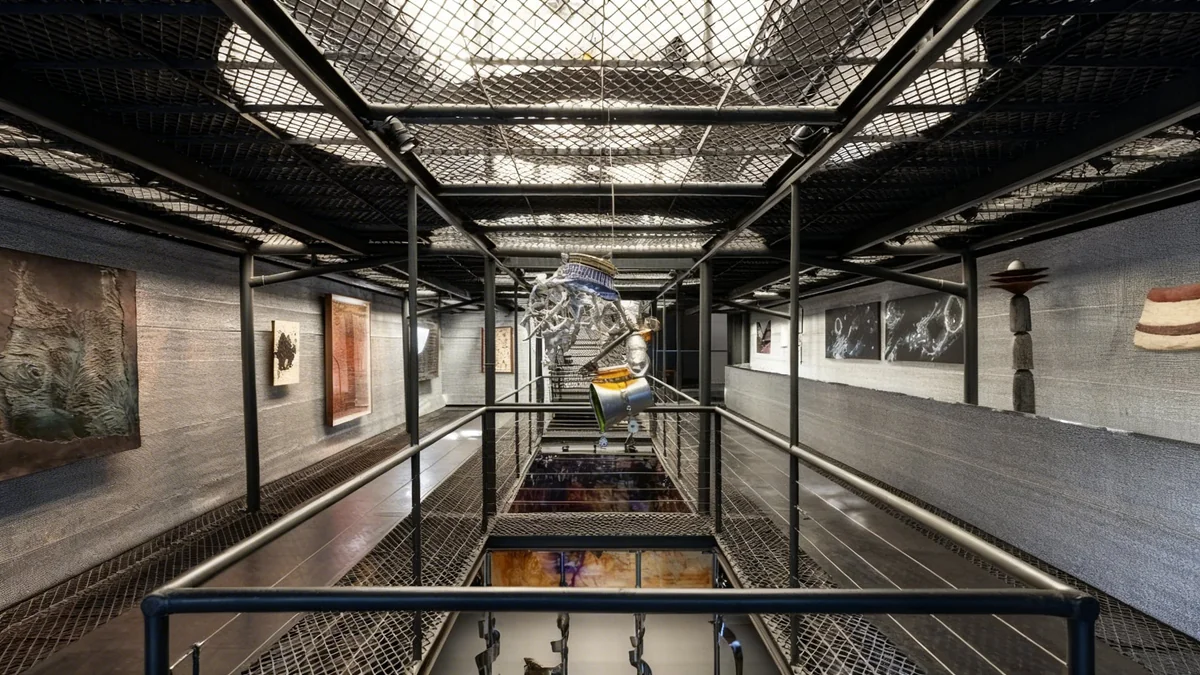
Beyond London, 2026 is poised to be a year of artistic innovation across the European continent. Various institutions are planning exhibitions that will explore a wide range of themes, from beauty and ugliness in the Renaissance to contemporary photography and multimedia installations featuring artists like Björk.
These diverse offerings underscore Europe's continued role as a global hub for art and culture. The exhibitions will cater to a broad audience, from those interested in historical masterpieces to those seeking cutting-edge contemporary art experiences. The sheer variety of upcoming shows suggests a dynamic and engaging year for the art world.
The Renaissance and Beyond
Several exhibitions are expected to delve into specific historical periods, particularly the Renaissance. These shows will likely examine how artists of that era depicted complex concepts such as beauty and human form. Such deep historical explorations provide valuable context for understanding the development of art over centuries.
Contemporary Voices and New Media
The programming also includes a strong focus on contemporary art, featuring artists who push boundaries with new materials and digital platforms. The inclusion of figures like Björk suggests an embrace of interdisciplinary art forms that blend music, visual art, and technology. This trend reflects a broader shift in the art world towards more immersive and multi-sensory experiences.
Exhibition Trend
There is a growing trend for major galleries to combine historical retrospectives with contemporary shows, offering a richer, more comparative viewing experience for visitors.
Overall, 2026 is shaping up to be a compelling year for art lovers, with a rich tapestry of exhibitions that promise to educate, provoke, and inspire. From the meticulous detail of the Old Masters to the bold statements of modern artists, the European art landscape will offer something for every taste.
Planning ahead for these events will be key for those wishing to experience the full breadth of Europe's artistic offerings. Many of these exhibitions are expected to draw large crowds, highlighting the enduring appeal of art as a means of cultural exploration and personal reflection.