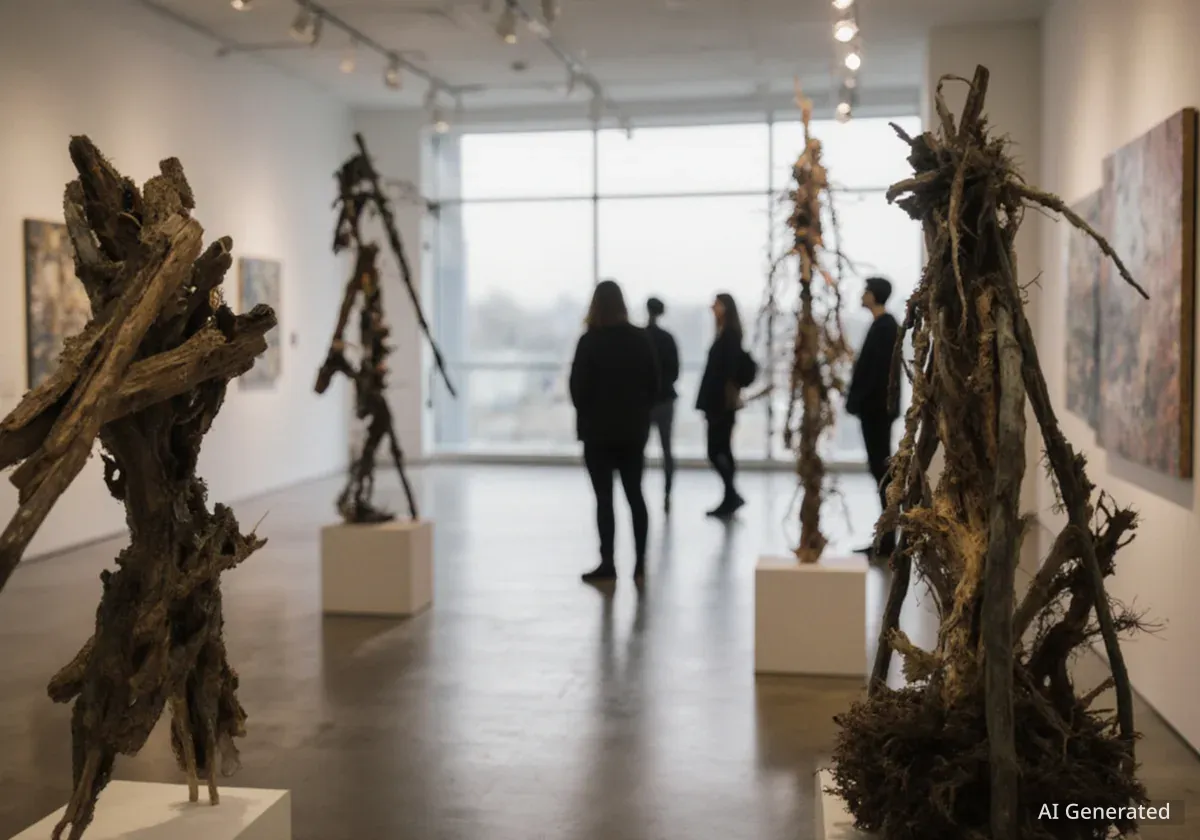
In a year marked by significant global shifts and internal pressures, the art world's most vulnerable communities and institutions faced unprecedented challenges, from censorship and economic hardship to direct threats to their existence. While traditional lists often celebrate the powerful, a new perspective highlights the resilience of those often overlooked.
Key Takeaways
- International art students face high tuition and perceived security risks.
- Federal grant cuts impacted thousands of arts organizations.
- Undocumented and trans artists experienced increased vulnerability and discrimination.
- Cultural institutions like the Smithsonian and National Museum of Yemen faced political and conflict-related damage.
- DEI programs and Rainbow Crosswalks saw significant setbacks.
International Students Face Mounting Hurdles
International art students, once seen as vital to the diversity of educational institutions, are now navigating a complex landscape. Many deplete their savings to afford exorbitant tuition fees in the United States, only to encounter increased scrutiny and, at times, be treated as security threats.
This situation not only creates immediate hardship for students but also poses a long-term risk to the standing of higher education in the United States. The perceived unwelcoming environment could deter future international talent, impacting the cultural and academic richness of art programs.
Fact: International Student Impact
International students contribute significantly to university budgets and cultural exchange, but rising costs and stricter policies are making art education less accessible for many.
Federal Funding Cuts Devastate Arts Organizations
Thousands of museums and arts organizations across the nation experienced severe financial instability following the unexpected axing of promised federal grants. Funding from critical bodies such as the National Endowment for the Arts, the National Endowment for the Humanities, and the Institute of Museum and Library Services was withdrawn, seemingly without clear justification.
While some of these grants were later reinstated, the damage was already done. Many recipients had already committed to programmatic and spending decisions based on the original funding, leading to widespread disruptions and cancellations.
"The sudden withdrawal of federal grants left many organizations in an impossible position, forcing them to reconsider core programs and even staffing levels," one arts administrator noted.
This financial instability underscores the precarious nature of arts funding and the profound impact of government policy on cultural institutions.
Vulnerable Artists Under Increased Pressure
Undocumented Artists Face Deportation Threats
Undocumented artists, historically marginalized by the art establishment, now live under the immediate threat of family separation and deportation. Reports indicate a fear of being sent to detention facilities in countries many have never known. The art community faces a pressing call to action to protect these highly vulnerable individuals.
Trans Artists Endure Heightened Discrimination
Transgender and nonbinary artists experienced a particularly challenging year. Discriminatory policies not only targeted gender-affirming care for minors but also denied the very existence of trans individuals through official language and mandates. This climate led to significant artistic setbacks, including the cancellation of major exhibitions.
Background: Censorship Concerns
Renowned American painter Amy Sherald reportedly canceled a Smithsonian exhibition due to fears that her portrait of a trans woman might face censorship, highlighting the chilling effect of current policies on artistic expression.
Institutions and Legacies Under Siege
Smithsonian Institution Navigates Political Interference
The Smithsonian Institution, with over half its budget reliant on government funding, finds itself in a challenging position. The current administration has escalated tactics, including releasing a list of artworks deemed to promote "divisive narratives." This pressure led to the departure of Kim Sajet, director of the National Portrait Gallery, raising concerns about the institution's autonomy.
The Louvre's Security Flaws Exposed
Even iconic global institutions were not immune to challenges. The Louvre's security system garnered unexpected attention following a major art heist, with reports suggesting a surprisingly simple password may have contributed to the breach. This incident highlighted vulnerabilities in protecting some of the world's most valuable treasures.
Stat: Louvre Heist
The "heist of the century" at the Louvre brought its security protocols into sharp focus, with some speculating about the simplicity of its digital defenses.
White House East Wing Demolished
The historic White House East Wing, a structure that had survived 21 administrations and 123 years of political unrest, was demolished. This decision cleared the way for a multimillion-dollar ballroom, marking a significant alteration to a symbol of American democracy.
National Museum of Yemen Damaged by Airstrikes
The National Museum of Yemen in Sana'a, home to invaluable Sabaean artifacts, suffered damage from Israeli airstrikes in September. The museum had only recently reopened in 2023 after a decade-long closure during the Yemeni revolution, making the new damage a significant blow to cultural heritage preservation.
Cultural Initiatives Face Setbacks
DEI Programs Under Attack
Diversity, Equity, and Inclusion (DEI) initiatives within museums and cultural institutions, already facing scrutiny, experienced significant attacks. These efforts, aimed at addressing historical discrimination, were largely dismantled, particularly in federally funded organizations. This move also influenced private funders, potentially reinforcing a more homogenous vision of culture.
Rainbow Crosswalks Erased
Rainbow crosswalks, symbols of LGBTQ+ pride and solidarity, faced widespread erasure across the country. One particularly egregious incident involved Florida's removal of a rainbow crosswalk memorial honoring victims of the 2016 Pulse nightclub shooting, sparking outrage and highlighting ongoing struggles for LGBTQ+ rights.
- Impact on Artists: Increased tariffs on imported art materials made creative work more expensive.
- Museum Rebranding: The Philadelphia Museum of Art's rebranding to "PhAM" and its new logo drew significant online criticism, with many comparing it to a "Cold War monstrosity."
- Legacy Stained: The Noguchi Museum's ban on workers wearing keffiyehs, a symbol of Palestinian solidarity, drew criticism for staining the anti-fascist legacy of artist Isamu Noguchi.
These developments collectively paint a picture of an art world under duress, where external political and economic forces, combined with internal institutional decisions, continue to challenge the most vulnerable and foundational elements of artistic expression and cultural heritage.