Sculptor Alma Allen, known for his abstract, biomorphic forms, will represent the United States at the 2026 Venice Biennale. The US Department of State confirmed the selection this week, following a complex selection process. The prestigious international art exhibition is scheduled to open in May 2026 in Venice, Italy.
Allen's work has garnered attention for its unique blend of organic shapes and diverse materials. His selection comes amid a broader re-evaluation of arts and culture within federal agencies.
Key Takeaways
- Alma Allen will be the US representative at the 2026 Venice Biennale.
- Allen is a self-taught sculptor known for abstract, biomorphic forms.
- The selection process for the 2026 Biennale was unconventional.
- His exhibition, "Alma Allen: Call Me the Breeze," will feature around 30 sculptures.
- The US State Department emphasized showcasing "American excellence" and "collective optimism."
Alma Allen's Artistic Journey and Style
Born in Herber City, Utah, in 1970, Alma Allen is largely self-taught. He spent several years living in Joshua Tree, California, before establishing his studio and bronze foundry in Tepoztlán, Mexico, approximately 50 miles from Mexico City. His artistic career began with humble origins, selling hand-carved miniatures on the streets of Soho.
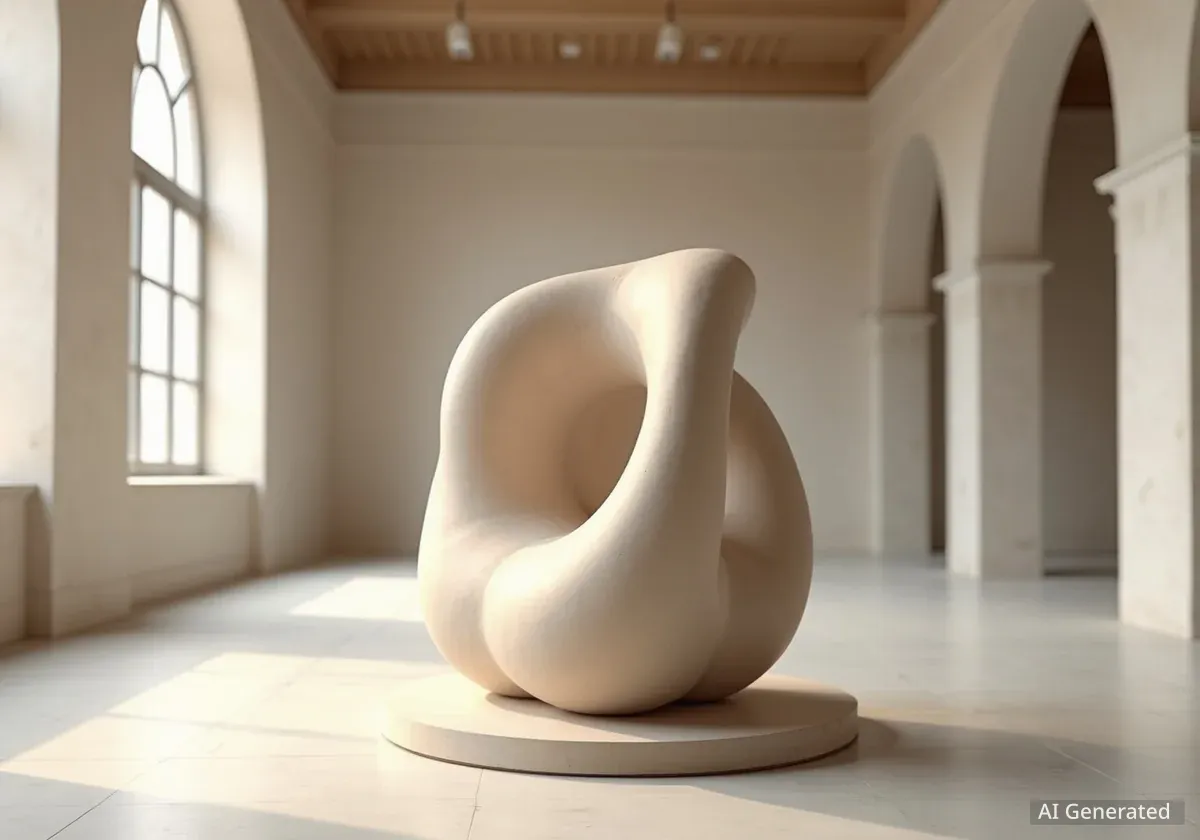
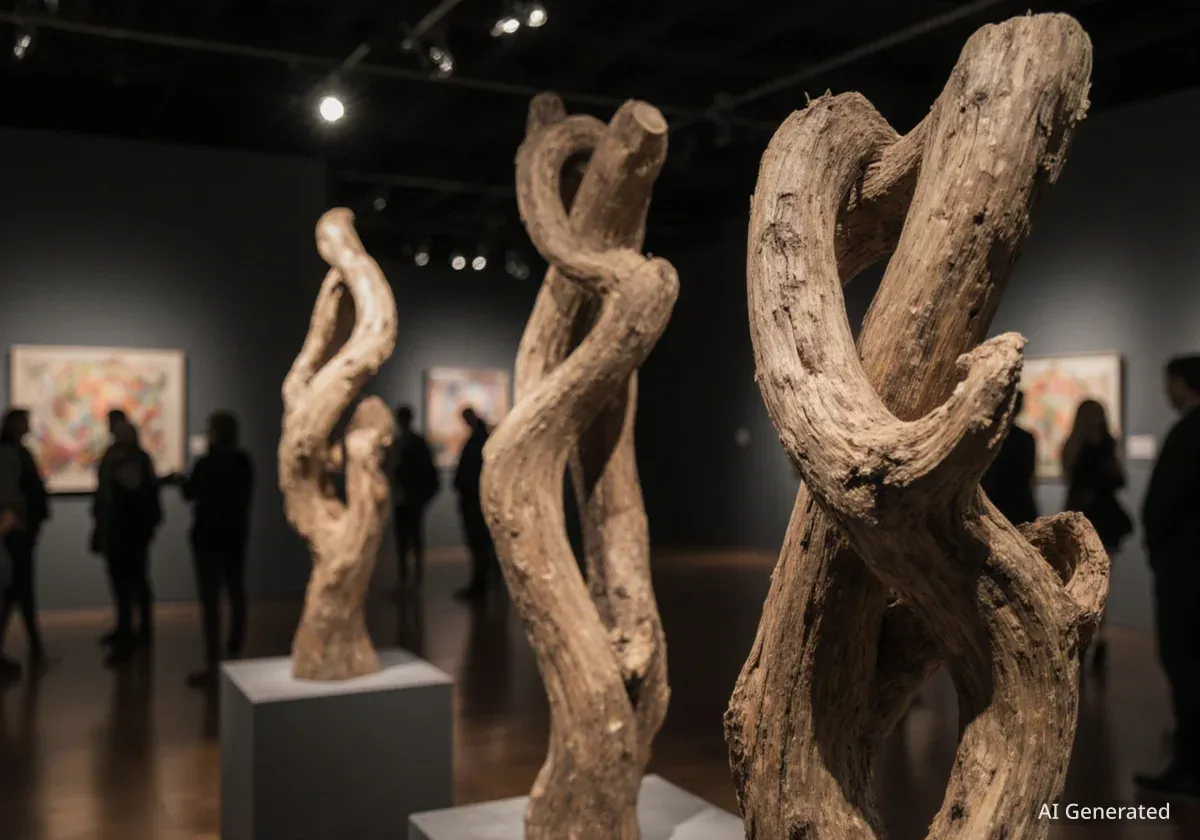
Allen's sculptures are characterized by their abstract and biomorphic qualities. His pieces often evoke natural forms, reminiscent of primordial oceanic organisms or woodland elements. He employs a wide range of production techniques, from intricate hand-carvings to robotic-assisted fabrication for larger works.
"The sculptures are often in the act of doing something: they are going away, or leaving or interacting with something invisible," Allen stated. "Even though they seem static as objects, they are not static in my mind. In my mind, they are part of a much larger universe."
Artist Profile: Alma Allen
- Born: 1970, Herber City, Utah
- Studio Location: Tepoztlán, Mexico
- Artistic Style: Abstract, biomorphic sculptures
- Materials: Bronze, Parota wood, obsidian, stalagmite, Orizaba marble
- Notable Exhibitions: 2014 Whitney Biennial, solo shows at Blum & Poe, Mendes Wood DM, Kasmin.
Materials and Scale
The materials Allen chooses are as significant as the final product. He has worked with sinewy bronze, rich Parota wood, dark obsidian, and even stalagmite. He also utilizes a specific type of marble native to Orizaba, a city in Mexico.
The scale of his work varies, but many of his signature pieces are monumental. His sculptures typically lack human form, often featuring a gleaming, precious metal aesthetic. This style aligns with an emphasis on industry and material importance.
An Unconventional Selection Process
The selection of Alma Allen for the 2026 Venice Biennale was not typical. Traditionally, the US Pavilion artist is chosen through a call for proposals reviewed by the Advisory Committee on International Exhibitions. This committee is assembled by the National Endowment for the Arts and the US Department of State.
This year, the process deviated significantly. Allen himself confirmed that he did not submit a formal proposal. Instead, he was approached directly with the offer by Jeffrey Uslip, who was tapped to curate the US presentation in Venice.
Background on Venice Biennale Selection
The Venice Biennale is one of the world's most important international art events. National pavilions present artists representing their respective countries. The selection process typically involves a lengthy grant application and committee review, often starting 18 months before the exhibition opens.
The 2026 guidelines included new language, instructing proposals to "advance international understanding of American values by exposing foreign audiences to innovative and compelling works of art that reflect and promote American values." Previous language related to Diversity, Equity, and Inclusion (DEI) was removed, and participants were required to ensure "compliance in all respects with all applicable Federal anti-discrimination laws."
Reports initially suggested that artist Robert Lazzarini had been chosen. However, negotiations between the State Department and the University of South Florida, which was to collaborate on Lazzarini's proposal, reportedly broke down. This led to the withdrawal of their proposal and the subsequent direct offer to Allen.
The portal for proposals opened in May, just a year before the exhibition. This compressed timeline added to the challenges, especially given Venice's reputation as a difficult city for mounting large-scale exhibitions.
The 2026 US Pavilion: "Call Me the Breeze"
Allen's exhibition for the US Pavilion is titled "Alma Allen: Call Me the Breeze." Jeffrey Uslip, formerly the deputy director of exhibitions at the Contemporary Art Museum St. Louis, will curate the presentation. The pavilion's commissioner is Jenni Pardo, founder of the American Arts Conservancy.
The exhibition will showcase approximately 30 sculptures. These will include "site-responsive" pieces designed specifically for the Venice location. The State Department indicated these works will "explore the concept of ‘elevation’ … as a physical manifestation of form and as a symbol of collective optimism and self-realization, furthering the Trump Administration’s focus on showcasing American excellence."
- The exhibition will feature around 30 sculptures.
- At least one sculpture will be installed outdoors in the American Pavilion forecourt.
- The theme of "elevation" aims to symbolize collective optimism and self-realization.
Jenni Pardo emphasized Allen's background, stating, "Alma Allen embodies the qualities of America’s best and brightest; he is a self-taught American success story." This highlights a narrative of individual achievement and self-reliance.
The decision marks a significant moment for the sculptor, bringing his distinct vision to one of the world's most prominent art stages. Observers will be keen to see how Allen's abstract forms resonate with the international audience and the specific themes articulated by the US State Department.