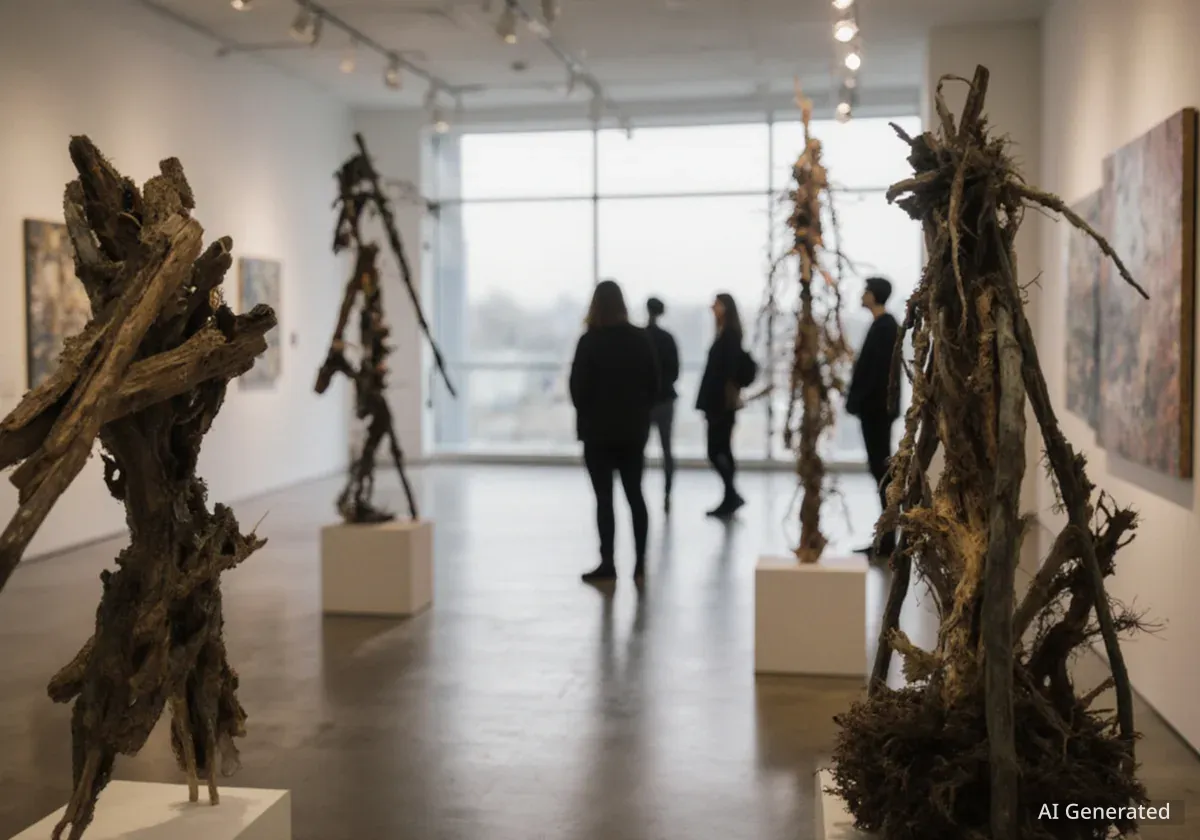
A new exhibition at 180 Studios in London presents a wide array of video art, featuring works from the 1990s to contemporary pieces. The show, running from October 15 to December 21, aims to immerse viewers in a diverse collection of moving image art. Despite the varied themes and styles, the exhibition focuses on the powerful presentation of individual works within the expansive venue.
Key Takeaways
- 180 Studios in London hosts a major video art exhibition until December 21.
- The show includes influential works from the 1990s by artists like Mark Leckey and Gillian Wearing.
- Contemporary pieces by artists such as Ryan Trecartin and Meriem Bennani are also featured.
- The exhibition is known for its high-quality presentation and immersive experience.
- Curatorial choices blend disparate themes, leading to a thought-provoking, albeit sometimes disjointed, viewing experience.
Exploring Video Art from the 1990s
The exhibition begins with several highly regarded video art pieces from the 1990s. These works established significant benchmarks in the field. Mark Leckey’s Fiorucci Made Me Hardcore, for example, explores rave culture and youth experiences. It maintains its impact nearly three decades after its creation.
Gillian Wearing’s Dancing in Peckham is another notable inclusion. This film features an individual performing an uninhibited, silent dance in a public shopping center. It has become a defining work of its era due to its unique approach to social observation.
Pipilotti Rist’s Ever Is Over All also features prominently. This video depicts a smiling woman casually smashing car windows with a flower. Its visual style later influenced popular culture, including Beyoncé’s 2016 music video for Hold Up. These initial works highlight the creative explosion driven by more accessible camera and editing technology during the 1990s.
Did You Know?
The 1990s saw a significant increase in video art production due to the availability of cheaper camera and editing equipment. This led to a boom in experimental and narrative video works.
Contemporary Visions and Shifting Themes
Moving beyond the 1990s, the exhibition introduces works from the 2000s and beyond. Ryan Trecartin’s I-Be Area presents a lengthy, chaotic, low-fidelity depiction of unusual characters engaged in peculiar activities from the mid-2000s. This piece challenges traditional viewing experiences with its intense and often disorienting style.
Fashion designer Telfar Clemens contributes a film from 2025. It captures a vibrant and energetic audition process for new models, featuring dynamic body-popping and a powerful soundtrack. This work blurs the lines between fashion, performance, and video art. Pioneering photographer Nan Goldin’s work also appears, featuring a collage of archival footage centered on Donyale Luna, recognized as the first Black supermodel. These diverse works introduce varied themes and aesthetics.
"The exhibition aims to create an immersive experience, presenting a wide range of video art without imposing a single, strict narrative," states a representative from 180 Studios.
Diverse Artistic Exploration
The collection continues with Dara Birnbaum’s experimental work from the late 1970s. This piece re-imagines Wonder Woman as a disco icon, showcasing early explorations of media manipulation and popular culture. Josèfa Ntjam’s CGI video introduces undulating sea creatures, exploring themes of "queering evolution" through digital animation.
The transition between these varied pieces can be abrupt. Viewers may find themselves encountering vastly different artistic intentions and visual styles from one room to the next. This curatorial approach emphasizes individual works rather than a cohesive historical or thematic progression. While some pieces may challenge viewer expectations, the overall presentation quality at 180 Studios remains consistently high.
About 180 Studios
180 Studios, located at 180 The Strand in London, is known for its large-scale, immersive art exhibitions. Their debut show, "The Infinite Mix," in 2016, set a high standard for video art presentations, combining sound, image, and space to create powerful viewer experiences.
Narrative Threads and Artistic Connections
Despite the apparent lack of a central theme, certain narrative threads connect some of the works. Artists Cao Fei and Arthur Jafa skillfully use the music video format as an art form. Jafa and Martine Syms explore profound themes related to Black identity and experience through their moving pieces. These works offer strong emotional and cultural commentary.
Queerness and fashion are explored in Telfar Clemens’s auditions and Andy Warhol’s "fashion TV" segments. Social media themes appear in Ryan Trecartin’s video and Meriem Bennani’s film about lizards during the pandemic. However, these connections often remain as separate elements rather than forming a unified exhibition narrative. The inclusion of Derek Jarman’s Super 8 experiments further broadens the scope, adding another layer of historical and stylistic diversity.
- Mark Leckey: Explores youth and rave culture.
- Gillian Wearing: Captures awkward public performance.
- Pipilotti Rist: Features rebellious acts in everyday settings.
- Ryan Trecartin: Presents chaotic, low-fi digital narratives.
- Telfar Clemens: Blends fashion, performance, and identity.
- Nan Goldin: Focuses on historical figures and found footage.
- Dara Birnbaum: Reimagines pop culture icons.
- Josèfa Ntjam: Uses CGI to explore abstract concepts.
- Cao Fei & Arthur Jafa: Experiment with music video aesthetics.
- Martine Syms: Addresses themes of Blackness and identity.
- Meriem Bennani: Incorporates social commentary and contemporary events.
The Immersive Experience at 180 Studios
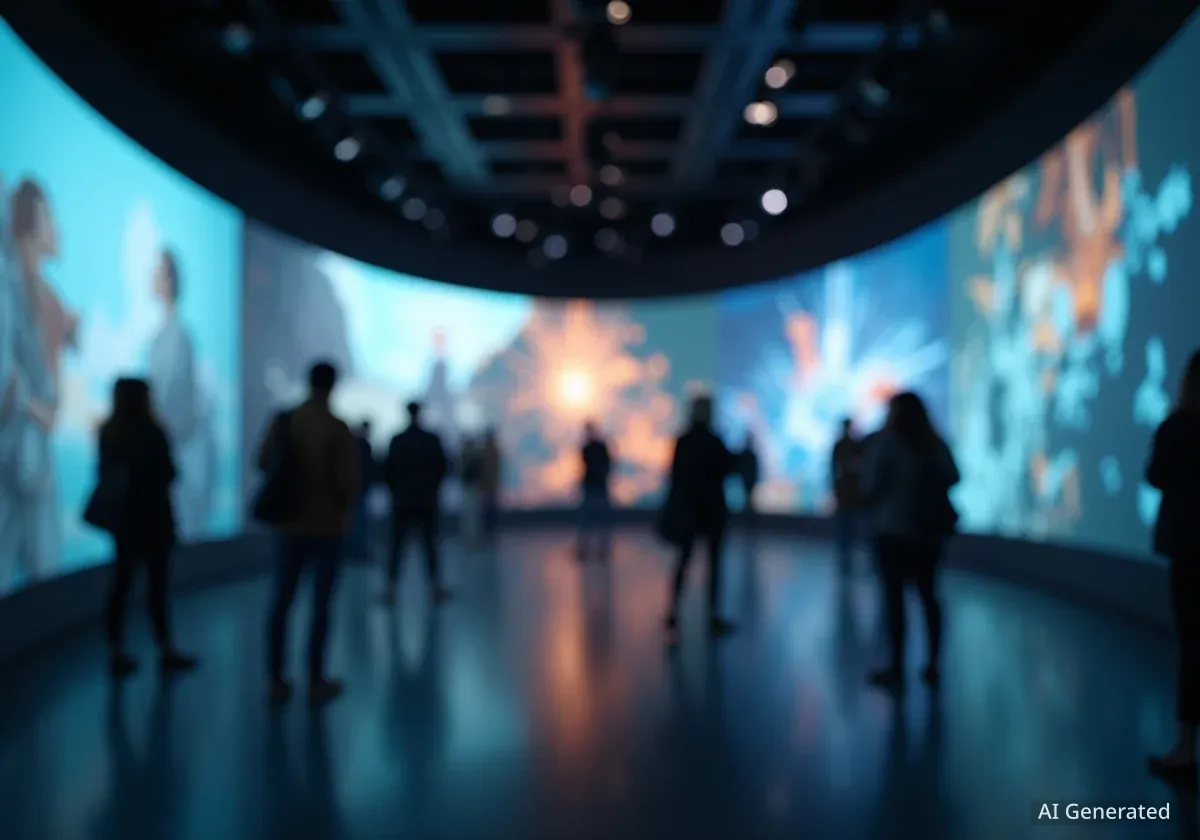
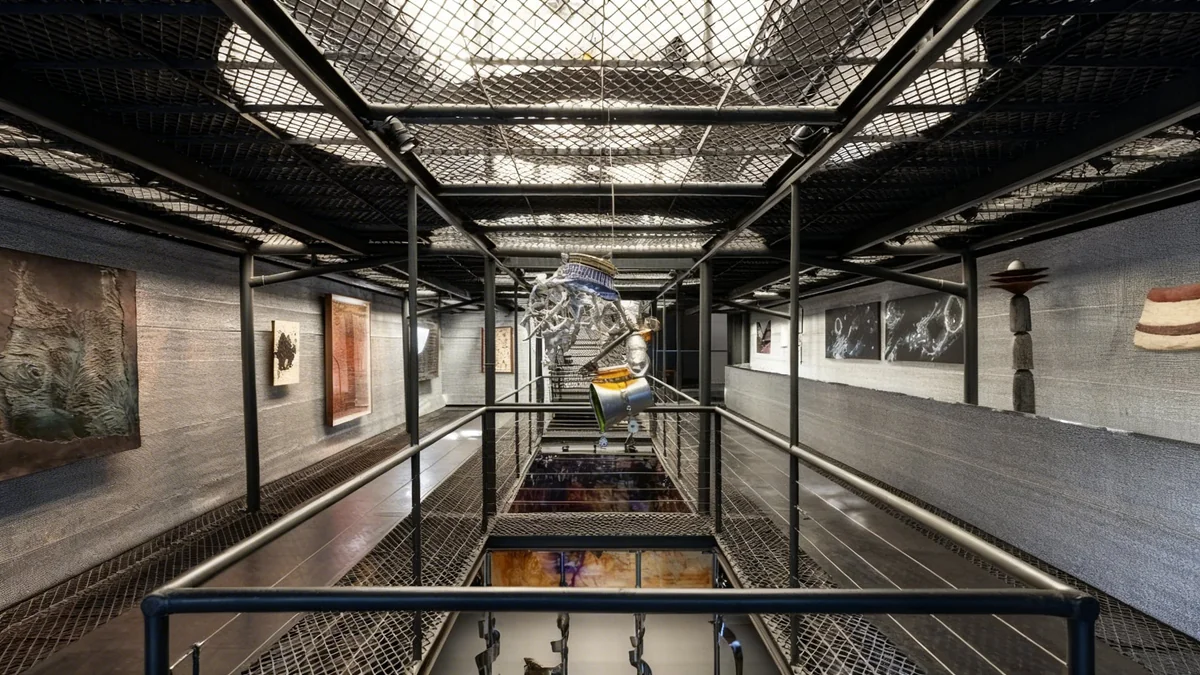
The exhibition's strength ultimately lies in the high standard of presentation and the unique architectural space of 180 Studios. The venue's vast, subterranean environment enhances the immersive quality of the video installations. Each piece is projected and amplified to create a powerful sensory experience. The sound is loud, and the visuals are often intense, drawing viewers directly into the art.
For example, the work by Martine Syms is described as "unreal" in its impact, while Arthur Jafa’s piece is noted for being "hallucinatory and uncomfortable." The films from the 1990s, despite their age, continue to resonate with viewers. The overall effect is one of being overwhelmed by the sheer volume and quality of the visual and auditory stimuli.
The curators have opted for a maximalist approach, filling the space with significant video art pieces. This strategy, while not always creating a clear thematic path, ensures that the exhibition delivers a memorable and impactful experience. The focus shifts from understanding a singular curatorial message to appreciating the individual power and presence of each artwork within the grand setting. The exhibition runs until December 21, offering a chance to witness these diverse video art creations in a unique environment.