

Creative software company Affinity has launched a comprehensive new brand identity, developed in a wide-ranging collaboration that includes its in-house team, designers from Canva, and the design studio Twist. The rebrand, which introduces a new logo, custom typeface, and a unique file extension, was revealed alongside the company's updated software suite.
The new visual identity aims to reflect a bold, fresh direction for the company, which positions itself as a major competitor in the professional creative software market. The project involved several well-known figures and agencies from the design community to craft a look and feel that resonates with its core user base.
Key Takeaways
- Affinity's new branding was a joint effort between its internal team, Canva, and design studio Twist.
- The rebrand includes a new logotype by Rob Clarke and a custom typeface from the Ohno type foundry.
- A new file extension, .af, has been introduced, directly tying into the brand's new 'fresh.af' slogan.
- The visual identity features a neutral color palette with a striking lime green accent color.
A Collaborative Creative Effort
The development of Affinity's new brand was not a siloed process. Instead, the company brought together a diverse group of creatives to ensure the final product was authentic to its motto, "for creatives, by creatives."
The core team was a partnership between Affinity's own designers, creative professionals from the popular design platform Canva, and the strategic design studio Twist. This collaboration highlights a growing trend of interoperability and partnership within the digital design industry.
Who is Affinity?
Affinity develops a suite of professional creative software for photo editing, graphic design, and page layout, including Affinity Photo, Affinity Designer, and Affinity Publisher. The software is often seen as a key alternative to Adobe's Creative Cloud suite, offering perpetual licenses instead of a subscription model, which has garnered a loyal following among designers, illustrators, and photographers.
To execute specific elements of the brand, Affinity enlisted specialists recognized for their expertise:
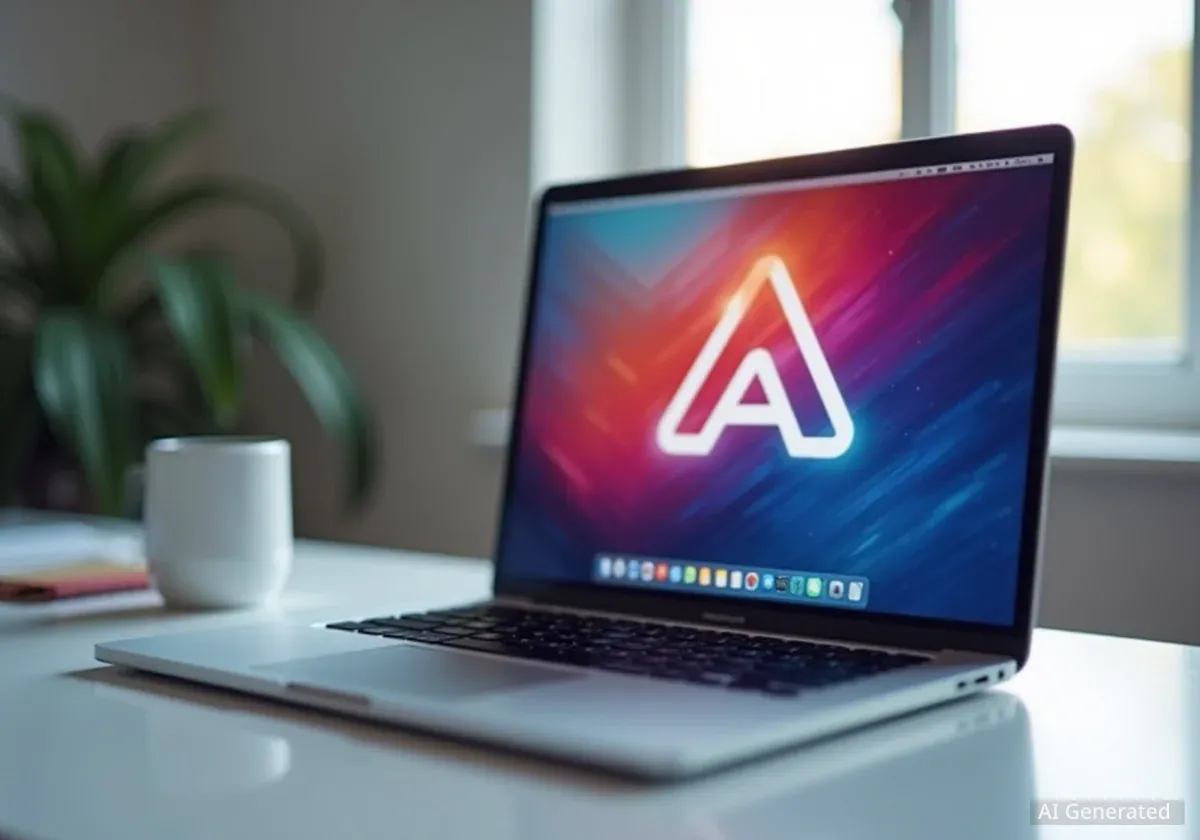
- Logotype and Symbol: The new logo, which combines sharp angles with rounded curves, was designed by accomplished artist Rob Clarke.
- Custom Typeface: A unique font that aims to be attention-grabbing was developed by the acclaimed Ohno type foundry.
- Graphic Assets: A suite of dynamic and playful graphics for the brand was created by James Martin, also known as Made by James.
- Launch Animation: The animated campaign to introduce the rebrand was produced by ManvsMachine, a multi-award-winning motion design studio.
Defining a New Visual Language
The new identity is built around a distinct tone of voice that the company describes as "Knowing, liberating and a little out-there." This ethos is encapsulated in the tagline "fresh.af," a playful and confident statement intended to appeal directly to the creative community.
The visual components work together to support this message. The color scheme is predominantly neutral, which allows the vibrant, punk-inspired lime green accent to stand out on every touchpoint. This creates a strong, recognizable visual signature without being overwhelming.
The stated goal of the campaign was to ensure that every encounter with the brand screamed creative possibility, and that every touchpoint felt unique to Affinity.
The custom logotype and typeface are central to this new language. They are designed to be both precise and expressive, reflecting the technical capabilities of Affinity's software and the creative freedom it enables for its users.
From Slogan to File Extension
Perhaps one of the most distinctive elements of the rebrand is how the "af" suffix has been integrated beyond marketing materials. In a move that solidifies the new identity, all files created and saved within the Affinity suite will now use the .af file extension.
A Functional Rebrand
By changing its native file extension to .af, Affinity has embedded its new brand slogan directly into the user's daily workflow. This transforms a marketing concept into a functional part of the software ecosystem, reinforcing the brand identity every time a user saves a project.
This decision connects the brand's bold attitude directly to the user's workflow. It's a subtle but constant reminder of the brand's identity, turning a routine task like saving a file into a brand interaction.
A Campaign Built for Designers
The launch campaign further demonstrates Affinity's understanding of its audience. The materials often use inside jokes and references familiar to designers, such as poking fun at the common practice of naming files with increasingly desperate suffixes like `project_final_final_v2_real_final.af`.
This self-aware humor helps build a connection with creative professionals by showing that the brand understands their daily challenges and quirks.
In another nod to industry collaboration, the company noted that the new identity was crafted within its own Affinity software and then scaled for broader use in Canva. This not only demonstrates the power of its own tools but also acknowledges how different platforms can coexist and complement each other in a professional creative workflow.
Overall, the new branding represents a significant step for Affinity. It moves beyond just a product offering to create a distinct and memorable brand culture, signaling its confidence and ambition in the competitive creative software landscape.