
A recent investigation by the French culture ministry has revealed that the October Louvre heist, which saw approximately $100 million worth of crown jewels stolen, was indeed captured by security cameras. This finding directly contradicts earlier statements from the museum's director, Laurence des Cars. The real issue, according to investigators, was a critical delay in security personnel switching to the live camera feed.
Key Takeaways
- Louvre security cameras recorded the October heist, contrary to prior official statements.
- Security guards took up to eight minutes to access the live camera feed, allowing thieves to escape.
- Police response was delayed due to miscommunication about the break-in location.
- Previous security audits in 2017 and 2019 were not shared with the current museum director.
- The revelations have intensified calls for the resignation of Louvre director Laurence des Cars.
Security Camera Captured Thieves' Entry and Escape
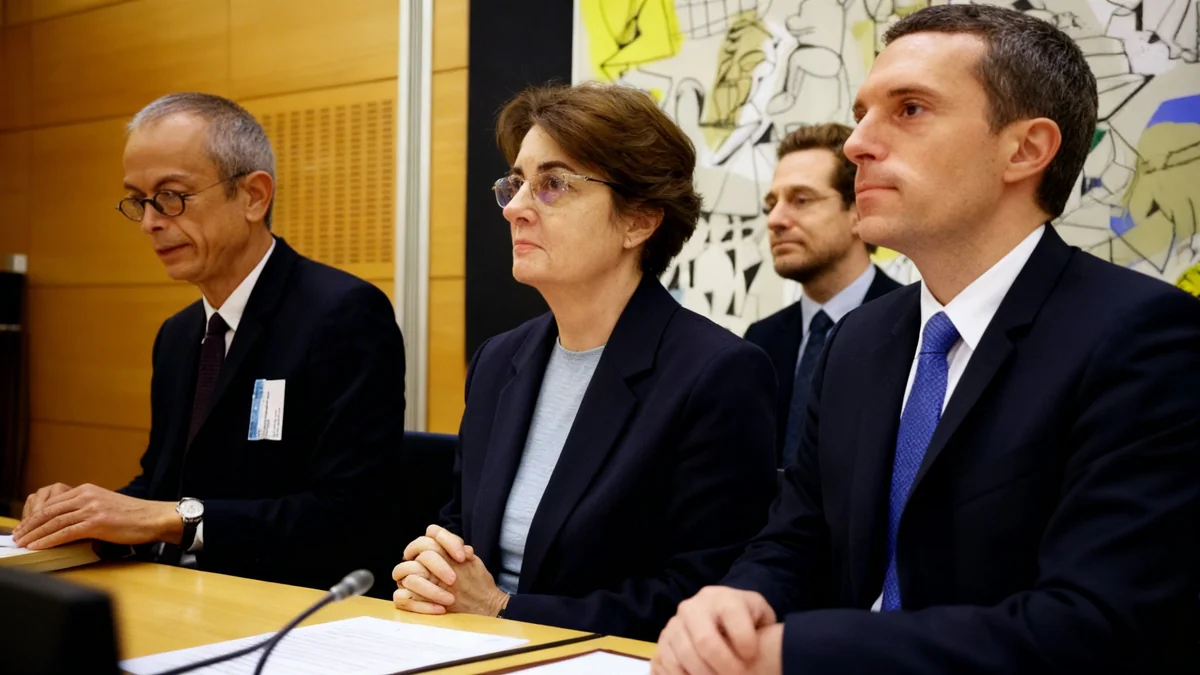
Investigators presented their findings on Wednesday at a French senate hearing. They stated that the security camera near the break-in point was operational and recorded the thieves' preparations and escape. The problem was not a faulty camera, but rather the slow reaction time of the security team.
It took security guards in the museum's control room up to eight minutes to switch to the live feed from the camera. By the time they viewed the footage, the robbers had already made their getaway. This significant delay allowed the thieves to operate largely unimpeded during their critical entry and exit phases.
"Of the two cameras near the scene, only one was operational," Noël Corbin, an inspector at the ministry who led the investigation, told senators. "But it was sufficient, despite its poor quality, to allow for preparations for the burglary to be seen."
Heist Timeline
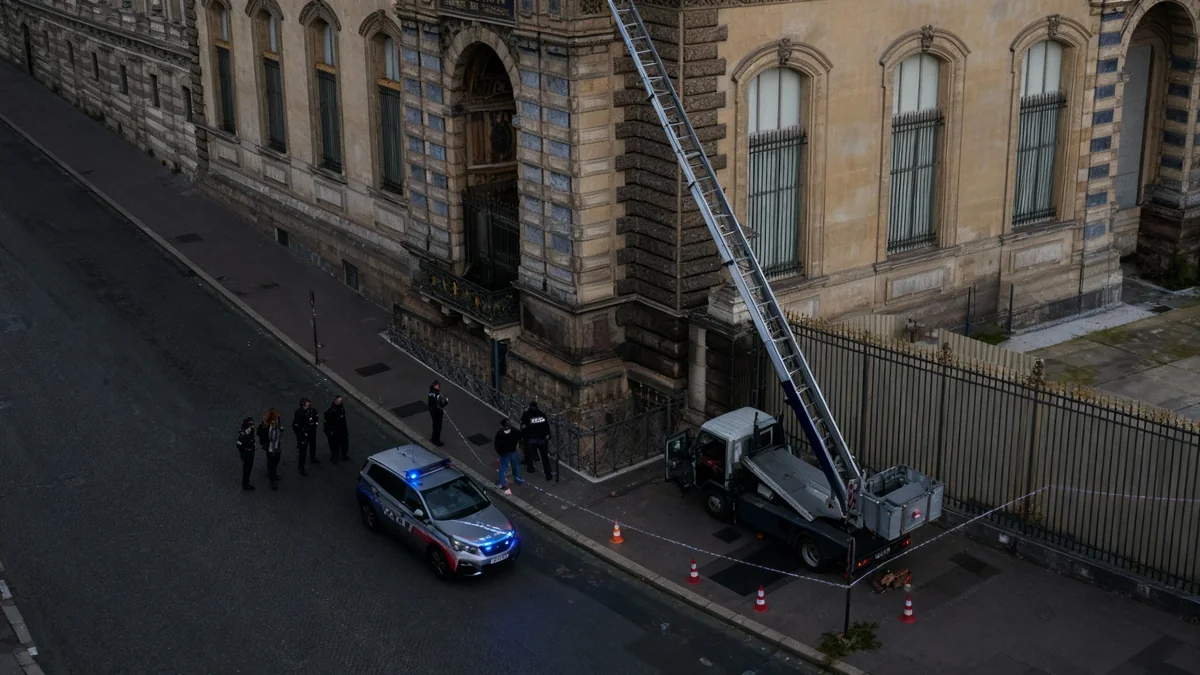
- 9:30 a.m. on Oct. 19: Robbers arrive in a truck.
- They climb a ladder to a second-floor balcony.
- Grinders are used to force open a window.
- 9:38 a.m.: Thieves escape with accomplices.
Contradictory Statements and Mounting Pressure
The investigation's conclusions directly challenge the earlier explanations provided by Laurence des Cars, the Louvre's director. Ms. des Cars had informed the same senate committee in October that the break-in was not captured on camera. She repeated this explanation in a subsequent interview last month.
Mr. Corbin's assertion that the camera was operational and captured the events contradicts Ms. des Cars's initial statements. She had previously claimed the camera faced "a major traffic artery" and was also intended to monitor construction.
The revelations have intensified scrutiny of Ms. des Cars's leadership and amplified calls for her resignation. Some senators believe she should step down in light of this new information.
Background on the Heist
The Louvre heist in October was a national embarrassment for France. Thieves stole crown jewels estimated to be worth around $100 million. The incident raised serious questions about the security protocols at one of the world's most famous museums.
Failures in Communication and Internal Issues
Beyond the camera feed delay, investigators identified several other critical errors that contributed to the thieves' successful escape. Police officers and security guards reached the site of the break-in approximately 30 seconds after the thieves had already fled. This response time could have been faster.
Museum staff gave officers the correct room name where the jewelry was kept, but failed to specify which end of the long, narrow gallery to approach. This led police officers to initially head to the wrong side of the building, causing a delay as they had to redirect their efforts.
Another significant finding was that Ms. des Cars and her team were not made aware of two prior security audits conducted in 2017 and 2019. These audits had identified problems with the museum's security, including an issue with the very window the thieves exploited. Ms. des Cars was appointed director in 2021, and this information was not communicated to her.
Control Room Limitations and Staff Concerns
The investigation also highlighted limitations within the museum's control room. It does not possess enough screens to broadcast every camera feed simultaneously. An audit in August had recommended installing more screens, but this had not been implemented.
Guards were forced to manually toggle between different cameras, meaning they were focusing on feeds showing the museum's entrances instead of the escape route during the critical moments of the heist. This manual toggling contributed to the delayed observation of the thieves' actions.
The ongoing crisis at the Louvre is compounded by internal staff dissatisfaction. Employees from three labor unions are preparing for a multi-day strike. They cite an "ever-increasing workload," confusing instructions from leadership, and an unsympathetic management style as their reasons for protesting.
These strike threats emerged just days after the museum acknowledged that a water pipe leak had damaged up to 400 documents in its Egyptian antiquities library. The combined issues paint a picture of significant challenges facing the institution.
Political Fallout and Future Implications
The new information presented at the senate hearing has fueled political debate. Agnès Evren, a senator from the conservative Republican party, suggested that Ms. des Cars should resign given the fresh details. Evren noted a "kind of competition between teams to pass the buck."
However, not all senators agreed. Laure Darcos, a centrist senator, defended Ms. des Cars, describing her as a "collateral victim" of a broader systemic failure within the museum's security apparatus. The situation underscores deep-seated issues that predate the current leadership.
The Louvre, one of the world's most visited museums, now faces significant questions about its security protocols, internal communication, and leadership accountability. The French culture ministry's investigation provides crucial insights into the events of October 19, demanding immediate action to prevent future incidents and restore public confidence.