

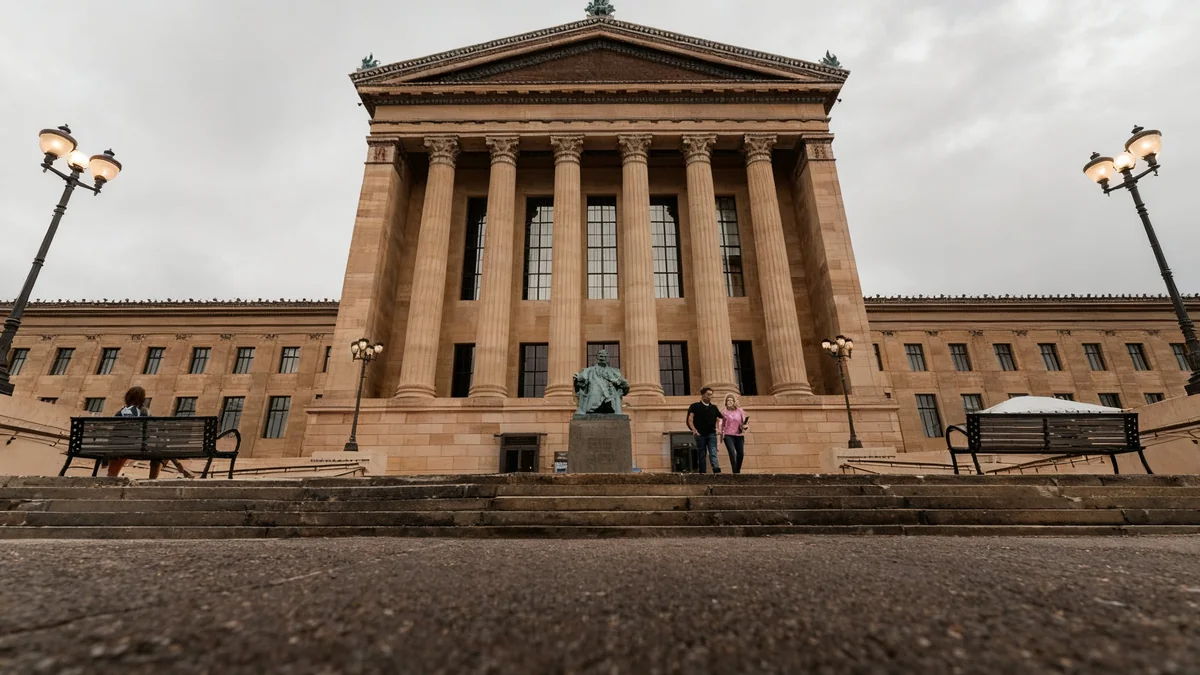
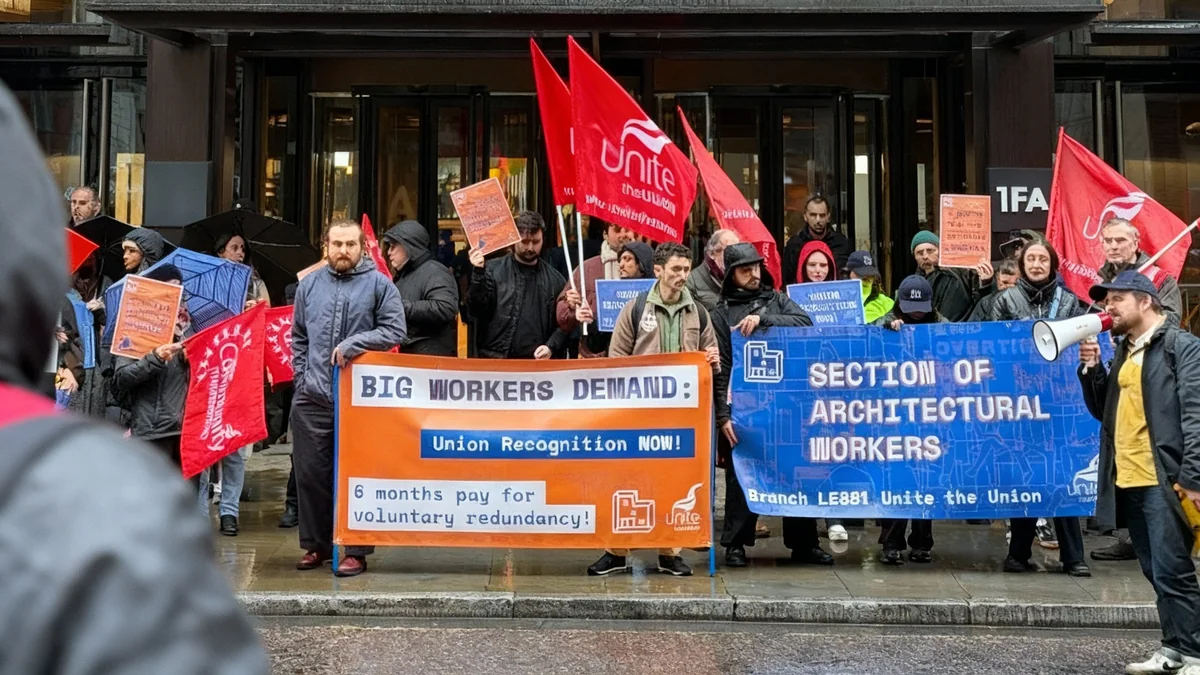

The Museum of Fine Arts (MFA) Boston announced a significant reduction in its workforce this week, laying off 33 employees. This decision, which impacts 6.3% of its staff, comes as the institution grapples with a projected $13 million deficit. The layoffs, effective Friday, January 28, affect various departments and include both union and non-union positions.
Key Takeaways
- MFA Boston laid off 33 workers, representing 6.3% of its staff.
- The museum faces a projected $13 million deficit.
- Layoffs impact 16 union members across various roles.
- The museum plans to sell a plot of land in Hopkinton.
- Union representatives express deep concern over staff cuts.
Staff Reductions Across Departments
Karen Frascona, the Director of Communications for MFA Boston, confirmed that the layoffs span a wide range of roles. These include positions from curatorial staff to operations and even high-level management. In addition to the layoffs, the museum eliminated 23 vacant positions, further streamlining its operations.
The decision to reduce staff is a direct response to the museum's financial challenges. Director Pierre Terjanian, who took the helm last July, indicated that these measures are essential to address the substantial deficit.
"Workloads at the Museum are already high, and cutting back on the very staff members who make the MFA, Boston such a great institution is a blow both to the affected individuals and to the institution itself," stated Chelsea Farrell, a representative for Local 2110 UAW, the MFA Boston union.
By the Numbers
- 33 employees laid off
- 6.3% staff reduction
- 16 union members affected
- 23 vacant positions eliminated
- $13 million projected deficit
- $5.4 million anticipated savings from staff reduction
Financial Measures and Property Sale
Salaries and benefits currently account for 55% of the MFA Boston's annual budget. The staff reduction is expected to save approximately $5.4 million, a crucial step in mitigating the projected deficit. This financial restructuring is a primary focus for the new leadership.
In addition to the layoffs, the museum plans to sell a significant plot of land located in Hopkinton, Massachusetts. This property was initially intended to house a center for the museum's extensive collection. The sale of this land represents another strategy to improve the museum's financial standing.
Union Response and Concerns
The MFA Boston union, Local 2110 UAW, has expressed profound concern regarding the layoffs. Union representatives highlighted the potential impact on both the affected employees and the remaining staff. They noted that current workloads are already demanding, and further reductions could strain the institution's ability to maintain its high standards.
The union is actively seeking a meeting with museum leadership to discuss possible retention strategies. They also aim to ensure that any sacrifices made by rank-and-file workers are matched by shared sacrifice from museum leadership. This move reflects the union's commitment to protecting its members and the overall health of the institution.
Background: Unionization and Previous Cuts
The MFA Boston union formally organized in 2020 following a mass staff reduction of over 100 employees during the early days of the coronavirus pandemic. In 2021, the union conducted a day-long strike amid stalled negotiations for their first contract. The contract was eventually ratified in 2022, securing various benefits for over 200 employees, including salary increases, improved transportation and retirement benefits, and workplace diversity training.
Personal Impact of Layoffs
The human cost of these layoffs is significant. Paul McAlpine, who worked in public services and collections management in the MFA Boston's libraries and archives for over 28 years, confirmed he is among the 16 union staff members laid off. His situation underscores the immediate and long-term challenges faced by affected individuals.
McAlpine shared his concerns about financial survival, explaining that he has been making penalty-free withdrawals from his retirement fund since 2020 to cover monthly bills. Losing his full-time job means he now faces a future without health benefits and the prospect of never being able to retire.
"I don't know how I'm gonna survive this," McAlpine stated, highlighting the immediate financial strain. "Now, I'm out of a full-time job, I can never retire, and as of tomorrow, I have no health benefits — I just got a medical bill."
Impact on Curatorial Diversity
Reports circulating on social media indicate that some of the affected staff include key curatorial positions. Marina Tyquiengco, the museum's first curator of Native American Art, and Nadirah Mansour, its inaugural assistant curator of Islamic Art, are reportedly among those impacted. These potential losses raise questions about the museum's commitment to diversity in its curatorial staff and exhibition programming.
The MFA Boston layoffs are not isolated incidents. Cultural institutions across the United States have faced similar staff reductions recently. Museums such as the Guggenheim Museum, the Fine Arts Museums of San Francisco, the San Francisco Museum of Modern Art, the Buffalo AKG Art Museum, and the Brooklyn Museum have all implemented staff cuts. This broader trend reflects ongoing financial pressures within the arts and culture sector.
McAlpine expressed a broader sentiment about the situation, calling it "a sad day for the city of Boston." He emphasized the fundamental importance of respecting staff, the public, and the artists whose work is preserved and displayed.