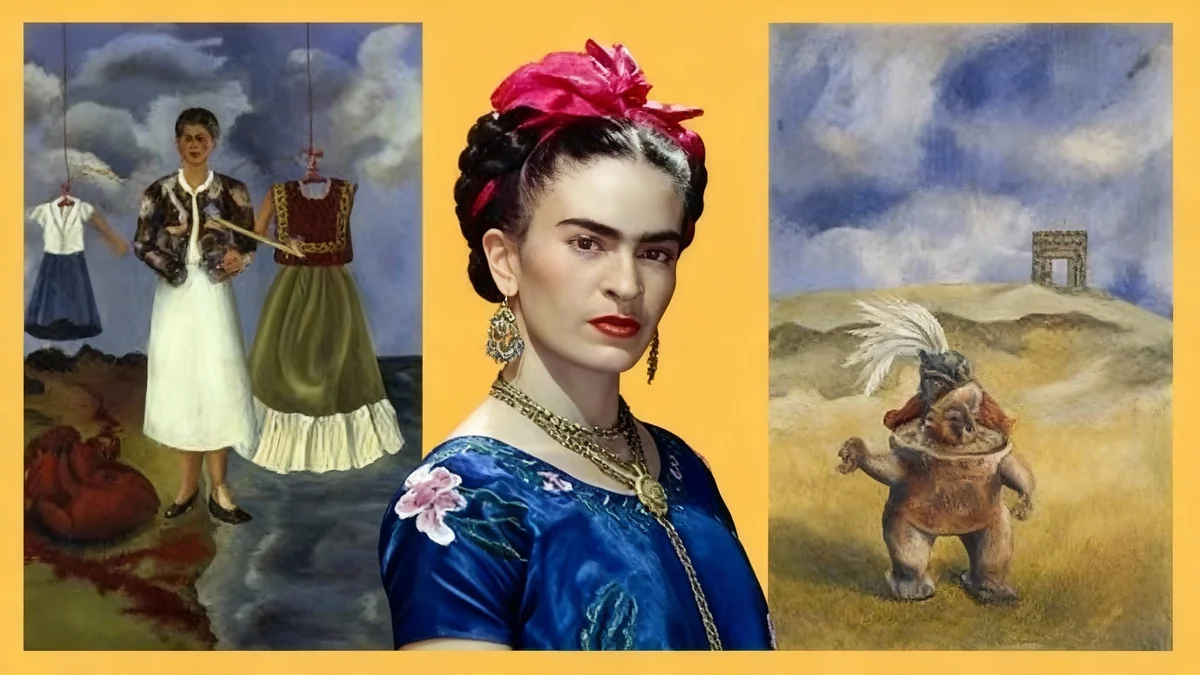


A new exhibition featuring the iconic Mexican artist Frida Kahlo at Tate Modern is facing significant hurdles in securing enough of her original paintings. Curators have managed to gather only 36 pieces for the upcoming show, a notable decrease from the over 50 artworks displayed during the gallery's last major Kahlo exhibition in 2005.
This scarcity highlights Kahlo's soaring global popularity and the increasing difficulty for institutions to borrow her highly sought-after works. Even prominent collectors, including pop superstar Madonna, who previously lent pieces, are reportedly holding onto their cherished Kahlo masterpieces.
Key Takeaways
- Tate Modern's new Frida Kahlo exhibition will feature 36 paintings, fewer than the 2005 show.
- Kahlo's global popularity and high market value make securing loans challenging.
- Madonna, a previous lender, is not loaning her Kahlo works for this exhibit.
- The exhibition explores Kahlo's impact on art history and her transformation into a global brand.
- A dedicated section will showcase over 200 pieces of Kahlo merchandise.
Rising Demand for Kahlo's Art
Frida Kahlo's artistic legacy has grown immensely in the two decades since Tate Modern's last major retrospective. Her works have become some of the most expensive and coveted by female artists globally. This increased demand directly impacts the availability of her paintings for public display.
Tobias Ostrander, a curator for the upcoming exhibition titled Frida: The Making of an Icon, confirmed the challenges. He stated that while the 36 selected works align with specific thematic goals, several desired pieces could not be secured. "Madonna is someone who did loan in 2005 but won’t loan now, for example," Ostrander noted, underscoring the shift in lending patterns.
Fast Fact: Kahlo's Market Value
In November, one of Frida Kahlo’s self-portraits sold for a record-breaking £41.8 million, illustrating her immense market value.
Focus on Influence and Iconography
Despite the limited number of original paintings, the exhibition aims to offer a fresh perspective on Kahlo's enduring impact. Catherine Wood, Tate Modern’s chief curator, explained that the 2005 exhibition was an early retrospective. This new show, opening in June, focuses more on how Kahlo "shaped the canon" for future generations of artists.
The exhibition will feature works by approximately 80 artists who have been influenced by Kahlo. These pieces will be displayed alongside some of Kahlo’s most celebrated works, including Untitled (Self-Portrait with Thorn Necklace and Hummingbird) and Self-Portrait in a Velvet Dress.
"When we showed her she was one of the relatively few female artists who were being shown in museums and entering the pretty much all-male canon," Wood said. "It is very interesting at this point to look at how she has shaped the canon for future generations."
The Journey to Global Phenomenon
Frida Kahlo, who passed away in 1954 at the age of 47, was relatively unknown during her lifetime. She often remained in the shadow of her husband, the renowned artist Diego Rivera. Until the 1990s, her works rarely fetched more than $500,000 at auction.
Interest in Kahlo surged dramatically in the 21st century. A significant boost came from the 2002 biopic starring Salma Hayek. Since then, her distinctive self-portraits have captivated institutions and private collectors worldwide.
Mexico's Protective Stance
Mexico maintains strict regulations on the export of Frida Kahlo's artworks. No piece can leave the country without official authorization, further complicating the process of acquiring loans for international exhibitions.
"Fridamania" and Commercialization
Beyond her artistic contributions, the exhibition will also delve into the phenomenon of "Fridamania." This section explores Kahlo's transformation into a global brand and the widespread commercialization of her image.
More than 200 objects of mass-market merchandise featuring Frida Kahlo's image will be on display. These items range from period pads to tequila bottles, showcasing the extensive reach of her iconic likeness in consumer culture.
Curator Tobias Ostrander highlighted Kahlo's own understanding of her image's value. Despite her communist beliefs, Kahlo was "clear about her image being a product or having an exchange value." He added, "One forgets that she was producing these self-portraits to sell."
Critical Look at Obsession
The exhibition intends to be "self-conscious about the idea of a blockbuster." It will critically examine why society has become so obsessed with Frida Kahlo, what people are buying, and what she truly symbolizes in contemporary culture.
Ostrander noted the proximity of the "Fridamania" section to the Tate Modern's gift shop. This strategic placement invites visitors to reflect on the commercial aspects of art and celebrity, even as they engage with Kahlo's profound artistic legacy.