The Studio Museum in Harlem is preparing to open its new home, a striking building designed by architect David Adjaye. This new facility aims to create a deeper connection between the museum and the vibrant community it serves, offering enhanced spaces for art and public engagement. The design itself reflects the complex history and ongoing evolution of Harlem.
Key Takeaways
- The Studio Museum in Harlem is opening a new building designed by David Adjaye.
- The design emphasizes the intertwined nature of history and identity.
- The new structure aims to integrate more deeply with the Harlem community.
- Increased exhibition space and public amenities are central to the new vision.
- The project represents a significant investment in cultural infrastructure for Harlem.
A New Architectural Landmark for Harlem
The new Studio Museum building stands as a bold architectural statement. Designed by British-Ghanaian architect David Adjaye, the structure replaces the museum's previous home, which was a renovated 1914 bank building. Adjaye's design focuses on creating a sense of openness and accessibility, inviting the public into its spaces.
The original institution, founded in 1968, was a pioneer in showcasing the work of artists of African descent. Its move into a purpose-built facility marks a new chapter, allowing for greater programming and a stronger physical presence in the community.
Did You Know?
The Studio Museum in Harlem was the first museum dedicated to artists of African descent in the United States when it opened in 1968.
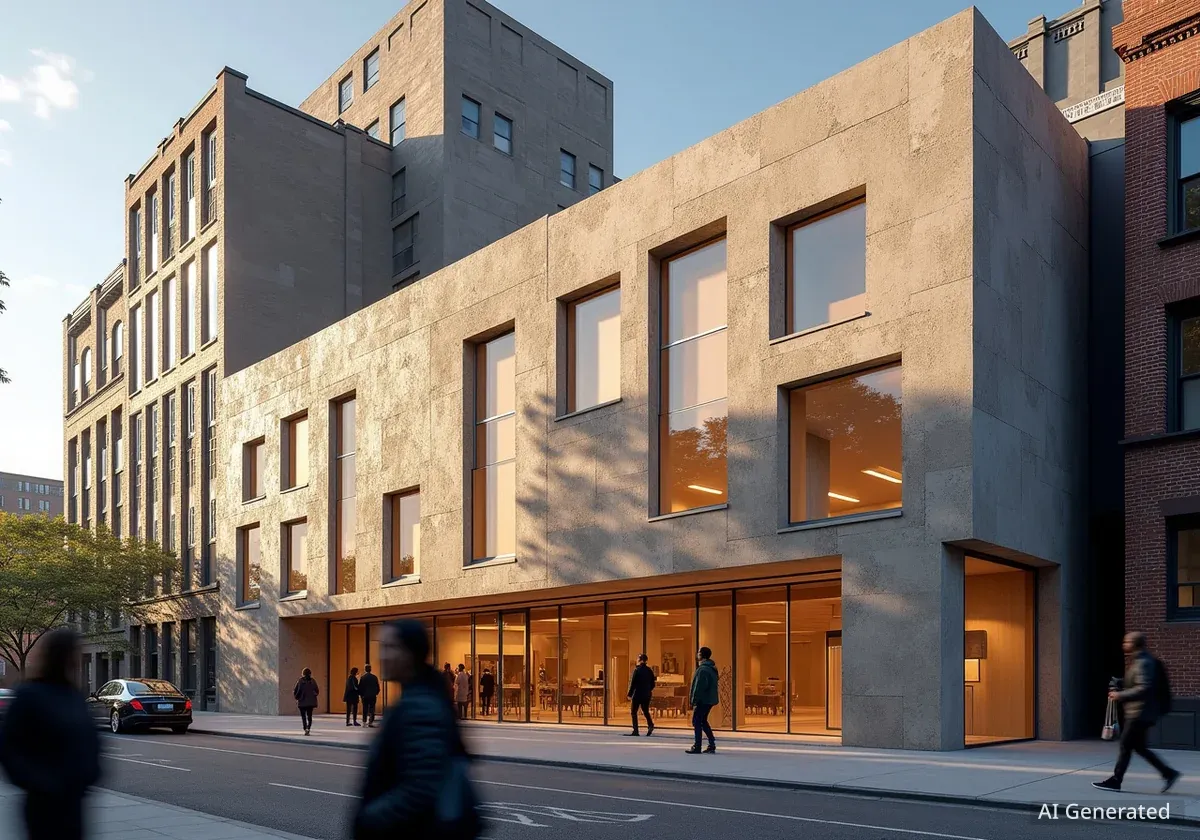
The building's exterior features a distinctive façade that draws inspiration from traditional African textiles and local Harlem brownstones. This blend of global and local influences is a hallmark of Adjaye's work, reflecting the museum's mission to connect African diaspora art with its immediate environment.
Connecting History and Modernity
The design philosophy behind the new museum building acknowledges the often-painful yet undeniable aspects of history. It seeks to make this history tangible, yet also beautiful and integrated into contemporary life. The building itself becomes a dialogue between the past and the present.
One of the core ideas is to create a structure that feels both monumental and welcoming. This balance is crucial for a cultural institution situated in a historically rich neighborhood like Harlem. The museum aims to be a place for reflection, education, and celebration.
"History can be excruciating but it is inalienable from who we are, and it should be easier to accept both those facts. A new home for the Studio Museum in Harlem, designed by David Adjaye, expresses both ideas and the tension between them, and it makes that tension beautiful."
The Studio Museum's Legacy
Over its more than five-decade history, the Studio Museum has played a vital role in launching the careers of numerous influential artists. Its Artist-in-Residence program has supported hundreds of emerging talents, solidifying its position as a crucial incubator for contemporary art.
The building's interior spaces are designed for flexibility, allowing for diverse exhibitions and public programs. There are dedicated areas for education, community gatherings, and interactive displays, all aimed at fostering a dynamic relationship with visitors.
Enhanced Spaces for Art and Community
The new facility significantly expands the museum's capacity. It features approximately 82,000 square feet of space, a substantial increase from its previous footprint. This expansion includes larger galleries, a new auditorium, and dedicated educational studios.
More exhibition space means the museum can display more of its permanent collection, which includes works by iconic artists, while also hosting ambitious temporary exhibitions. The increased size allows for a richer and more varied artistic experience for visitors.
- Expanded Galleries: Allows for more diverse and larger-scale exhibitions.
- New Auditorium: Provides a venue for lectures, performances, and film screenings.
- Educational Studios: Offers enhanced learning opportunities for all ages.
- Public Plaza: Creates an outdoor gathering space for community events.
The design also incorporates natural light throughout the building, creating bright and inviting environments for viewing art. This thoughtful approach to lighting enhances the visitor experience and highlights the artwork.
Integration with the Harlem Landscape
One of Adjaye's primary goals was to ensure the new building felt like an organic part of Harlem. The design aims to break down traditional museum barriers, making it feel less like an exclusive institution and more like an accessible community hub. The ground floor, in particular, is designed to be highly permeable, with large windows and welcoming entrances.
The museum's location on 125th Street, a central artery of Harlem, reinforces its role as a cultural anchor. The new architecture is intended to complement the existing urban fabric while also asserting its own distinct identity.
This project represents a significant investment in Harlem's cultural future. It is expected to draw more visitors to the neighborhood, benefiting local businesses and reinforcing Harlem's status as a global cultural destination. The Studio Museum is not just building a new home; it is building a stronger connection to its roots and its future.
A Vision for the Future
The Studio Museum's new building embodies a forward-looking vision while honoring its foundational principles. It is a space designed to inspire, educate, and provoke thought, continuing its legacy of supporting artists of African descent and engaging with critical cultural conversations.
The museum staff and community leaders express optimism about the impact of the new facility. They believe it will serve as a beacon for cultural expression and community pride, further cementing Harlem's place in the global art world.
The opening of the new Studio Museum in Harlem is more than just an architectural event; it is a cultural milestone. It signifies a renewed commitment to art, history, and community in one of New York City's most iconic neighborhoods.