
A long-standing debate in architecture, pitting traditional styles against modern designs, has seen renewed interest. Recent discussions highlight public sentiment and the opinions of key figures, including Albanian Prime Minister Edi Rama, on what architectural aesthetics truly resonate with communities. This exploration delves into whether people genuinely favor classical forms over contemporary structures.
Key Takeaways
- The debate between traditional and modernist architecture has resurfaced.
- Public preference for classical styles is a central point of discussion.
- Albanian Prime Minister Edi Rama has expressed his views on the relationship between architects and national identity.
The Enduring Appeal of Classical Design
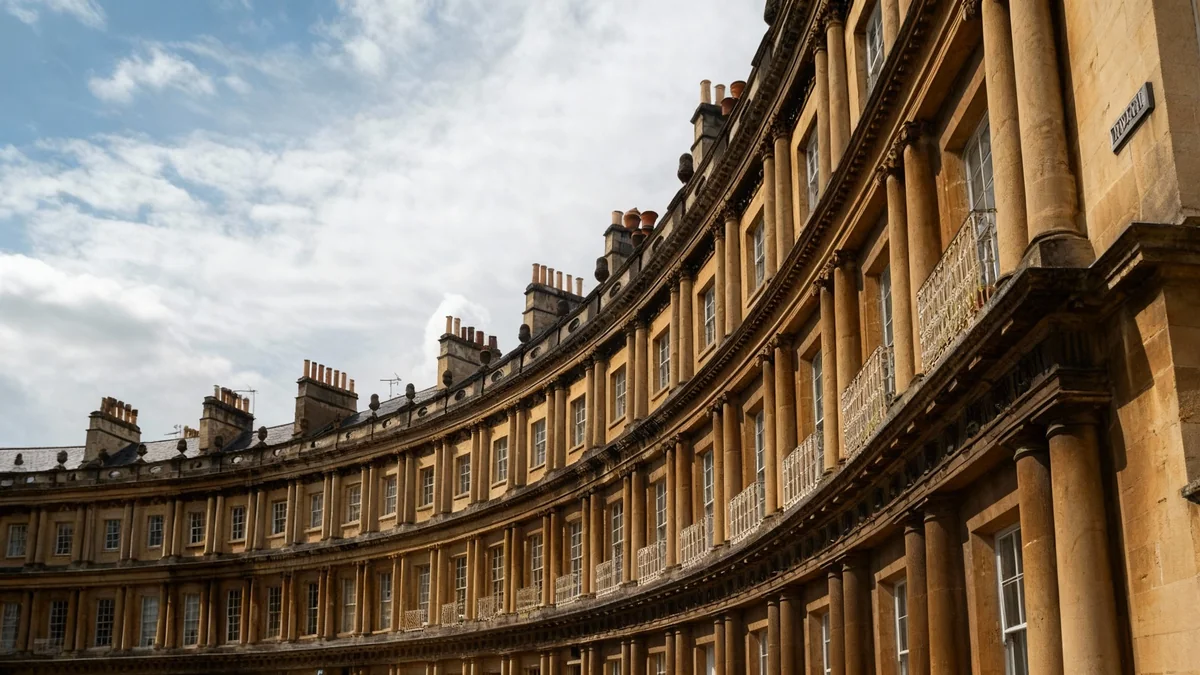
The discussion around architectural styles often boils down to a fundamental question: what do people prefer to see in their cities and towns? For many, classical and traditional architecture evokes a sense of history, familiarity, and aesthetic comfort. These styles often feature intricate detailing, symmetrical layouts, and materials that have been used for centuries, contributing to a perceived timeless quality.
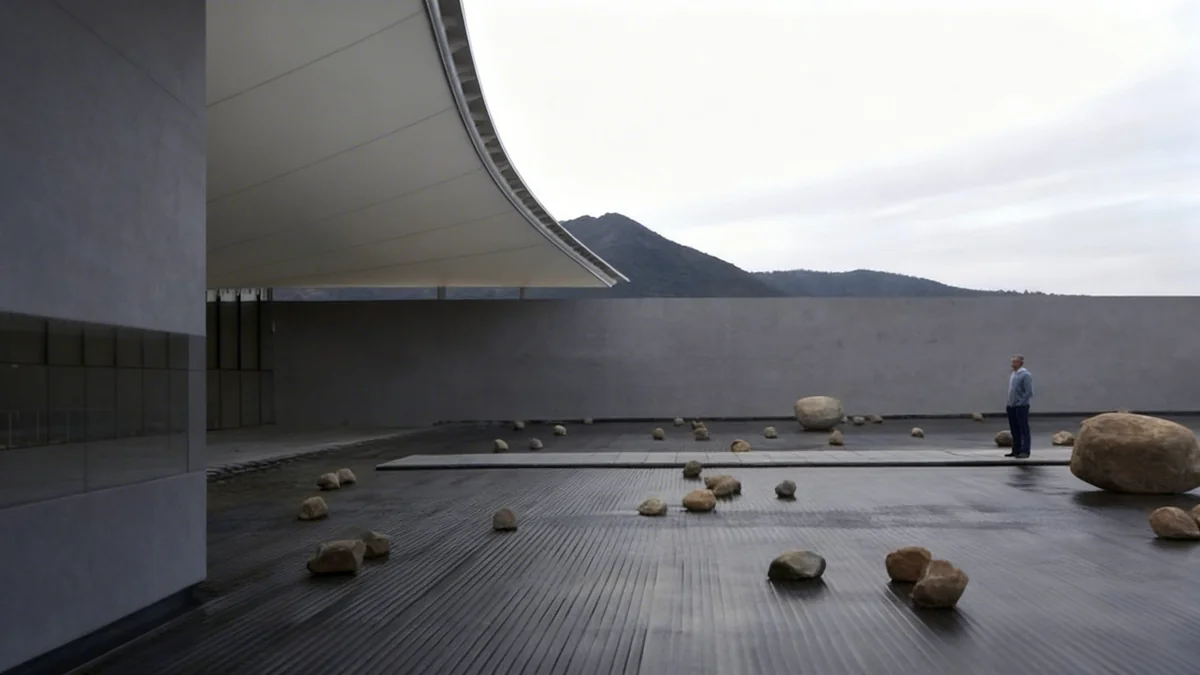
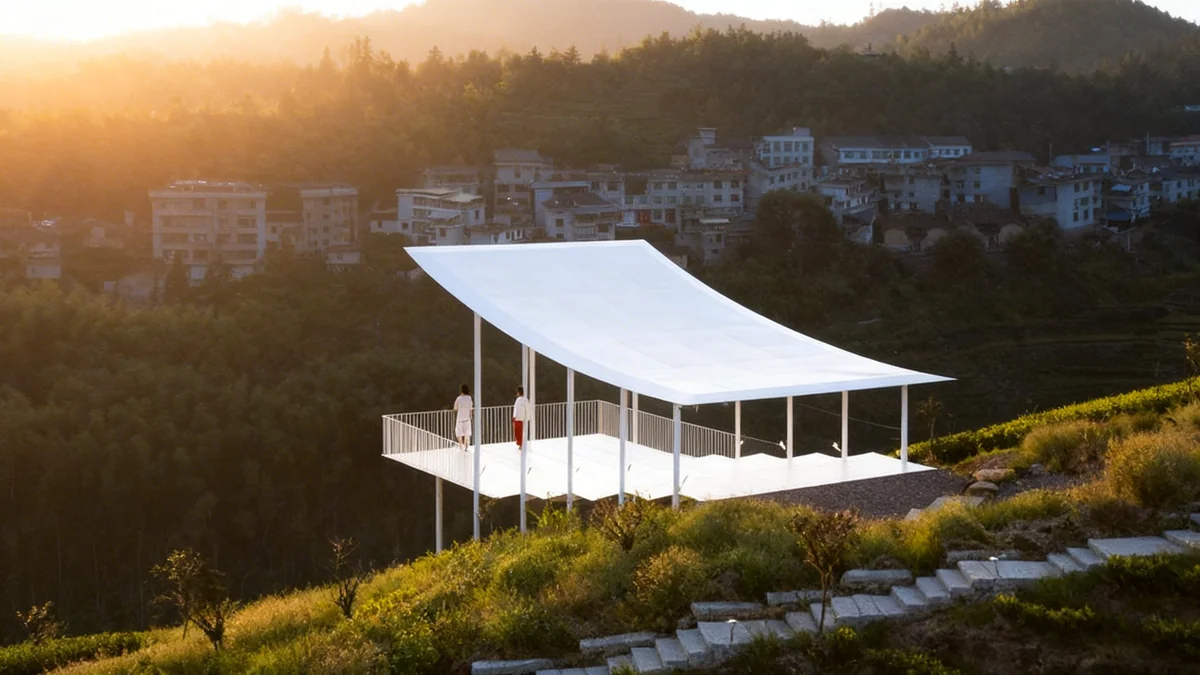
Modernist architecture, while celebrated for its innovation and functionality, sometimes faces criticism for being perceived as cold or alienating. Its emphasis on clean lines, minimalist forms, and new materials can be a stark contrast to older buildings. This contrast fuels the debate, especially when new developments are planned in historically rich areas.
Architectural Styles
- Traditional Architecture: Often characterized by historical elements, local materials, and regional styles.
- Modernist Architecture: Emphasizes functionality, clean lines, open spaces, and new industrial materials like steel and glass.
Political Influence on Architectural Trends
Political leaders can significantly influence architectural preferences and urban planning. Former US President Donald Trump, for example, openly advocated for classical architecture, which brought the traditional-versus-modernist debate back into public discourse. Such endorsements can shape national building policies and public funding for specific styles, impacting urban landscapes for decades.
This political involvement highlights that architecture is not just about design; it is also about cultural identity and national values. When leaders express strong preferences, it often reflects a broader societal discussion about heritage, progress, and how a nation wishes to represent itself through its built environment.
"We want love stories between architects and Albania," stated Albanian Prime Minister Edi Rama, emphasizing a desire for architecture that connects deeply with the nation's identity.
Rama's comment suggests a longing for buildings that are not merely functional but also embody a profound connection to the country's spirit and people. This perspective resonates with many who believe that architecture should tell a story and foster a sense of belonging.
The Role of Identity in Design
The concept of a 'love story' between architects and a nation points to a desire for bespoke designs that are deeply rooted in local context and culture, rather than generic global styles. This approach often leads to a preference for traditional elements or contemporary designs that thoughtfully integrate local heritage.
It also implies a collaborative process where architects understand and respond to the unique needs and aspirations of the community. This goes beyond simply erecting structures; it involves creating spaces that enhance quality of life and reflect shared values.
Public Opinion and Architectural Preferences
Determining public preference in architecture is complex. It involves more than just asking people what they like; it requires understanding how buildings affect their daily lives, their sense of community, and their connection to their surroundings. While some surveys might indicate a leaning towards traditional aesthetics, the reasons behind these preferences are varied.
Factors such as familiarity, perceived comfort, and historical significance often play a large role. People tend to feel more at ease in environments that echo historical forms, which they have grown up with and associate with stability and heritage. Modern buildings, particularly those that are highly experimental, can sometimes challenge these ingrained perceptions.
Contextual Architecture
Contextual architecture refers to designs that respond to their immediate environment, including historical buildings, natural landscapes, and cultural nuances. This approach often blends traditional elements with modern functionality.
The rise of national symbols, such as the increasing visibility of St George's flags across England, can also be seen as part of a broader trend towards celebrating national identity. This cultural shift might subtly influence preferences for architectural styles that reinforce a sense of national character and tradition.
Bridging the Divide: Traditional Elements in Modern Design
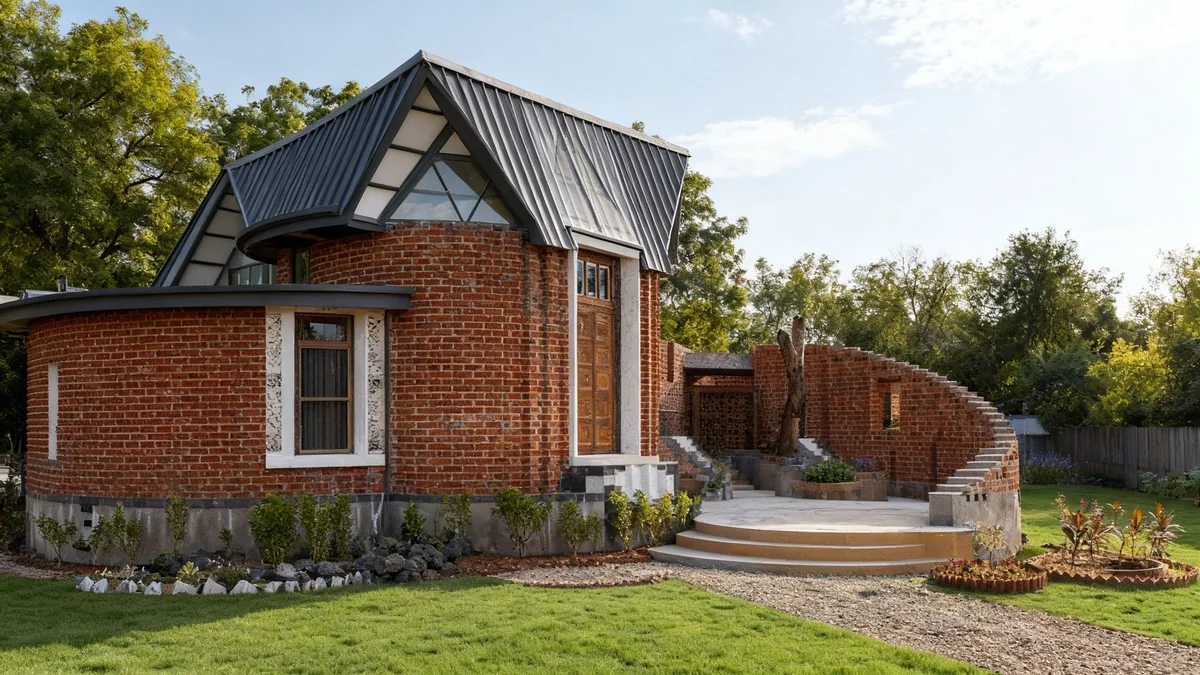
Many contemporary architects are now exploring ways to integrate traditional elements into modern designs, creating a harmonious blend that respects history while embracing innovation. This approach can help bridge the gap between those who prefer classical forms and those who advocate for modernism.
For instance, a modern building might use local stone or timber in a contemporary way, or incorporate traditional patterns into its facade. This thoughtful integration can lead to structures that feel both new and familiar, appealing to a wider range of public tastes.
- Adaptive Reuse: Transforming old buildings for new purposes, often preserving their traditional exteriors while modernizing interiors.
- Regional Modernism: Contemporary designs that draw inspiration from local climate, culture, and materials.
Ultimately, the discussion is not just about choosing one style over another, but about understanding how architecture shapes our environment and our identity. It is about creating spaces that are functional, beautiful, and meaningful to the people who inhabit them, whether they lean towards the classical or the cutting-edge.