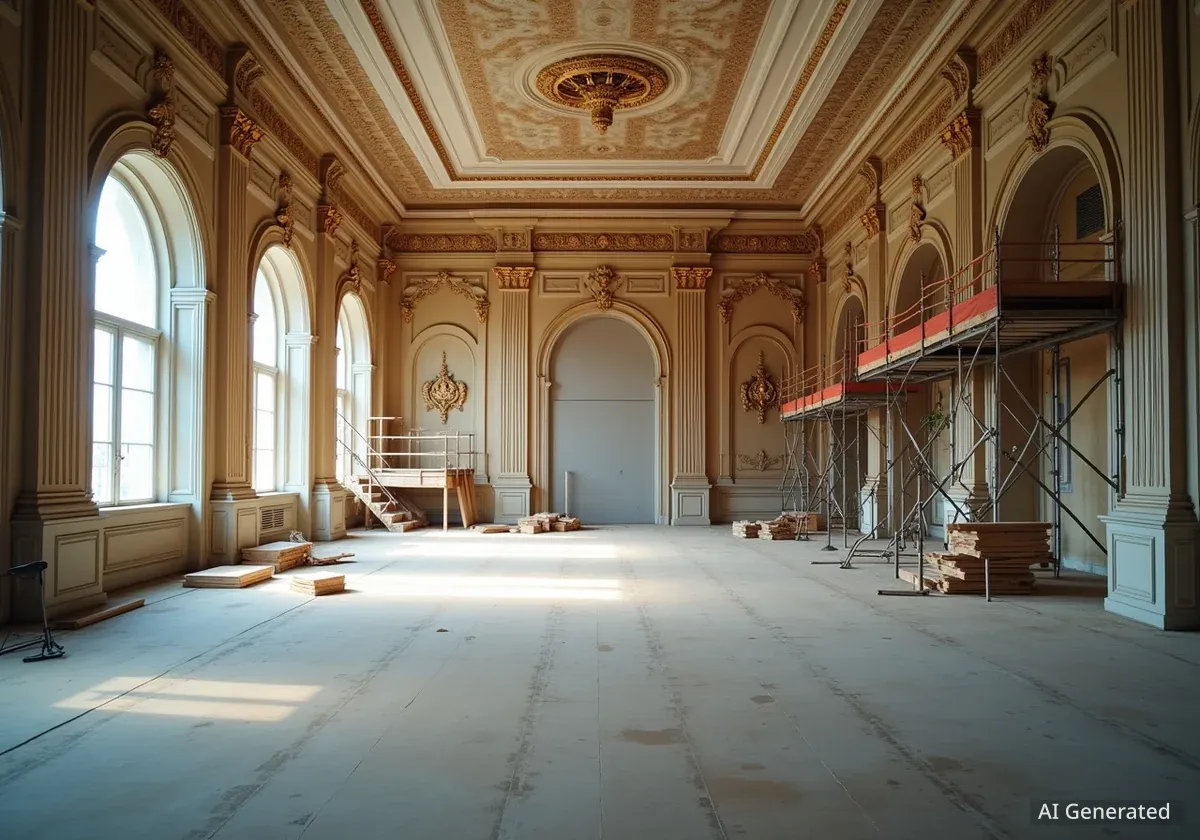
A new architect has taken the helm of the White House ballroom renovation, a project that has drawn significant attention. This development comes as President Trump's vision for the East Wing expansion reportedly grows in both scale and cost.
Shalom Baranes, a prominent figure in Washington D.C.'s architectural landscape, is now leading the ambitious redesign. His firm, based in Georgetown, is well-known for its extensive portfolio across the capital.
Key Takeaways
- Shalom Baranes is the new lead architect for the White House ballroom.
- Baranes' firm has a long history of significant D.C. projects and historical preservation.
- The project's scope and cost have reportedly increased under President Trump's direction.
- Baranes replaces James McCrery, who stepped down due to scope disagreements.
A Veteran Architect for a High-Profile Project
Shalom Baranes brings a wealth of experience to the White House project. His firm, Shalom Baranes Associates, has been instrumental in shaping many iconic structures across Washington D.C. This includes the redesign of the Pentagon following the September 11th attacks, a monumental undertaking that showcased his firm's capability in complex, high-stakes environments.
His work also extends to federal buildings such as the Department of Homeland Security headquarters and the Treasury Building. The firm has received numerous awards, particularly for its dedication to historical preservation, a crucial aspect for any work involving the White House.
Interesting Fact
Shalom Baranes' firm won awards for its historical preservation efforts, despite Baranes himself expressing a defense of Brutalist architecture, a style President Trump is known to dislike.
Contrasting Architectural Styles
While Baranes is now involved in a project for an administration known for its preference for classical aesthetics, his own portfolio reveals a broader range of styles. He has publicly defended Brutalist architecture, a stark contrast to President Trump's known distaste for the style, famously seen in his criticism of the FBI's headquarters.
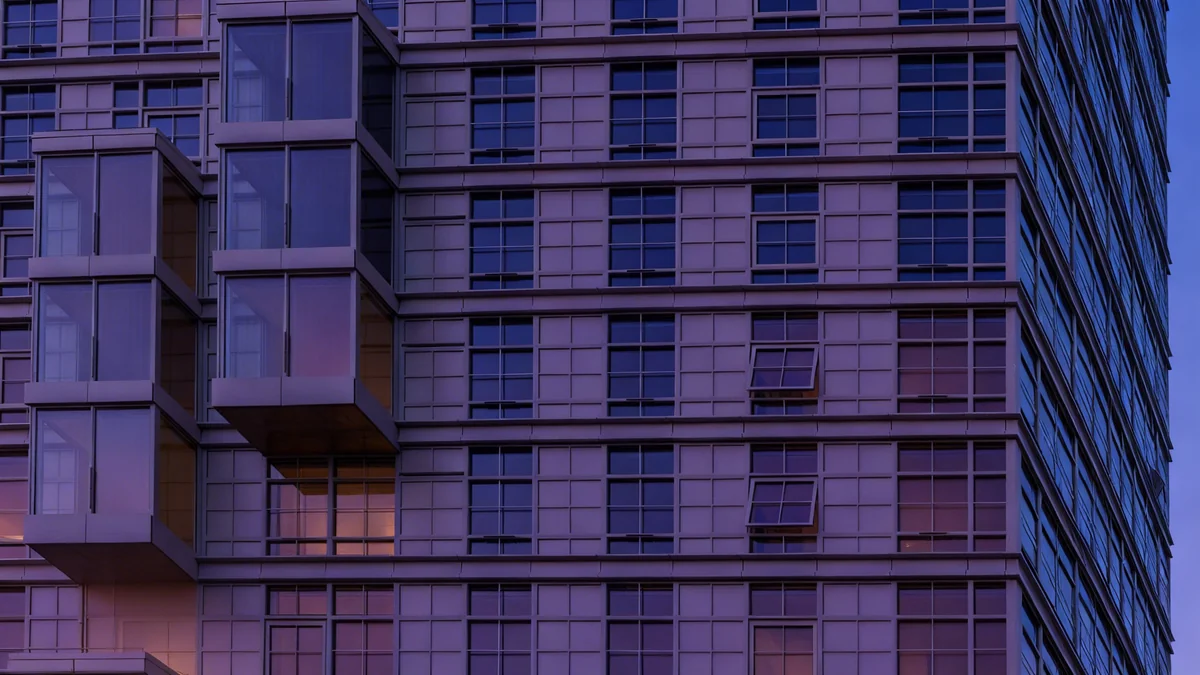
Beyond federal commissions, Baranes has also designed several high-profile projects in D.C. that do not align with a purely classical aesthetic. These include the modern City Center, the Georgetown Ritz-Carlton, and the Nigerian Chancery. His firm has also contributed to large-scale developments in Tysons, such as The Boro.
An Immigrant Story Amidst Policy Debates
Shalom Baranes' personal history offers a compelling narrative, especially in light of recent political discourse on immigration. He was born in Italy in the 1950s after his parents fled Libya due to Jewish persecution. They later relocated to the United States, establishing a new life.
During President Trump's first administration, Baranes penned an op-ed for the Washington Post. In it, he shared his family's refugee journey and urged the administration to consider making its travel ban on immigrants temporary. This personal background adds another layer of intrigue to his selection for such a significant White House role.
"Baranes' work has shaped the architectural identity of our nation's capital for decades and his experience will be a great asset."
Project Background
The White House ballroom project has been a subject of discussion for some time. It is intended to be a significant addition to the executive residence. The White House administration has described it as potentially the "greatest addition to the White House since the Oval Office."
Leadership Change and Project Scope
Baranes replaces James McCrery, a local architect who was previously leading the project. Reports indicate that McCrery and President Trump had disagreements over the expanding scope of the renovation. McCrery's firm, known for its work on churches, libraries, and homes, was perhaps less equipped for a project of this scale and complexity.
Sources suggest that the parting of ways was amicable, with McCrery reportedly remaining on as a consultant for the project. This transition highlights the substantial nature of the ballroom expansion and the need for a firm with extensive experience in large-scale public works.
Approvals and Internal Dynamics
The White House plans to submit the designs for the ballroom to the National Capital Planning Commission this month. This commission, which oversees federal development in the D.C. area, is now predominantly composed of Trump appointees, potentially streamlining the approval process.
Beyond the formal planning stages, there have been reports of construction work on the Executive Manse extending into the night. This has reportedly caused friction within the White House, with the First Lady reportedly asking the President to address the noise. His response, according to reports, was a simple, "Sorry, darling, that's progress." This anecdote offers a glimpse into the internal dynamics surrounding the ongoing renovation efforts.
The Impact of the Ballroom Expansion
The new ballroom is expected to significantly enhance the White House's capacity for hosting events and official functions. Its design and construction will undoubtedly become a notable part of the building's history, reflecting the architectural preferences and needs of the current administration.
The involvement of Shalom Baranes, with his diverse portfolio and deep understanding of D.C.'s architectural fabric, suggests a project that will balance historical context with modern demands. His firm's reputation for historical preservation will likely be a key asset in navigating the sensitivities of working on such a revered national landmark.
- The project is seen as a major expansion for the White House East Wing.
- It aims to provide more space for official functions and gatherings.
- The National Capital Planning Commission will review the plans.