
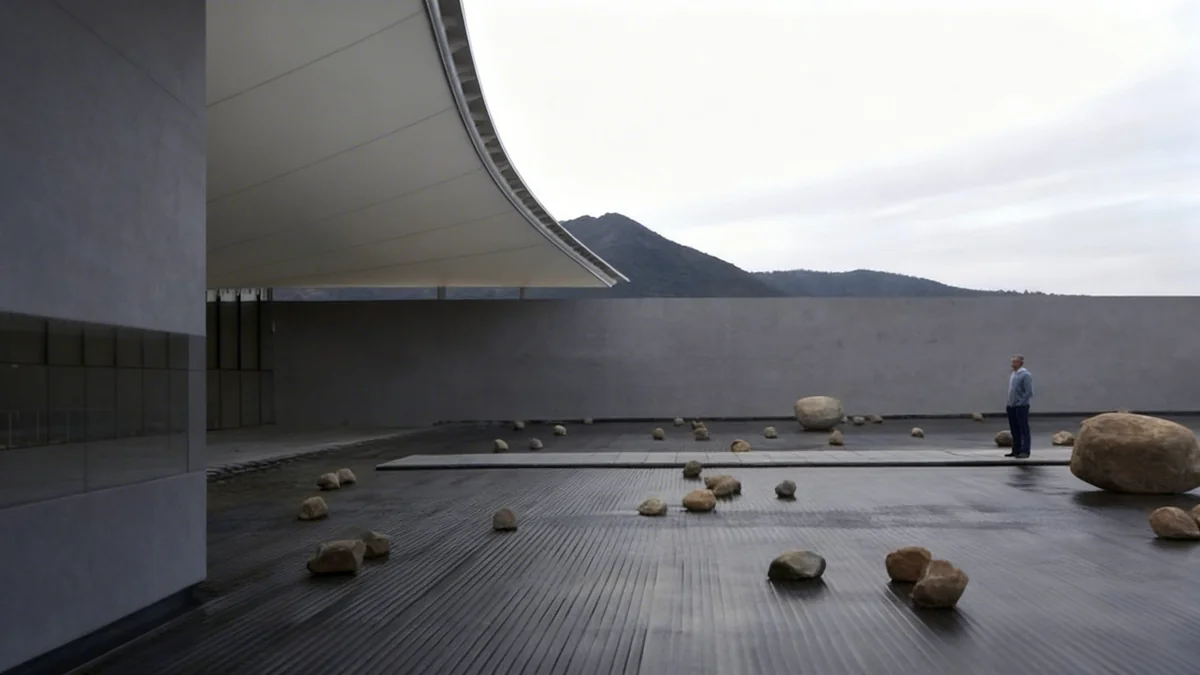


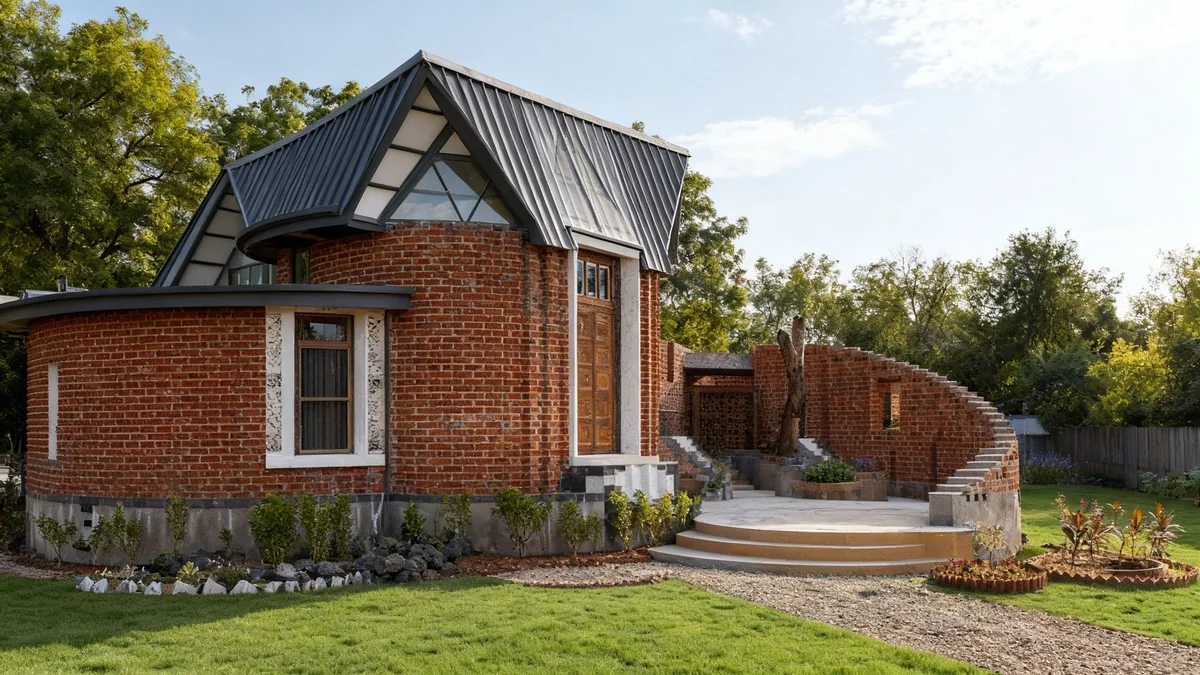
Architect Frida Escobedo is designing two significant new cultural spaces in New York City, both located on Manhattan's Fifth Avenue. The projects include a $550 million modern and contemporary art wing for the Metropolitan Museum of Art and a new home for the historic National Black Theatre in Harlem, positioning the Mexico City-born architect at the forefront of the city's evolving cultural landscape.
These commissions mark a significant moment for Escobedo, who founded her own studio in 2006. At 45, she is the first woman to design a wing for the Met in its 155-year history. The two projects, though different in scale and purpose, reflect her approach to creating adaptable and community-focused spaces.
Key Takeaways
- Architect Frida Escobedo is leading two major cultural projects on Fifth Avenue in New York City.
- The first is a new $550 million Tang Wing for Modern and Contemporary Art at the Metropolitan Museum of Art, set to open in 2030.
- The second is a new permanent home for the National Black Theatre in Harlem, scheduled for completion in 2027.
- Escobedo is the first female architect to design a wing for the Met.
- Both designs emphasize flexibility, community engagement, and a connection to their specific urban environments.
A Tale of Two Institutions on Fifth Avenue
Over the next several years, two distinct cultural landmarks will take shape along a 40-block stretch of Fifth Avenue. On the Upper East Side, the Metropolitan Museum of Art will unveil a new wing dedicated to modern and contemporary works. Further north in Harlem, the National Black Theatre (NBT) will move into a purpose-built facility within a new residential tower.
Leading both architectural undertakings is Frida Escobedo. Before these high-profile commissions, she had not completed a cultural building of this magnitude in New York. Her selection for both projects highlights a rising career defined by significant achievements, often as the first or youngest in her field.
An Independent Path in Architecture
Frida Escobedo established her own studio in Mexico City in 2006, choosing an independent route rather than rising through the ranks of established firms. Her early work focused on creating interactive and adaptable public spaces. A key international recognition came in 2018 when she was chosen to design the prestigious Serpentine Pavilion in London.
Reimagining the Metropolitan Museum of Art
At the Metropolitan Museum of Art, Escobedo is tasked with designing the Tang Wing for Modern and Contemporary Art. The project, with a budget of $550 million, aims to provide a prominent and thoughtfully designed space for a collection that has historically been underrepresented within the museum's vast architectural footprint.
The new wing is scheduled to open in 2030. Renderings show a five-story structure featuring two large terraces and a distinctive latticed facade that directly overlooks Central Park. This design intends to give the modern art collection a sense of reverence and place that it previously lacked.
A Collaborative and Forward-Looking Approach
David Breslin, the curator in charge of modern and contemporary art at the Met, noted that Escobedo's relative lack of experience with projects of this scale was not a concern. He explained that the sheer size of the undertaking would make it the largest project for nearly any architect chosen.
"We’re really building something for the future — and so we want to open up possibilities and not close them down," Breslin said, highlighting the benefit of working with an experimental and open-minded architect.
Breslin also praised Escobedo's process, stating, "Artists love her, and artists are, a lot of the time, her first collaborators. I think she brings that same sense of real inquiry." To fully immerse herself in the project, Escobedo set up an office inside the museum for a year, working closely with its staff.
Designing for an Evolving Collection
The Tang Wing must accommodate a diverse and growing collection that includes photography, paintings, sculpture, and video installations. Escobedo's design philosophy challenges the traditional idea of flexibility as a neutral, reprogrammable box. Instead, she believes that architectural specificity—a variation of spaces with different scales and relationships—is what truly allows for future adaptability.
A New Home for the National Black Theatre
Approximately two miles north of the Met, Escobedo is also designing the new home for the National Black Theatre. Founded in 1968 by Dr. Barbara Ann Teer, the NBT is one of the country's longest-running Black theaters, dedicated to celebrating and exploring Black culture.
The theater will be located in the lower floors of Ray Harlem, a 21-story mixed-use residential building. The new 27,000-square-foot space is set to open in 2027 and will feature two performance venues: a 250-seat flexible theater and a smaller 99-seat space.
Architecture as a Form of Listening
Sade Lythcott, CEO of the NBT and daughter of its founder, described Escobedo as a "deep listener." Lythcott shared the history of the theater as a "temple for liberation" founded during a time when Harlem needed reinvestment and renewal.
"How Frida responded was by far the most thoughtful, the most balanced and the most radical approach to what this hub of cultural ingenuity needed to be: a monument of Black imagination with a very refined and balanced hand," Lythcott stated.
The design process was highly collaborative, involving Marvel Architects, Handel Architects, and interior design firm Little Wing Lee. It also includes plans for contributions from contemporary artists like Sanford Biggers.
Connecting with the Community
A key inspiration for the NBT's design was the residential stoop, a central feature of public and social life in Harlem. Escobedo sought to translate the feeling of this threshold between public and private space into the theater's architecture.
The design aims to make the theater feel permeable and visible from the street, fostering a sense of inclusion and belonging. "We wanted to be explicit about theater having to connect folks together, and — literally — our windows look into our neighbors windows," Lythcott explained.
- The design promotes visibility to engage passersby.
- Interior spaces are meant to feel connected to the street.
- The concept of the stoop informed the layout of private boxes and public areas.
Building a Practice on New Challenges
Reflecting on her career, Escobedo acknowledged the difficulty of building a practice without the traditional background of working at large, established firms. She said that securing trust for a practice without extensive previous experience has been a significant challenge.
"What I’ve learned is that I want to become very good at doing things for the first time," Escobedo said. "It’s about staying curious and engaged and not seeing it as something that you have complete knowledge of."
Having two major projects on the same historic Manhattan avenue is a milestone she would have never imagined when starting her career. Her work on both the Met and the NBT demonstrates a unique ability to respond to different historical contexts and community needs while maintaining a distinct architectural vision.