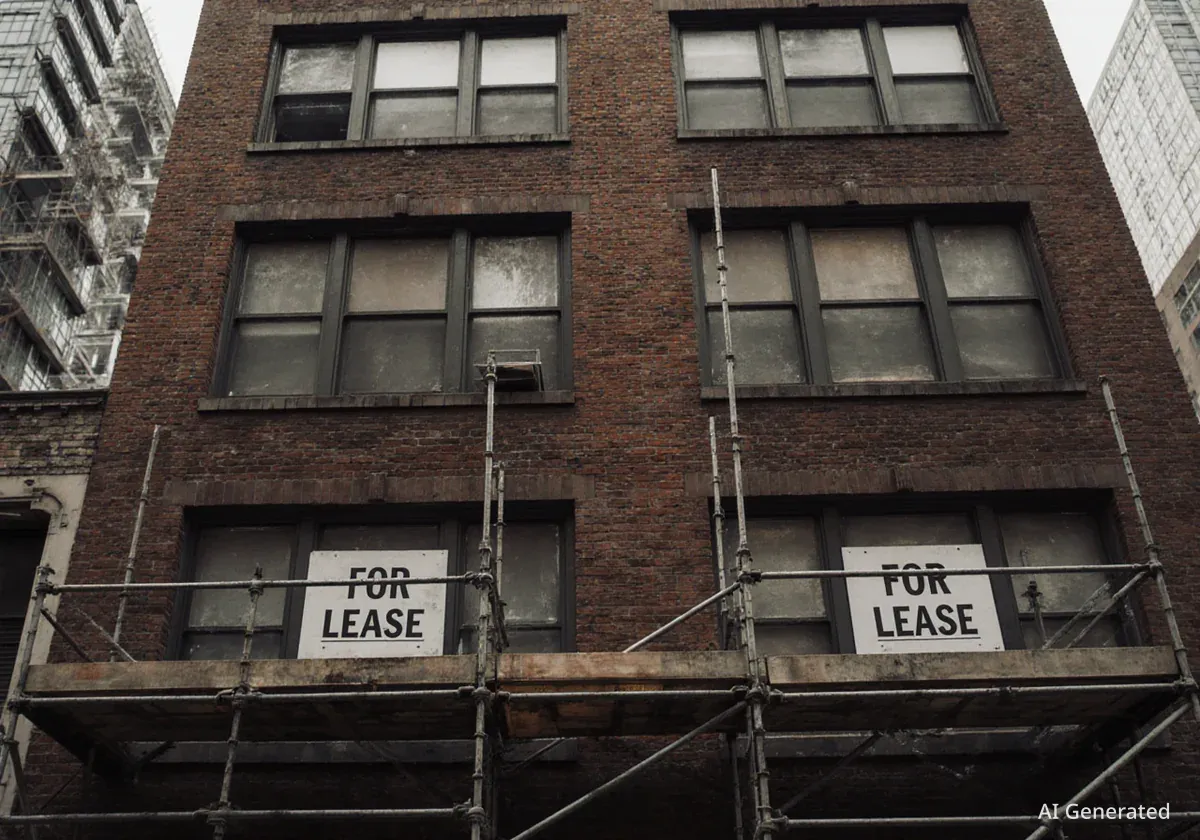
A former city office building in Tribeca, vacant for nearly a decade, is moving forward with plans to become a luxury residential tower. The Manhattan Community Board 1 recently approved the expansion and conversion of 101 Franklin Street, formerly known as 250 Church Street, paving the way for a 21-story condominium building with 72 apartments.
This project marks a significant step in the ongoing trend of office-to-residential conversions in New York City, particularly in highly desirable neighborhoods like Tribeca. The proposal now moves to the Department of City Planning for further review.
Key Takeaways
- 101 Franklin Street will convert from a 17-story office building to a 21-story residential tower.
- The project will include 72 market-rate condominiums and nearly 2,700 square feet of retail space.
- Steven Harris Architects will lead the design, aiming for a traditional Downtown aesthetic.
- This conversion adds to Tribeca's growing luxury residential market.
From Vacant Office to Upscale Living
The building at 101 Franklin Street, originally constructed in 1948, has been empty since 2017. Its previous anchor tenant, the city's Human Resources Administration and Department of Social Services, relocated to 4 World Trade Center.
Initial plans for modern offices with extensive amenities, designed by Gensler and Rafael Viñoly, did not come to fruition. Now, a new vision is taking shape, focusing on high-end residential living.
Project at a Glance
- Original structure: 17 stories, built 1948
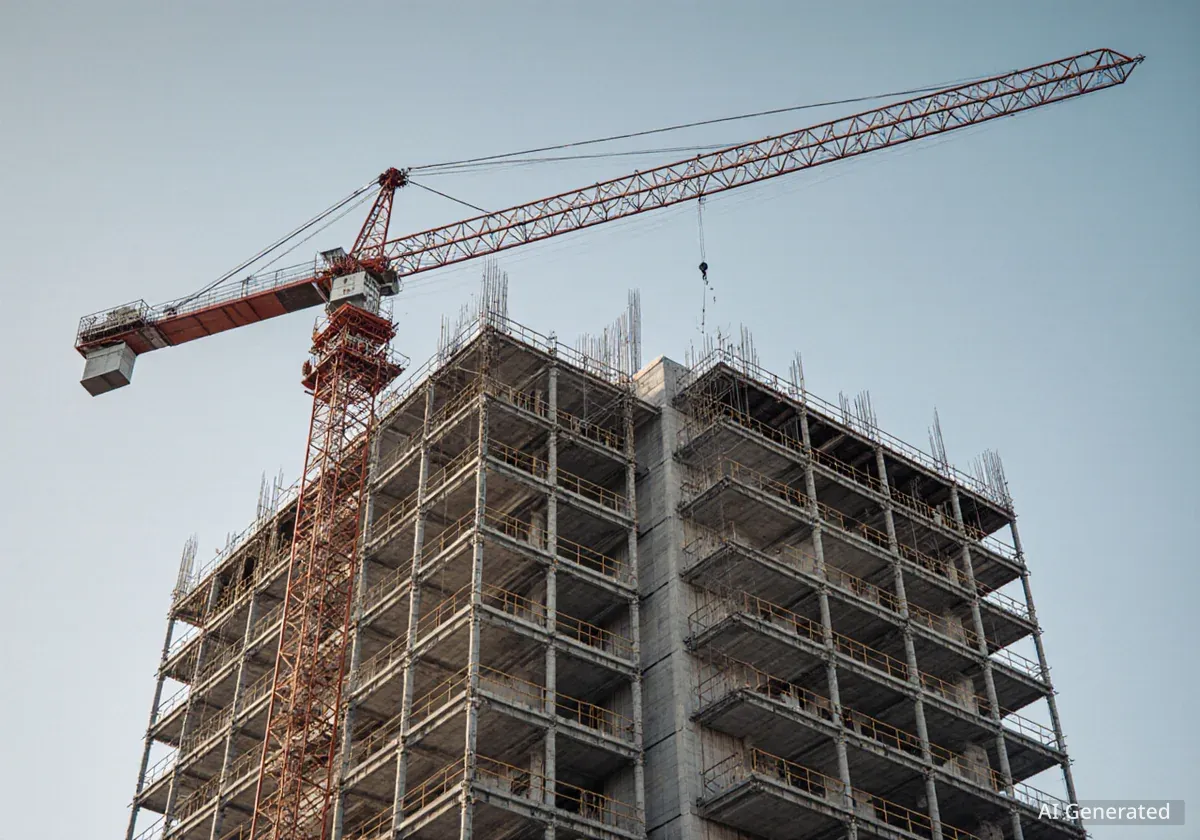
- New structure: 21 stories, 314 feet tall
- Total apartments: 72 market-rate condominiums
- Retail space: Approximately 2,700 square feet
- Parking: 15 spaces
Developers for the project include Skylight Real Estate Partners, Cannon Hill Capital Partners, and TPG. They propose adding about four floors to the existing structure, increasing its height to 314 feet, including the bulkhead.
If the necessary zoning changes and conversion plans are not approved by the city, the owners have an alternative strategy. They plan to renovate the building into Class A office space, complete with ground-floor retail, and rent it out.
Design and Aesthetic Vision
Tribeca-based Steven Harris Architects will lead the design of 101 Franklin Street. Rees Roberts + Partners will handle the interior design, with Hill West Architects serving as the executive architect for the project.
"I have lived and worked in Tribeca for decades, and that long relationship has given me a deep appreciation for its history, architecture, and community," Steven Harris of Steven Harris Architects stated. "At 101 Franklin, our aim is to create a building that reflects that understanding, honors the authenticity of its materials, and adds lasting value for residents and the neighborhood alike."
Early architectural drawings suggest a more traditional Downtown aesthetic. The design features punched multi-pane windows and shallow setbacks, aiming to integrate seamlessly with the historic character of the neighborhood.
Views and Neighborhood Context
While 101 Franklin Street will not offer the same panoramic views as some of Tribeca's tallest towers, it promises appealing vistas. Residents will enjoy open views across Downtown’s prewar architecture.
Upper floors are expected to provide glimpses of the Hudson River and the Midtown skyline. The building sits across from 56 Leonard Street, famously known as the "Jenga Building" for its distinctive, pixelated design.
Tribeca's Luxury Market
Tribeca continues to be a hotspot for luxury residential development. Properties like 56 Leonard command prices between $2,500 and $6,000 per square foot, with premium units offering extensive views.
Other notable developments in the area include 450 Washington Street, which launched sales for 176 residences priced from $1 million to $12 million. The neighborhood consistently ranks among the top for new development condo sales in Manhattan.
The Trend of Office-to-Residential Conversions
This project at 101 Franklin Street is part of a broader trend across New York City. Developers are increasingly looking to convert underutilized office buildings into much-needed residential units.
Reports indicate that the first wave of these conversions could create over 17,000 new homes across the city. This strategy addresses both the increased demand for housing and the challenges faced by the commercial real estate market.
Many older office buildings are becoming less desirable for businesses, making residential conversions a viable and often lucrative option for developers. These projects frequently incorporate modern amenities and design elements to attract buyers.
Past and Future Conversions
- A Financial District office tower is slated to become a 796-unit residential building.
- Developers have transformed historic structures, like the former New York Life Insurance Company site at 346 Broadway, into luxury condominiums. This project, also known as 108 Leonard Street, features 140 units, with a penthouse priced over $20 million.
- Even landmarked elements, such as the clock tower at 346 Broadway, have been subject to legal battles over public access during conversions.
The success of these conversions relies heavily on city approvals and market demand. Tribeca’s strong appeal for luxury buyers makes it an attractive location for such ambitious projects.
The conversion of 101 Franklin Street represents another chapter in Tribeca's evolution. It combines historical preservation with modern living, contributing to the dynamic urban fabric of Lower Manhattan.