


Interior design experts consistently identify specific features that instantly mark a living room as outdated. These elements range from obvious stylistic choices to subtle details that have quietly evolved over time. Understanding these common pitfalls can help homeowners refresh their spaces and create a more current aesthetic.
Key Takeaways
- Pleated lampshades and certain fabric colors like icy gray or heavy gold signal outdated design.
- Bulky entertainment centers and wall-to-wall carpeting are clear indicators of an older style.
- Matching furniture sets and era-specific accessories can make a room feel stagnant.
- Cool white lighting and brushed nickel fixtures are giving way to warmer tones and mixed metals.
- Modern design favors mixed materials, neutral linens, sleek technology integration, and evolving artistic elements.
Lampshades and Lighting Reveal Age
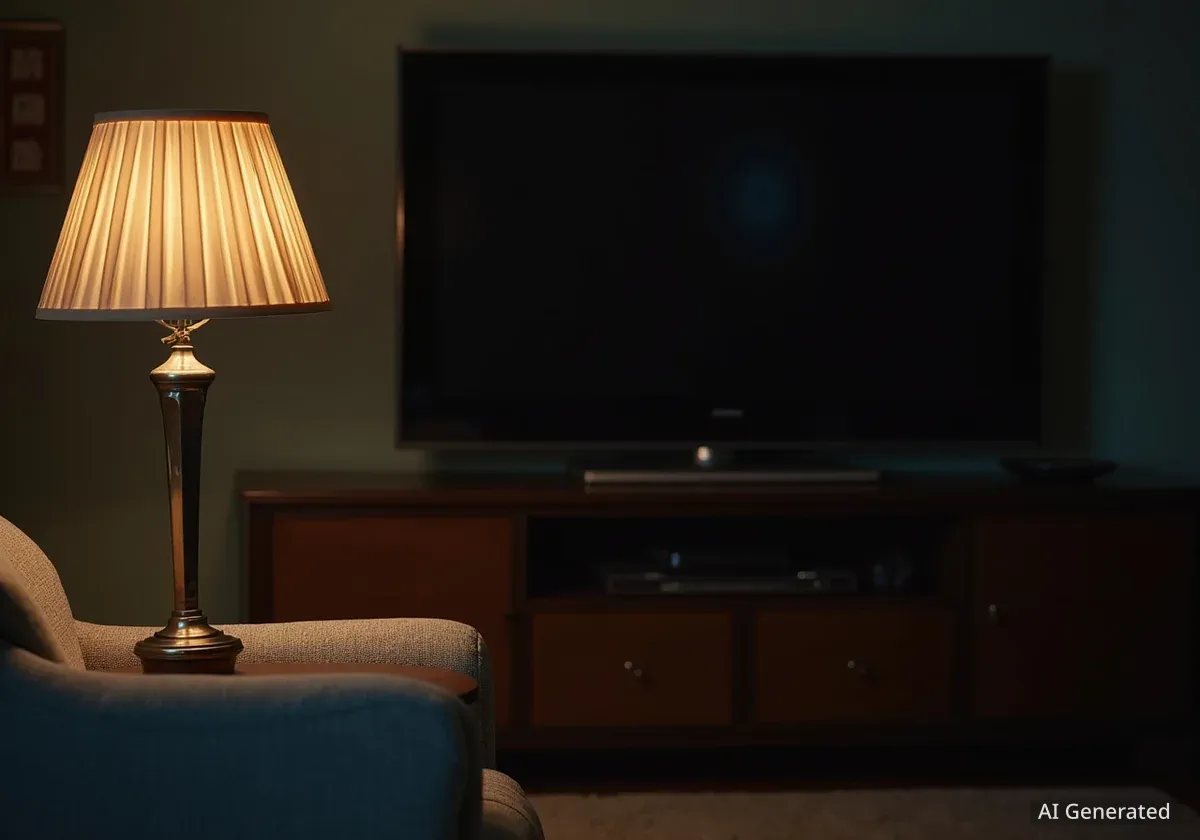
One of the most surprising indicators of a dated living room can be its lampshades. Lisa Simopoulos, founder of Simopoulos Designs, notes that lampshade styles change subtly but significantly. For example, the frilly, pleated designs popular in the 1980s have been replaced by cleaner, more minimalist silhouettes in contemporary interiors.
Simopoulos emphasizes that even a small detail like a lampshade can have a large impact. Clients often update an entire room but overlook these smaller elements, which can undermine the overall refreshed look.
Quick Fact
Lampshade styles quietly evolve, with cleaner silhouettes now preferred over the frilly, pleated designs popular in previous decades.
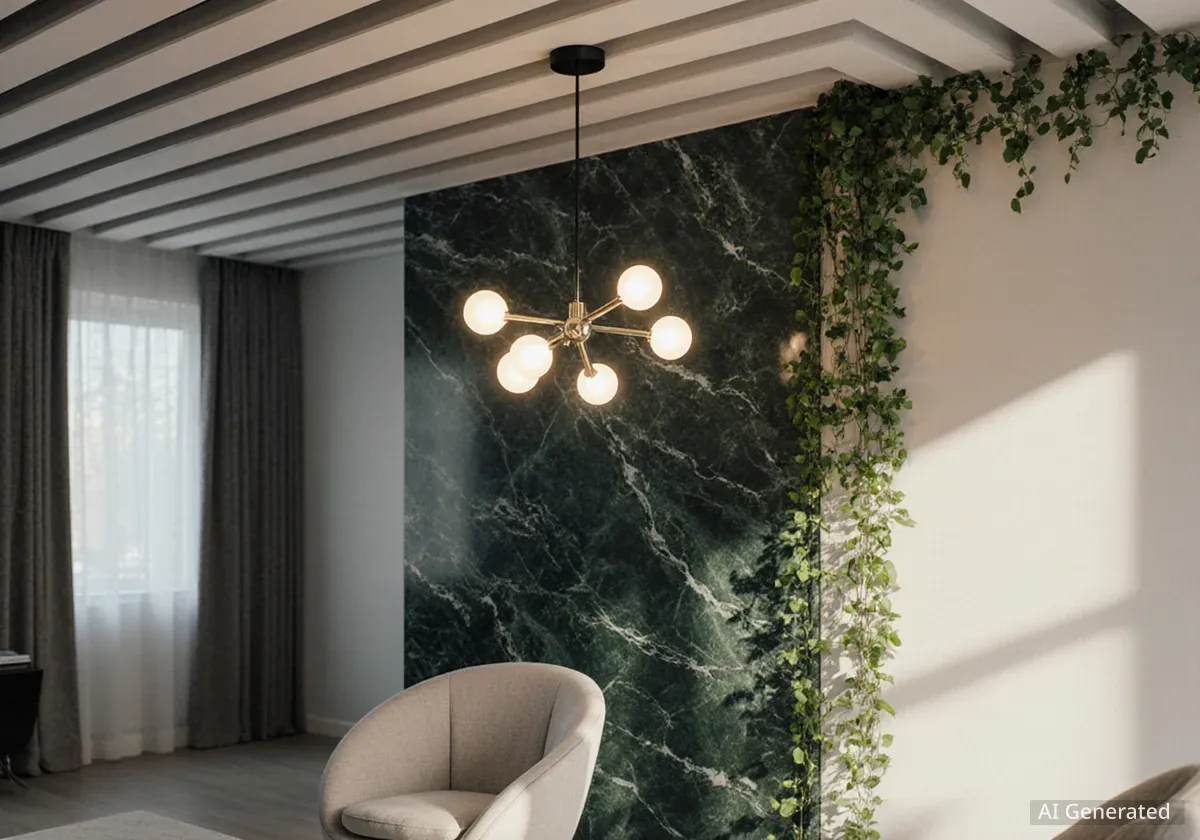
Beyond lampshades, the entire lighting scheme plays a crucial role. Simopoulos points out that a room's lighting temperature acts as a subtle timestamp. The cool white lighting and brushed nickel fixtures prevalent in the 2010s are no longer the preferred choice. Today's trend leans towards warm, natural-looking light, often paired with fixtures made of aged brass or a mix of metals.
Fabric Choices and Textures Matter
The fabrics used in a living room also immediately signal its design era. Each period has its characteristic textures and color palettes. Modern fabrics often feature natural materials like linens or bouclé, presented in soft, neutral tones.
In contrast, specific colors can instantly date a space. Icy gray fabrics, for instance, are strongly associated with the 2010s, while heavy gold tones often recall the early 2000s. Designers advise moving away from these specific, era-bound color and texture combinations to achieve a more timeless feel.
"Each era has its telltale textures and tones," says Lisa Simopoulos, highlighting how fabric choices reflect design trends.
Bulky Entertainment Centers Are Out
Technology has evolved rapidly, and so has the way we integrate it into our living spaces. Jody Jones, founder of Blue Indigo Designs, identifies large, bulky entertainment units as a clear sign of an outdated living room. Modern televisions are sleek and designed to blend seamlessly into a room's decor.
Jones aims to ensure that entertainment centers do not become the dominant feature of a room. Instead, she seeks ways to integrate them harmoniously with other design elements, often through custom cabinetry or wall-mounted solutions that minimize their visual impact.
Design Evolution
The shift from bulky entertainment units to sleek, integrated television displays reflects a broader trend towards minimalism and seamless technology integration in home design.
Matching Furniture Sets Are a Relic
The practice of buying complete matching furniture sets for a living room is largely a thing of the past. Jones notes that identical-looking furniture instantly dates a space. Contemporary design encourages a more curated, collected look, blending pieces from various retailers and made from different materials.
Designers now advocate for breaking up existing sets and introducing items with diverse textures and styles. Incorporating at least one vintage piece, along with a mix of fabrics and textures, helps create a layered, timeless, and personalized aesthetic.
Wall-to-Wall Carpeting Dates a Space
Wall-to-wall carpeting in the living room is another design choice that instantly makes a room look outdated, according to Jones. While soft underfoot, it lacks the versatility and modern appeal of other flooring options.
Current popular choices for living room flooring include hardwood, engineered wood, or luxury vinyl. While area rugs are still highly recommended for adding warmth, texture, and defining zones within a space, designers advise against covering the entire floor with carpet.
- Hardwood flooring: Offers durability and classic appeal.
- Engineered wood: Provides a similar look to hardwood with added stability.
- Luxury vinyl: A practical and stylish option, resistant to wear and moisture.
Era-Specific Accessories Limit Timelessness
A well-designed living room should evolve over time, accumulating new accent pieces that reflect personal style and current trends. Tracy Morris, founder of Tracy Morris Design, observes that rooms filled with mass-produced art and perfectly matching pillows often indicate a lack of recent updates, or will soon appear dated.
Morris explains that a truly successful living room design incorporates subtle layers of texture, lighting, and thoughtful proportion that progress over time. When these elements stop evolving, the room begins to show its age. Regular, subtle adjustments to accessories are key to maintaining a fresh and current look.
Design Tip
Regularly refreshing accessories like art, pillows, and decorative objects can prevent a living room from feeling stuck in a past era.