

Home design trends are seeing a significant shift. For years, open-concept floor plans dominated, but now, a growing demand for defined, separate rooms is changing how we think about living spaces. This movement reflects a deeper desire for privacy and specialized areas within homes.
Key Takeaways
- Demand for closed-concept homes is rising, driven by a need for privacy.
- Open-concept layouts remain popular for those who prioritize airy, connected spaces.
- Floor plan preferences are highly personal and depend on individual lifestyles.
The Shifting Landscape of Home Design
Interior designers are observing a notable trend: a move away from the expansive, open layouts that have been a hallmark of modern homes for decades. This shift is not a complete rejection of open spaces but rather an increased interest in homes with more distinct, separate rooms.
The change suggests that homeowners are seeking greater functionality and intimacy in their living environments. The pandemic played a significant role in accelerating this trend, as many people found themselves working and learning from home.
Fact Check
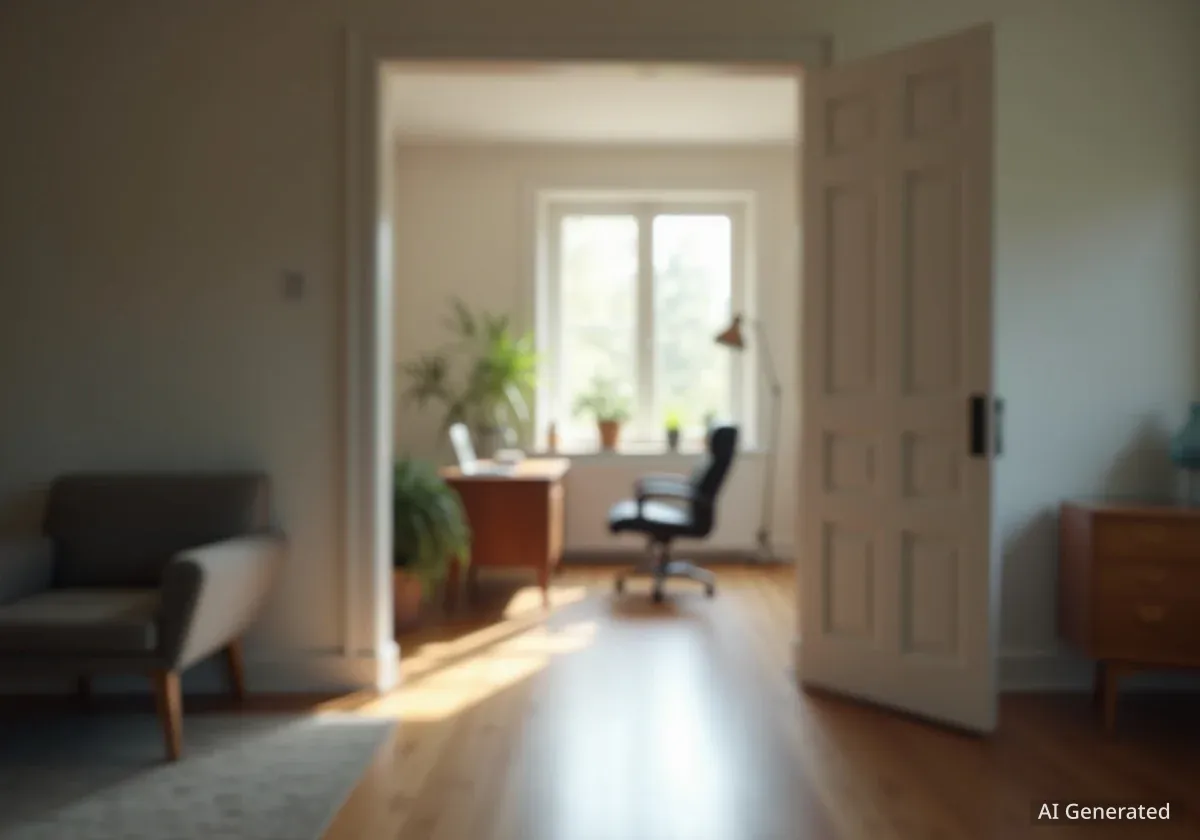
During the pandemic, many households needed individualized spaces for work and study, leading to a surge in demand for versatile floor plans that offer privacy and quiet opportunities.
Emily LaMarque, an interior designer, notes that the need for individualized spaces became critical during this period. People required areas where they could focus without interruption. This need has continued even as life returns to a more normal pace.
However, LaMarque also points out that open-concept great rooms and indoor-outdoor spaces still hold appeal, especially for those in milder climates or who frequently entertain guests. The desire for connection and flow remains strong for certain lifestyles.
Privacy and Personalization Drive New Preferences
The core of this evolving design preference lies in a desire for greater privacy and the ability to personalize spaces. Modern living often means multiple family members engaged in different activities simultaneously.
Louis Duncan-He, another interior designer, emphasizes the personal nature of floor plan preferences. He states that while there is a slight shift towards more private layouts, the open, airy floor plan will always be part of the conversation in home design.
"It's so specific to how people like to live and feel in their homes," explains interior designer Louis Duncan-He. "I do think there is a slight shift right now to floor plans that allow a little more privacy, where you or a family member can find little moments of solitude."
This sentiment highlights that there is no one-size-fits-all solution. What works for one family may not work for another. The key is to create a home that supports the unique rhythm and needs of its occupants.
Historical Context
Open floor plans gained popularity in the mid-20th century, influenced by modernist architecture and a desire for more informal living. They were seen as a way to promote family togetherness and maximize natural light.
Challenges of Open Concept Living
While open floor plans offer many benefits, they also present certain drawbacks that contribute to the current shift in preferences. These challenges often relate to functionality and atmosphere.
Furnishing and Zone Creation
One common difficulty is laying out furniture effectively. Without physical walls, homeowners must create makeshift rooms or zones within a large, undefined space. This often involves creative use of area rugs, strategically placed bookshelves, or partitions.
Duncan-He suggests using elements like a bookshelf on the back of a sofa to establish a sense of division. This requires more thought and planning than furnishing traditional, walled rooms.
Lack of Intimacy and Privacy
Open spaces can sometimes feel impersonal. The absence of walls means a lack of intimacy and privacy, which can be a significant concern for families. LaMarque notes that while the volume of an open room might be larger, it can feel constraining because there are few places to escape for quiet moments.
The cozy feeling desired by some homeowners can be difficult to achieve in vast, open areas. This lack of secluded spots can impact individual well-being and family dynamics.
Visible Clutter and Noise Levels
Clutter is another issue. In an open-concept home, messes are constantly on display. There is no door to close and hide a disorganized area. This can lead to increased stress for those who prefer tidy environments.
Noise also travels freely in open layouts. Conversations, television sounds, and kitchen activities can all blend together, making it difficult for individuals to concentrate or relax in different areas of the home.
The Advantages of Closed Concept Floor Plans
Conversely, closed-concept floor plans offer specific benefits that are becoming increasingly attractive to homeowners. These layouts provide distinct advantages in terms of design, practicality, and specialized functions.
Design Versatility
Separate rooms allow for greater design freedom. Each space can have its own unique aesthetic, acting as a different portal within the home. LaMarque highlights that closed floor plans provide ample canvas for diverse design materials and selections.
They often offer more opportunities for architectural details such as moldings, woodwork, and decorative hardware. These elements contribute to a timeless and classic aesthetic throughout the home.
Blending Personality and Practicality
Homes with closed-style floor plans, featuring more walls and smaller spaces, often feel more charming and intimate. LaMarque emphasizes their multifunctional nature, allowing for tailored environments that blend personal style with practical needs.
This design approach fosters a sense of coziness and allows for clearer delineation of activities, enhancing both comfort and efficiency.
Opportunity for Specialized Spaces
Designated areas are crucial for modern lifestyles. Clients often desire rooms that can serve multiple purposes, such as a den, a library, and a home gym all in one. The additional walls, doors, and pass-throughs of closed-style floor plans offer this necessary flexibility.
These specialized spaces allow family members to pursue hobbies, work, or relax independently without disturbing others. This is particularly valuable in households with diverse needs and schedules.
Making Open Concepts Endure
For those who still appreciate the airy feel of open spaces, there are ways to make these layouts more timeless and functional. Thoughtful design choices can mitigate some of the inherent drawbacks.
- Add Architectural Details: Incorporate crown molding, beams, or other structural elements to give the space character and definition. Duncan-He advises ensuring the space has a "sense of soul" beyond just decor.
- Focus on Unique Wall Treatments: Use textured wall treatments like Venetian plaster, shiplap, or wainscoting. These add depth and visual interest, making large walls feel less stark.
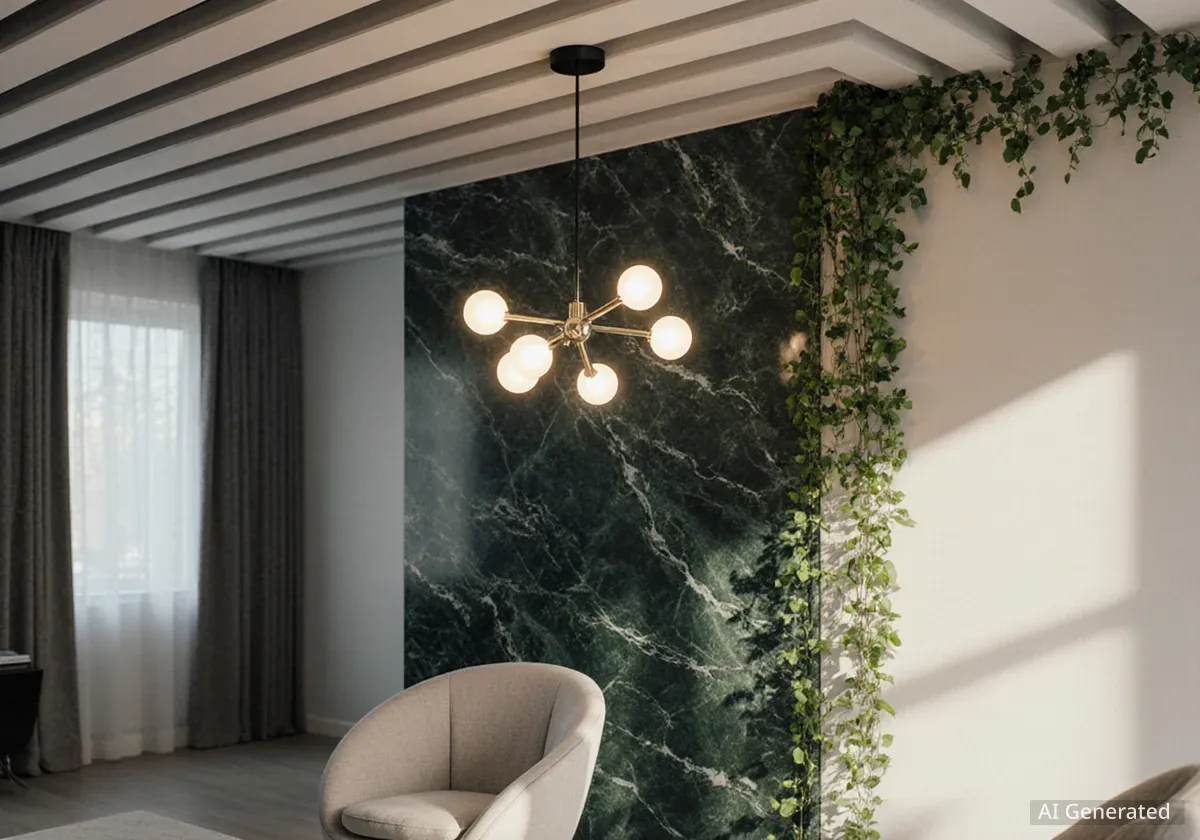
- Elevate the Ceiling: The ceiling is often overlooked but acts as a fifth wall in open spaces. Consider soffits, coffers, or cove lighting to create architectural and visual interest overhead.
- Integrate Time-Tested Materials: Use classic materials like oak flooring, painted cabinetry, marble tile, stone, and decorative hardware. These elements can soften large open areas and add a sense of permanence.
- Thoughtful Lighting: Beyond functional recessed lighting, incorporate decorative lighting at eye level. Floor lamps, pendants, and sconces create warmth and coziness, defining zones and enhancing the ambiance.
Ultimately, the choice between open and closed floor plans comes down to individual needs and preferences. While the trend may be leaning towards more defined spaces, clever design can ensure any layout remains both beautiful and practical.