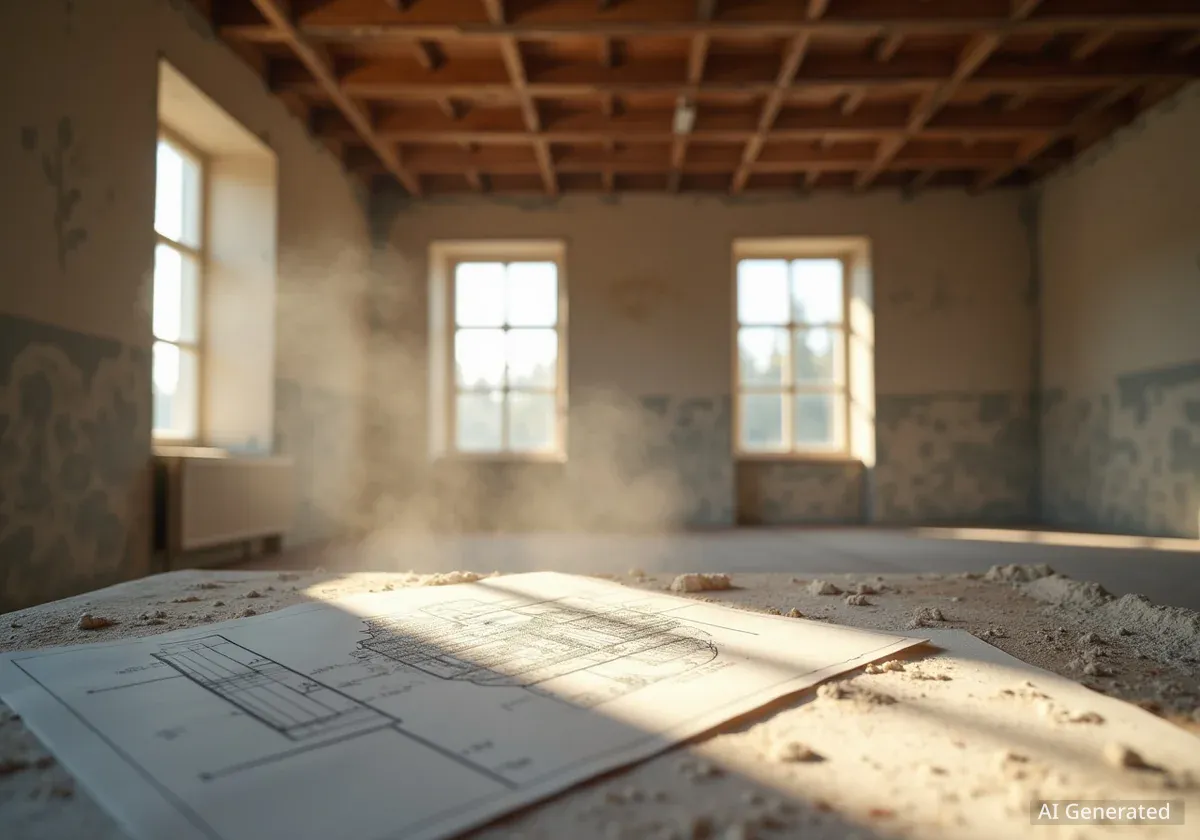

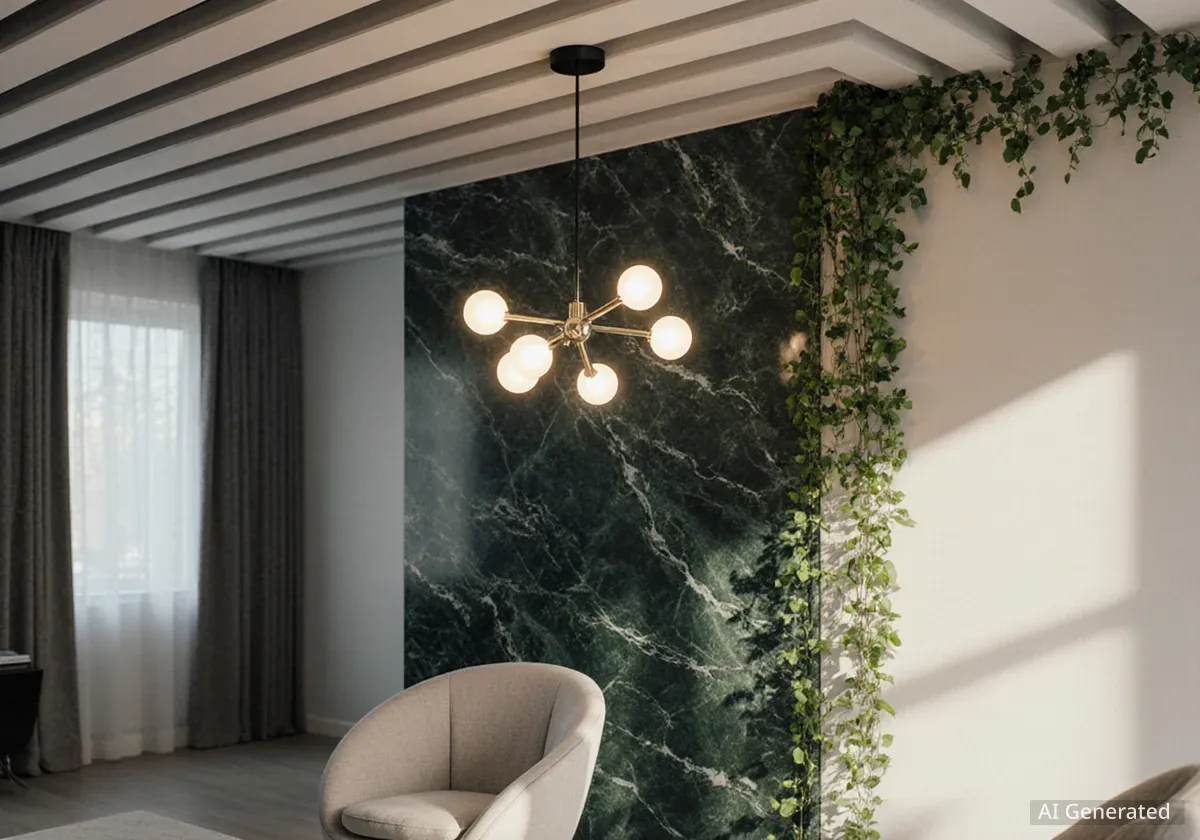


Renovating older homes presents a unique set of challenges for homeowners. While historic properties offer distinct architectural charm and character, updating them for modern living often conflicts with preserving their original design. Homeowners must balance the desire for contemporary amenities, such as open floor plans and spacious closets, with the need to maintain the vintage aesthetics that define these residences.
Many individuals are drawn to the allure of older houses, appreciating features like intricate millwork and authentic divided-light windows. These elements contribute significantly to a home's historical appeal. However, these same features can lead to practical difficulties, particularly concerning energy efficiency and structural modifications.
Key Takeaways
- Old homes offer unique character but pose renovation dilemmas.
- Balancing historic charm with modern layouts is a primary challenge.
- Energy efficiency improvements often conflict with original window designs.
- Extensive structural changes can diminish a home's period feel.
- Homeowners seek updated kitchens and larger storage spaces in vintage properties.
The Appeal and Pitfalls of Vintage Homes
The market for homes is often divided into two distinct groups: those who prefer new constructions and those who are passionate about older properties. New house buyers typically seek contemporary designs, advanced home technologies, and layouts optimized for modern lifestyles. This includes features like dedicated media rooms, expansive rooftop decks, and open-concept living areas.
In contrast, old house enthusiasts cherish historical details. They often admire specific architectural elements that define a property's era. These can include original hardwood floors, ornate crown molding, and the unique construction of true divided-light windows. These windows, while beautiful, are frequently less efficient than modern, insulated units. This can result in significantly higher energy bills, a common concern for owners of vintage homes.
Fact: Energy Efficiency
According to historical building data, homes built before 1940 often lack modern insulation and energy-efficient windows. This can lead to an average of 20-30% higher heating and cooling costs compared to new constructions with similar square footage.
Balancing Charm with Modern Needs
While old house owners appreciate period details, they also desire modern conveniences. Large closets, updated bathrooms, and custom kitchens are high on their renovation wish lists. These amenities are standard in newly built homes, but integrating them into a historic structure requires careful planning and execution.
The process of updating a vintage home is often described as a complex puzzle. One of the main challenges involves structural alterations. Opening up walls to create a more contemporary, open-plan layout can inadvertently remove the very period charm that attracted the homeowner in the first place. This delicate balance requires skilled designers and contractors who understand historic preservation principles.
"The true art of renovating an old house lies in enhancing its functionality without erasing its soul," says historical preservation architect, Maria Rodriguez. "Every decision, from window replacement to wall removal, must consider the home's original narrative."
Renovation Dilemmas and Solutions
Homeowners frequently face a dilemma: how to achieve a spacious, bright interior while maintaining the integrity of original architectural features. For instance, removing a load-bearing wall to create an open kitchen and dining area might necessitate adding a large beam, which can alter the room's ceiling height and aesthetic.
Another common issue involves window upgrades. Replacing original single-pane windows with modern, double-glazed units can dramatically improve energy efficiency. However, finding replacement windows that match the historical appearance of true divided lights, rather than simulated ones, can be costly and challenging. Some homeowners opt for interior storm windows to maintain the original look while improving insulation.
Context: Historic Preservation
Historic preservation often involves adhering to specific guidelines to ensure that renovations respect the original character of a property. In many cities, homes within designated historic districts are subject to review by local preservation boards. These regulations aim to prevent inappropriate alterations that could diminish the historical value of individual buildings and neighborhoods.
The Role of Thoughtful Design
Successful renovations of old homes often involve a thoughtful design approach. This means identifying which historical elements are essential to preserve and which can be modified or updated without compromising the home's character. For example, original millwork around windows and doors might be carefully restored and integrated into a new design, even if the interior walls are reconfigured.
Custom cabinetry and fixtures can also bridge the gap between old and new. A kitchen designed with period-appropriate materials and styles, but equipped with modern appliances and storage solutions, can offer both historical appeal and contemporary functionality. This approach allows homeowners to enjoy the best of both worlds: the charm of a vintage home and the comfort of modern living.
- Preserving Original Details: Focus on restoring rather than replacing features like trim, flooring, and hardware.
- Strategic Modernization: Introduce modern elements in a way that complements the existing architecture, such as hidden appliances or integrated smart home technology.
- Energy Efficiency Upgrades: Explore options like insulation improvements, weatherstripping, and high-efficiency HVAC systems that have minimal visual impact.
- Expert Consultation: Work with architects and contractors specializing in historic renovations to navigate complex structural and design decisions.
Navigating Renovation Costs and Time
Renovating an old house can often be more expensive and time-consuming than remodeling a newer property. Unexpected issues, such as outdated electrical wiring, plumbing problems, or hidden structural damage, are common. These unforeseen complications can significantly impact project budgets and timelines.
For example, a study by the National Association of Home Builders indicated that renovating a kitchen in a historic home could cost 15-25% more than a similar renovation in a modern home, primarily due to the need for specialized labor and materials that match the original aesthetic.
Homeowners must prepare for these potential hurdles by allocating a contingency fund, typically 10-20% of the total project budget. This financial buffer helps cover unexpected expenses and ensures the project can continue without major interruptions. Furthermore, the permitting process for historic properties can be more extensive, requiring additional approvals and inspections.
Ultimately, the decision to renovate an old house is a commitment to blending history with contemporary living. It requires patience, a significant investment, and a deep appreciation for the unique character that only a vintage home can offer. The result, when done correctly, is a residence that tells a story while providing all the comforts of a modern abode.