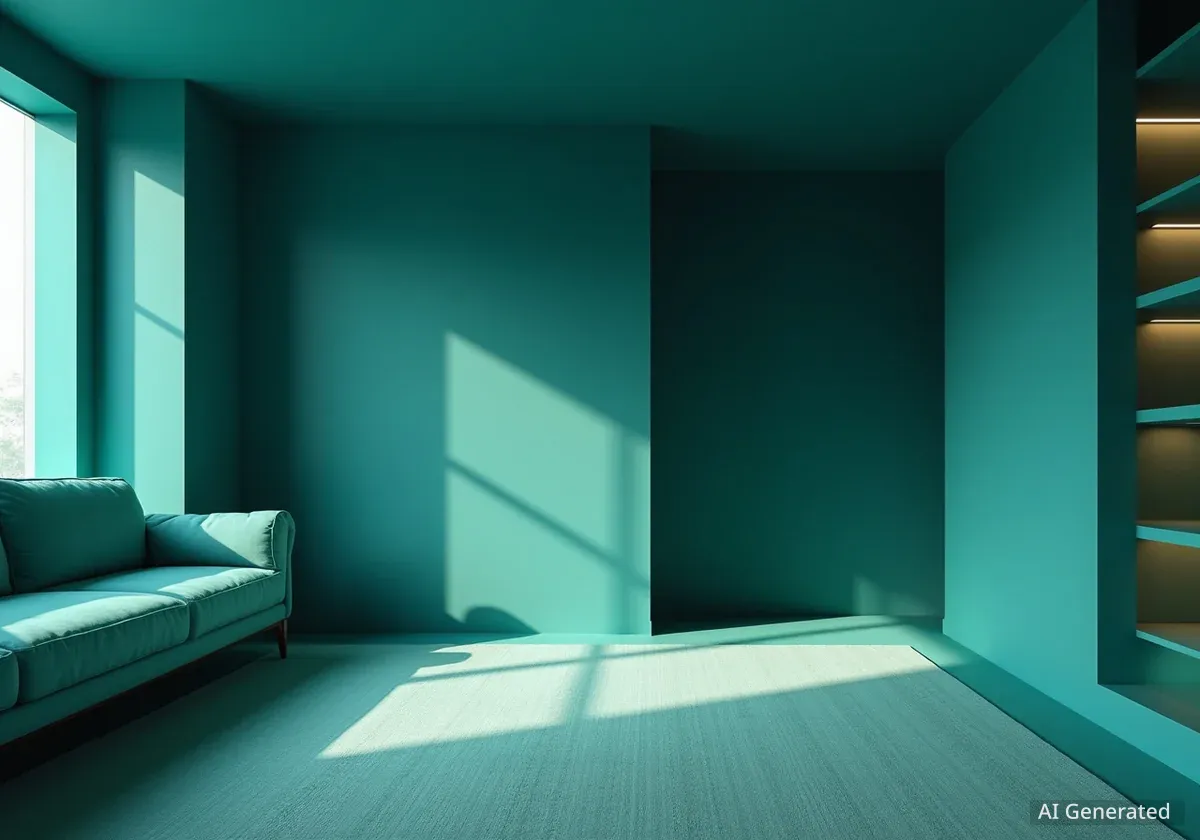

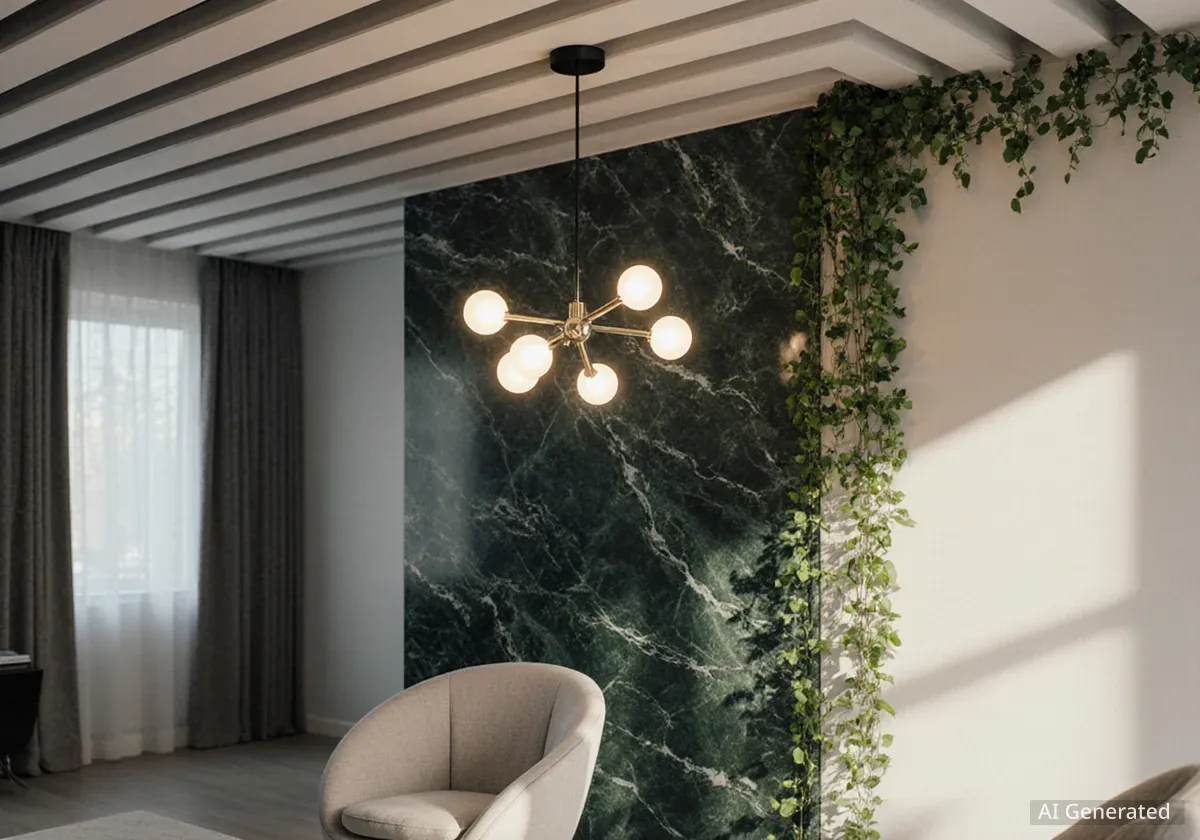


A dramatic interior design trend known as "color drenching" is set to define home aesthetics in 2025, as homeowners and designers move away from neutral palettes to embrace immersive, single-color environments. The technique involves painting walls, trim, and even ceilings in the same shade to create a cohesive and enveloping atmosphere.
This approach is gaining significant traction, with a recent survey of 140 designers indicating that rich, nature-inspired colors applied in a monochromatic fashion will continue to grow in popularity. The trend transforms rooms into deeply personal and cozy spaces, a stark contrast to the minimalist white boxes of previous years.
Key Takeaways
- What is Color Drenching: The practice of painting walls, ceilings, trim, and sometimes doors in a single, continuous color.
- Predicted Popularity: A survey of 140 designers confirms that color drenching, using rich and nature-inspired hues, will be a major trend for 2025.
- Psychological Impact: The technique is known for creating a cozy, cocoon-like feeling that makes a space feel both dramatic and secure.
- Versatility: Color drenching works with a wide range of colors, from deep, moody blues and greens to warm, earthy tones.
The Rise of the Monochromatic Room
For years, the standard for interior design has often been bright, airy spaces with white or light-colored walls and contrasting trim. Color drenching challenges this convention by wrapping a room in a single, uninterrupted hue. This method eliminates the visual breaks created by contrasting trim, making spaces feel larger and more intentional.
Designers report that this trend is a direct response to a collective desire for homes that feel like personal sanctuaries. By enveloping a room in a single color, the technique creates a sense of calm and intimacy. It's a bold statement that can make a room feel like a deliberate, curated world of its own.
From Trend to Timeless
While currently popular, the concept of monochromatic rooms has historical roots in opulent period design. The modern revival focuses on creating a mood rather than just displaying wealth. Designers suggest that because it's rooted in creating a specific feeling, color drenching has the potential to become a timeless design choice rather than a fleeting trend.
Transforming Spaces with Deep Hues
Dark and moody colors are particularly effective for color drenching, creating dramatic and sophisticated environments. Homeowners are increasingly using deep blues, greens, and even near-blacks to make a statement, especially in bedrooms and living areas.
The Power of Dark Blues and Grays
In a Manhattan apartment, a primary bedroom was transformed from what its owner called a "soulless white box" into a dramatic retreat using Benjamin Moore’s “Evening Blue.” By applying the deep blue to both walls and the ceiling, the room now evokes a unique and personal atmosphere.
Similarly, a Brooklyn-based illustrator and tattoo artist chose Benjamin Moore’s “Gentleman’s Gray” for their dim bedroom. The decision was based on the idea that blue tones can promote restful sleep. The immersive color enhances the room's naturally low light, turning it into a tranquil, cave-like space perfect for rest.
Embracing Inky Greens
Even colors that approach black can be used without making a room feel small or oppressive. In one Chicago apartment, a bedroom painted with Benjamin Moore’s “Black Forest Green” feels surprisingly bright. The key is balance; the inky walls are offset by vibrant furniture, such as a green tufted bed, which prevents the deep color from overwhelming the space.
Warm and Earthy Tones Create an Inviting Atmosphere
Color drenching isn't limited to dark, dramatic shades. Warm, earthy, and nature-inspired colors are also soaring in popularity, creating spaces that feel inviting and grounded.
Earthy Browns and Terracottas
One Washington, D.C. homeowner made a bold choice by drenching her primary bedroom in Valspar’s “Coconut Husk,” a deep brown. While she humorously acknowledged the color's controversial nature online, she stands by the decision, noting how well the rich, earthy tone photographs and how it contributes to the room's unique character.
"I really do keep painting my house the color of feces. I don’t know why, and I can’t stop doing it, but it looks really good on camera."
In another example, a New York City kitchen was made to feel exceptionally warm and inviting with Sherwin-Williams’ “Rojo Dust.” Applying this terracotta-like shade to the walls and ceiling turned the functional space into a cozy hub for cooking and gathering.
Playful Peaches and Pinks
The trend also works with lighter, more playful colors. A photographer in Jersey City embraced a personal design ethos of “Paint First, Regret Later.” Her primary bedroom is a testament to this philosophy, drenched in a custom mix of Benjamin Moore’s “Just Peachy” and “Conch Shell.” The result is a soft, glowing room that feels both energetic and comforting.
How to Approach Color Drenching in Your Home
For those inspired to try this trend, the approach can be adapted to any room. It can be particularly effective in smaller spaces like hallways, powder rooms, or home offices, where the immersive color can make a big impact without overwhelming a larger living area.
Consider these steps for getting started:
- Select a Mood: Decide on the feeling you want to create. Deep blues and greens promote calm and rest, while warm terracottas and browns feel grounding and cozy.
- Test Your Color: Paint large swatches on different walls to see how the color looks in natural and artificial light throughout the day.
- Choose Your Finish: A matte or eggshell finish is common for walls, but using a satin or semi-gloss on trim in the same color can add subtle dimension.
- Commit to the Ceiling: The most impactful version of color drenching includes the ceiling. Painting it the same color as the walls creates the ultimate cocooning effect.
Whether using a deep, dramatic blue or a warm, earthy brown, color drenching is a powerful tool for transforming a room into a deeply personal and stylish sanctuary. As designers predict its continued rise, it seems more homes will be embracing the warm hug of a fully monochromatic space.