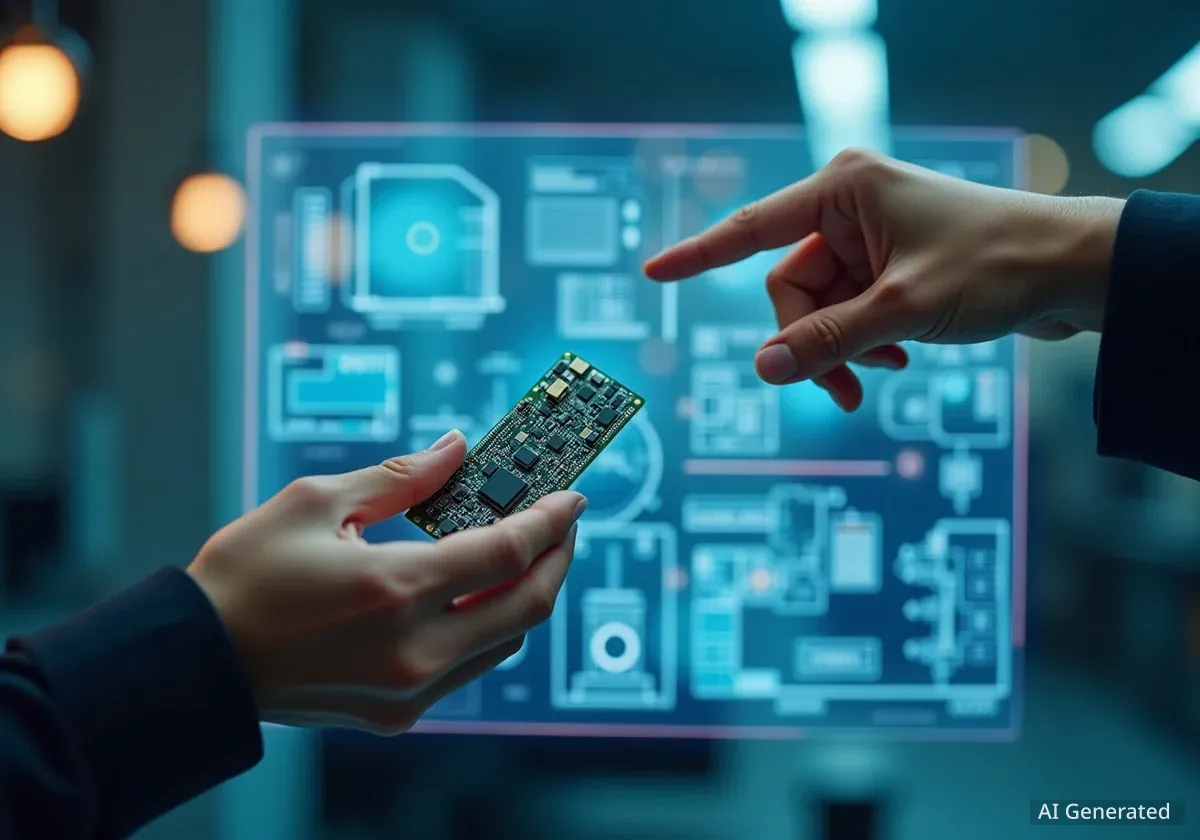
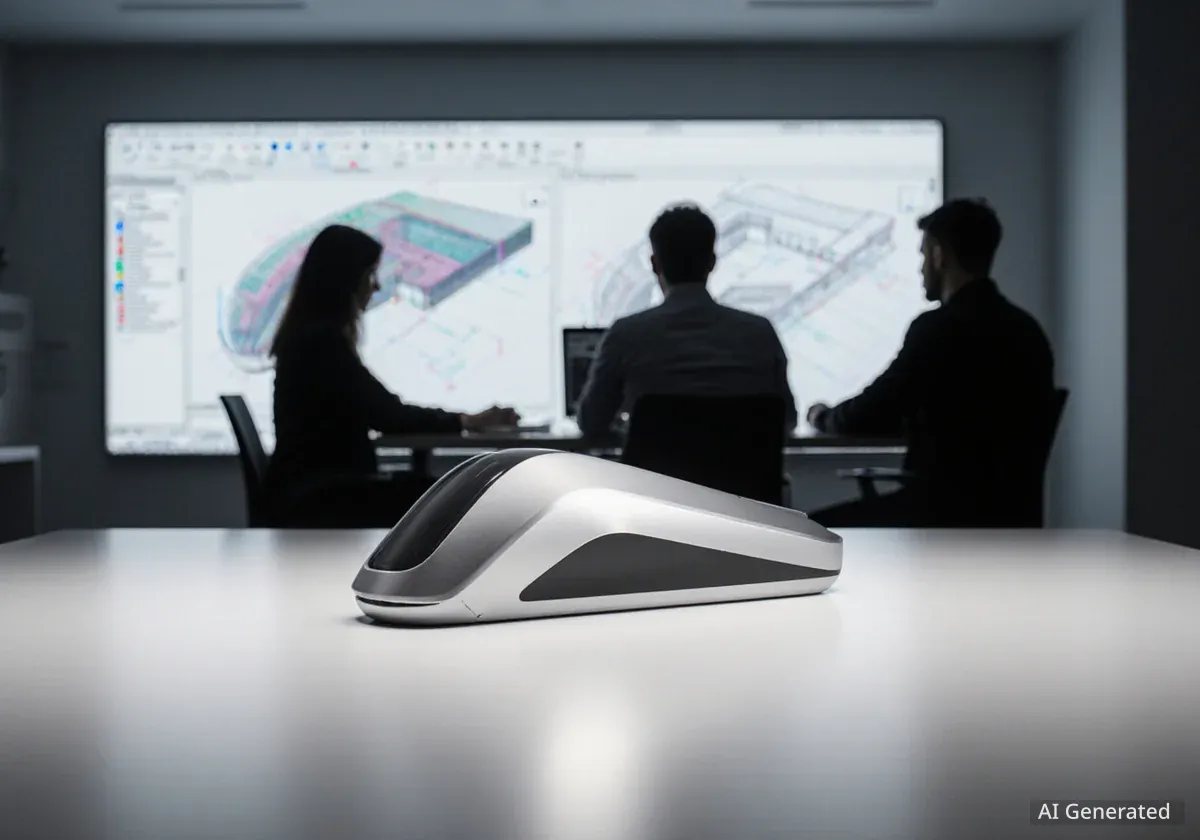



Artificial intelligence is transforming many industries, and product design is no exception. However, despite the rapid advancements in AI tools, experienced hardware designers emphasize that human craft, insight, and extensive physical iteration remain essential for creating meaningful and reliable products. AI currently serves best as an assistant, speeding up administrative tasks rather than replacing the core creative and problem-solving processes inherent in physical design.
Key Takeaways
- AI excels at automating routine tasks, freeing designers for creative work.
- Human insight and physical prototyping are irreplaceable in hardware design.
- Security concerns limit AI tool adoption for sensitive client projects.
- The true impact of AI lies in enabling new hardware functionalities, not just design processes.
- Focus shifts to creating fewer, better products rather than more, faster.
The Human Element in Hardware Creation
Designing physical products involves a deep understanding of human interaction and physical constraints. This process often includes ergonomic testing, detailed sketching, and extensive mock-ups. These hands-on methods are crucial for developing products that fit the human form, perform reliably, and endure over time. While AI tools like generative design software are emerging, they do not yet fully replicate the nuanced understanding that human designers bring to these challenges.
Nichole Rouillac, founder of a San Francisco-based industrial design studio, highlights this distinction. She believes that AI can be a valuable assistant, particularly for administrative tasks such as writing emails, marketing blurbs, and proposals. This allows designers to dedicate more time to core activities like sketching, prototyping, and solving complex physical problems. This approach represents a creative rebalancing, where technology supports human ingenuity rather than replacing it.
Fact Check
Some AI tools, such as Photoshop's generative features, can save designers hours on specific image manipulation tasks. However, text-to-CAD tools are still in early stages and often cannot produce complete, production-ready CAD models.
Challenges and Limitations of AI in Design
Despite the excitement around AI, its integration into the core design workflow presents several challenges. Design work requires precision, deep insight, and repeated physical iteration. Current AI tools often fall short in these areas, lacking the robustness needed for complex product development. While younger designers may experiment with AI for fun, the outputs frequently do not advance the design process in a meaningful way.
Speed is one of AI's major promises, but it also carries risks. Rouillac compares the current trend to the 'slow food movement' – just because something can be done faster does not mean it always should be. Some studios might use AI to underbid competitors by rapidly generating concepts, but this speed can compromise quality. Products that define entire categories require significant time for exploration, reflection, and meticulous refinement.
"Designing something meaningful takes time. Time to explore. Time to reflect. Time to get it right. And when you're working on products that could literally change lives, or save them, you don't take shortcuts."
Security and Intellectual Property Concerns
Confidentiality is a critical factor in product design, especially when working with major clients like Microsoft and Google. These clients often require strict audits and vetting processes. The use of cloud-based AI tools raises significant security questions regarding data access and intellectual property protection. Designers must consider the risk of data leaks when evaluating new AI platforms, making adoption challenging for highly sensitive projects.
Industry Context
The rise of AI in product development is part of a broader trend where technology influences every stage of creation. However, the unique demands of hardware, which involve tangible materials and physical interactions, present distinct challenges compared to purely digital product development.
The Real Opportunity: AI in the Products Themselves
While AI's direct impact on the design process is still evolving, its role in the functionality of new hardware products is already significant. Designers are excited about creating products that embed AI to assist doctors with remote therapy, enhance diagnostic tools, and improve patient care. This represents a shift in focus: the opportunity lies not just in how AI helps design, but how it enables new capabilities within the products being built.
This perspective underscores the idea that "Hardware is the New Salt" – essential for life. Software may be pervasive, but it relies entirely on hardware for execution. Every major technological advancement, from the Industrial Revolution to modern wearable tech, has been rooted in physical product innovation. You cannot revolutionize healthcare, for example, with an app alone; it requires sensors, devices, and physical form factors that operate effectively in the real world.
A Shift Towards Thoughtful Innovation
The promise of AI often includes increased production speed and volume. However, this raises a crucial question: Do we need more products, or do we need better ones? In an era of environmental concerns, with increasing landfills and climate change impacts, the emphasis should be on quality over quantity. Tighter budgets, often seen during economic downturns, can act as a positive filter, leading to fewer frivolous projects and more thoughtful, necessary innovations.
The goal for designers should not be to make more things faster, but to create better things, made smarter. This involves asking critical questions: Is this product necessary? Will it genuinely improve someone's life? Or is it simply another item contributing to waste? This mindset encourages innovation focused on utility, sustainability, and genuine human benefit.
- Smart Design: Prioritizing functionality and user experience.
- Sustainable Practices: Minimizing environmental impact.
- Ethical Production: Ensuring responsible manufacturing.
As AI tools mature, they will likely become more integrated into hardware design. For now, a healthy skepticism, particularly concerning intellectual property and data security, remains prudent. The future of hardware design will likely blend human craftsmanship with intelligent automation, ensuring that innovation serves both practical needs and societal well-being.