
Interior design trends from the early 2010s are increasingly seen as outdated by industry professionals. Over a decade later, many popular living room styles from that era no longer align with current aesthetic preferences. Designers are now advising homeowners to move away from specific looks that can make a space feel instantly behind the times.
Key Takeaways
- All-gray interiors are considered cold and sterile.
- Fast furniture is being replaced by durable, crafted pieces.
- Bold accent walls are now seen as one-dimensional.
- The modern farmhouse aesthetic has become overly ubiquitous.
- All-white rooms lack personality and practicality.
The Decline of All-Gray Interiors
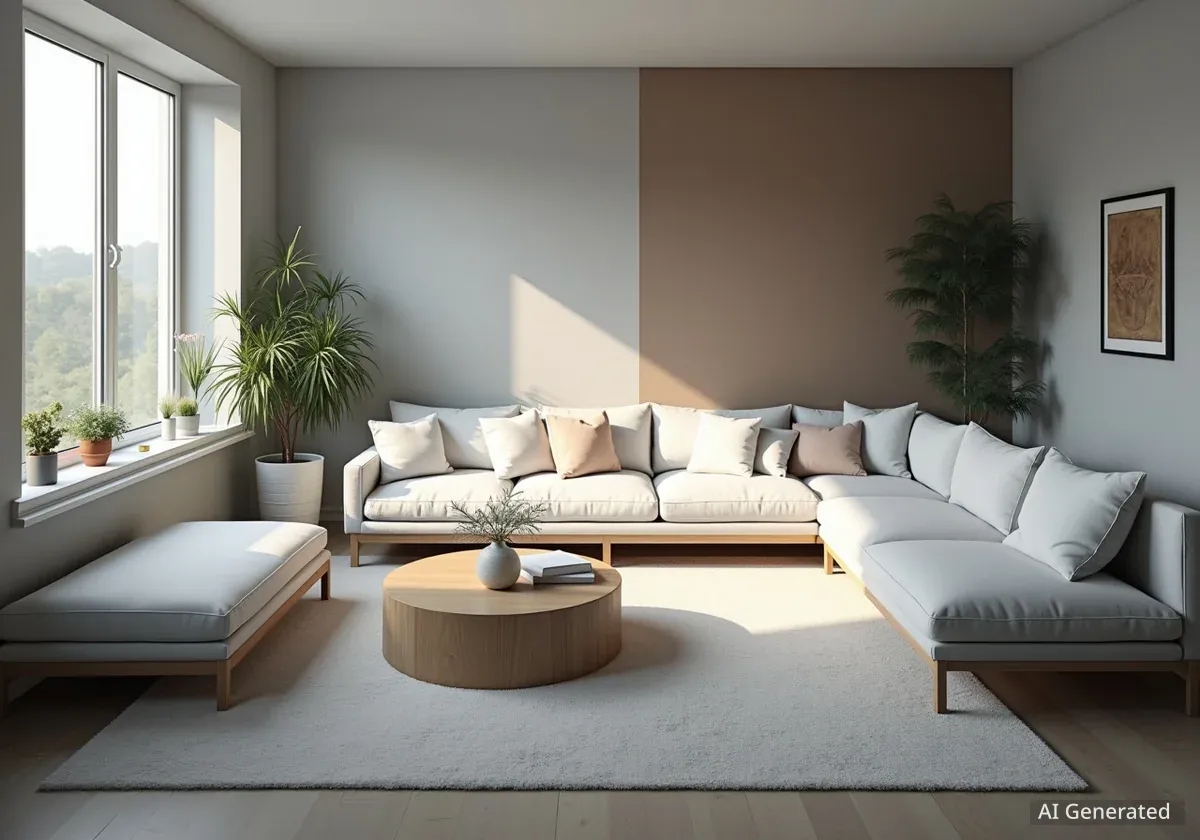
One of the most prominent trends from the 2010s was the widespread use of cool gray tones. This monochromatic palette dominated living rooms, creating spaces that many now describe as sterile. Designer Jordan Vaughn, founder of Alayna Louise Interiors, states that cool grays often feel "cold and lifeless" when compared to today's preference for warm neutrals and mixed wood elements. The prevalence of this color scheme led to a sense of saturation in home decor.
Shannon Murray, founder of Shannon Murray Interiors, echoes this sentiment. She notes that gray "quickly became an explosion" in the 2010s, making it strongly associated with that specific period. Murray observes a rapid shift away from this color, which she believes became "too much and too saturated into the home world."
Did You Know?
According to a 2023 survey by Houzz, only 11% of renovating homeowners chose gray for their living room walls, a significant decrease from its peak popularity in the mid-2010s.
Moving Beyond Gray
For those who still appreciate gray, designers suggest incorporating warmer variations. A shift from cool, blue-toned grays to warmer, beige-infused grays can modernize a room. Alternatively, introducing a diverse palette of decorative accents can break up an otherwise gloomy gray space. Murray has seen increased demand for warmer tones such as beiges, cinnamons, and browns. These colors offer a more inviting and current feel.
Shifting Away from Fast Furniture
The early 2010s also saw a rise in the popularity of "fast furniture" – mass-produced, often inexpensive items designed for quick turnover. This approach is now losing favor. Jordan Vaughn indicates that clients in 2025 are seeking more durable, specialty pieces. There is a growing desire for items that offer longevity and a unique story.
This shift reflects a broader consumer trend towards sustainability and craftsmanship. People are increasingly interested in furniture that possesses character and can be passed down or kept for many years. Vaughn explains,
"People seem to be craving craftsmanship and personal narrative again."
The Rise of Conscious Consumption
The move away from fast furniture aligns with a broader societal push for more sustainable and ethical consumption. Consumers are becoming more aware of the environmental impact of disposable goods and are prioritizing quality over quantity. This trend extends beyond furniture to fashion and other consumer products.
Embracing Secondhand and Crafted Items
Secondhand shopping provides an accessible way to acquire well-made, distinctive pieces. Options range from estate sales to online marketplaces like Facebook Marketplace. These platforms allow individuals to find unique items at competitive prices. Each piece often comes with a history, adding a personal narrative to the home decor. This approach supports both personal style and environmental responsibility.
The Retreat of Accent Walls
Accent walls, especially those featuring bold or bright colors, are another trend from the 2010s that designers believe has not aged well. Lexie Saine, an interior designer, notes that while accent walls once felt like an easy way to add personality, they now appear "dated and one-dimensional."
A single wall painted in a vivid color often visually divides a room rather than unifying it. Saine suggests that this approach can make a space feel disjointed. The goal of modern design is to create cohesive and enveloping environments.
- Dated Effect: Accent walls can break visual continuity.
- Modern Approach: Painting all walls, and even the ceiling, the same color.
- Result: Creates a more intentional and cohesive feel.
Achieving Cohesion Through Color
Instead of an accent wall, designers recommend applying the same hue to all four walls. This creates a more unified and immersive experience. Saine even suggests painting the ceiling, often referred to as the "fifth wall," in the same color. This saturation technique instantly feels more modern and cohesive. It results in a living room that looks thoughtfully designed rather than piecemeal.
The Decline of Modern Farmhouse Aesthetics
The modern farmhouse style, popularized in the early 2010s, has also seen a significant decline in appeal. Designer Kelley Kolettis, founder of Kelley Kolettis Designs, expresses relief at its fading popularity. She believes the style became overly prevalent and often did not suit the architectural context of many homes.
Kolettis highlights the overuse of specific elements associated with this trend. These include shiplap on every wall, Mason jars as ubiquitous decor, and excessive cow and chicken-themed art. She also points to signs with words like "gather" and barn doors separating every room as examples of the style becoming too pervasive and losing its charm.
"Unless you live on a farm in an authentic farmhouse, you should not have shiplap on every wall," Kolettis asserts.
Style Saturation
When a design aesthetic becomes too popular and is applied indiscriminately, it can quickly lose its uniqueness and become associated with a specific time period, making it feel dated as new trends emerge.
Moving Past All-White Rooms
Similar to the all-gray trend, all-white living spaces from the early 2010s are also losing favor. Kelley Kolettis describes these white-on-white rooms as feeling "very sterile and cold, having no personality at all." Beyond aesthetics, this trend presented practical challenges.
White surfaces tend to show every mark, including fingerprints, spills, cooking splatters, and dust. This makes all-white rooms difficult to maintain, especially in active households. The practicality issue contributed to its decline in popularity.
Embracing Warmth and Texture
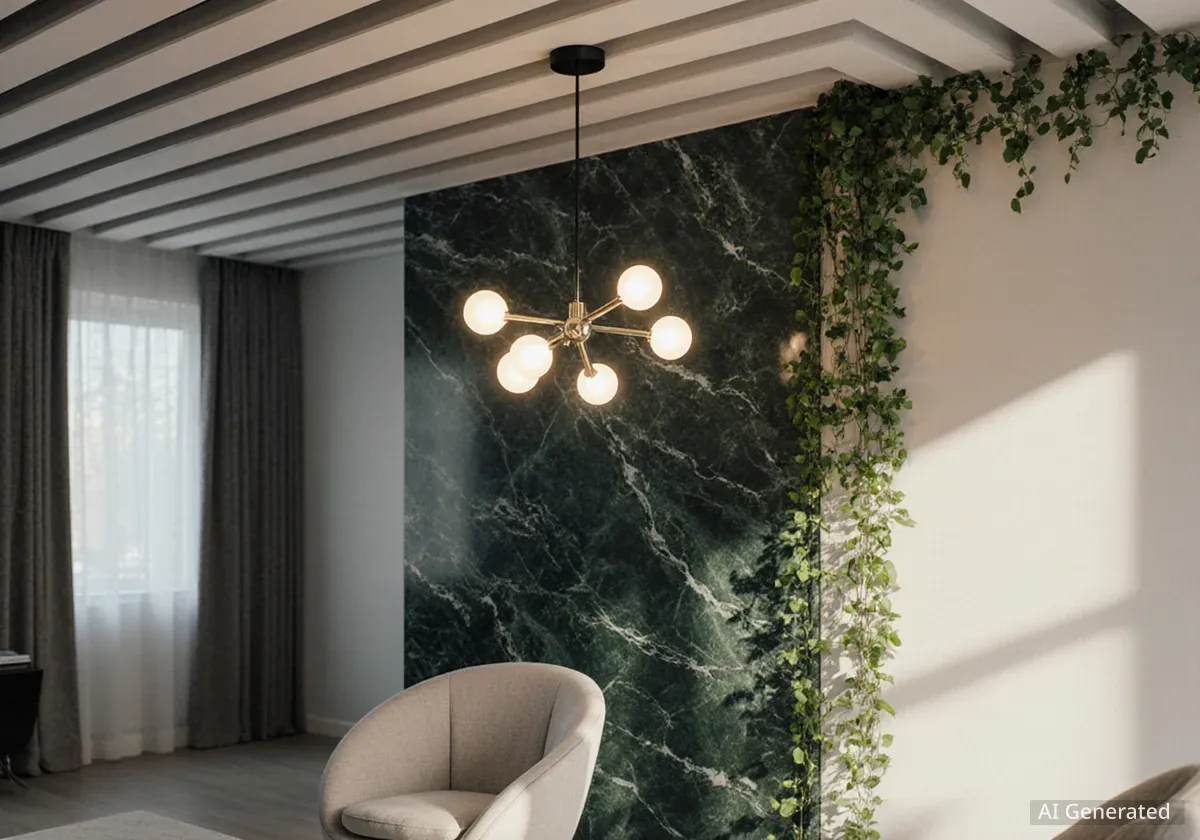
Current design preferences favor warmth, layered patterns, and mixed materials. Designers are excited about interiors that combine various textures and shades to create highly personal spaces. These newer approaches offer both aesthetic appeal and increased practicality, as they can more effectively camouflage the everyday wear and tear of a busy home. The focus is now on creating inviting, lived-in environments rather than pristine, unblemished ones.
The evolution of design preferences reflects a desire for homes that are both beautiful and functional. As the 2020s progress, the emphasis is on creating spaces that feel authentic, comfortable, and reflective of individual taste, moving away from the more uniform looks of the previous decade.