

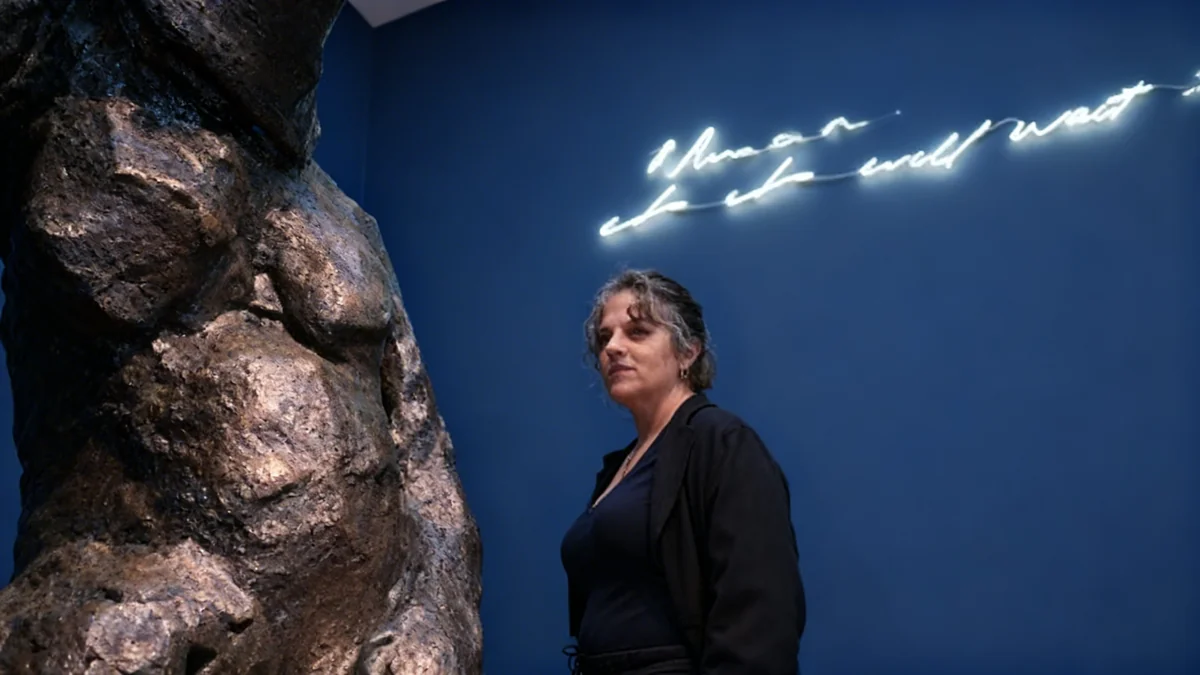

A major retrospective of Yoko Ono's work, titled "Yoko Ono: Music of the Mind," has opened at the Museum of Contemporary Art (MCA) in Chicago. The exhibition features over 200 pieces and is the only U.S. stop for the show. It invites visitors to engage directly with Ono's art, reflecting her long-standing commitment to participatory creativity.
The exhibition arrived in Chicago after a successful run at Tate Modern in London, where it saw record-breaking attendance. It highlights Ono's diverse career, spanning installation art, film, music, and print. The show runs through February 22, 2026, offering a unique opportunity to experience her influential work.
Key Takeaways
- Over 200 works by Yoko Ono are on display at the Museum of Contemporary Art in Chicago.
- The exhibition encourages audience participation in several interactive installations.
- This is the only U.S. venue for "Yoko Ono: Music of the Mind."
- The show covers Ono's career in various media, including film, music, and performance art.
- It emphasizes Ono's themes of peace and social justice.
Engaging with Ono's Vision
Yoko Ono, now 92, has always challenged traditional art viewing. Her Chicago exhibition continues this approach, actively seeking audience involvement. Visitors are not just passive observers; they become part of the creative process.
Several installations invite direct interaction. For instance, in Painting to Hammer a Nail, guests can hammer nails into a board. Another piece, Wish Tree, allows people to write and hang their wishes on a tree. These interactive elements are central to Ono's artistic philosophy.
Interactive Art at MCA
- Painting to Hammer a Nail: Visitors add nails to a board.
- Wish Tree: Guests write wishes and hang them on a tree.
- White Chess Set: An all-white chess game where pieces become indistinguishable.
- My Mommy is Beautiful: A collective artwork where participants share thoughts and photos about motherhood.
Connor Monahan, Ono's studio director, spoke about her philosophy. He stated that Ono considered her performances as works for others to perform as well. This idea of shared creation runs through the entire exhibition.
A Career Beyond Expectations
For many years, some people primarily knew Yoko Ono as the wife of a famous musician. This retrospective aims to highlight her significant contributions as an artist in her own right. The exhibition showcases her creations across multiple media, including conceptual art, avant-garde film, and experimental music.
Jamillah James, MCA’s Manilow senior curator, emphasized Ono's impact. "Yoko Ono is a wildly influential and significant figure in performance, conceptualism, music, and activism," James noted. She added that Ono has inspired generations to think differently about everyday life and art itself.
"Yoko always says the job of the artist is not to destroy but to change the value of things. The amount of potential in that is incredible to me."
Connor Monahan, Yoko Ono's Studio Director
Landmark Works on Display
The exhibition features several of Ono's most impactful works. One notable piece is Cut Piece (1964), a performance where Ono sat on a stage, allowing audience members to cut pieces from her clothing. This work remains a powerful statement in feminist art.
Avant-garde films are also a significant part of the show. Film No. 4 (Bottoms), which was once banned, depicts a series of naked backsides. These films challenged societal norms and censorship during their time.
Ono's Early Career
Yoko Ono's 1964 book, Grapefruit, is considered a foundational work of conceptual art. It consists of a series of "instruction pieces" that invite readers to imagine or perform simple actions. Pages from this influential book are available for viewing at the exhibition, offering insight into her early conceptual approach.
Music and Activism
A dedicated room explores Ono's musical contributions. This section includes her experimental sonic works and collaborations. Notable partnerships include those with avant-garde composer John Cage and her late husband, John Lennon.
Beyond her artistic output, Ono is also known for her unwavering commitment to peace and social justice. Many works in the exhibition reflect these themes. The previously banned film Film No. 4 (Bottoms) is one example, challenging perceptions of the human body.
Public artworks like Imagine Peace further illustrate her activism. This project has taken many forms, including transforming electronic billboards in New York City's Times Square. These displays featured the phrase "Imagine Peace" in 24 different languages, spreading a message of global unity.
Monahan's observations highlight the hopeful nature of Ono's art. He noted that everything is unfinished, always allowing for change. This perspective, he believes, fosters a hopeful outlook on life.
The exhibition provides a comprehensive look at an artist who has consistently pushed boundaries and invited the world to participate in her creative journey. It reminds visitors that art can be a powerful tool for change and reflection.
"Yoko Ono: Music of the Mind" is a must-see for anyone interested in modern art, activism, and the power of audience engagement. The exhibition is open at the Museum of Contemporary Art until February 22, 2026.