

A new exhibition celebrating the work of abstract painter William Scott has opened at the Museum of Somerset in Taunton. Titled 'Beauty in Plainness – William Scott in Somerset', the display features three large-scale paintings by Scott, offering a unique insight into his artistic vision and his connection to the West Country.
Key Takeaways
- New William Scott exhibition at Museum of Somerset.
- Features three large-scale paintings from Scott's peak period.
- Explores Scott's friendship and discussions with American artist Mark Rothko.
- Highlights Scott's inspiration from ordinary objects and local landscapes.
Scott's Connection to Somerset and Artistic Peak
William Scott, born in 1913, was a prominent figure in British abstract art. He lived and worked in the countryside south of Bath, making Somerset a significant location in his personal and professional life. The exhibition aims to highlight this connection, showcasing works created during a highly confident phase of his career.
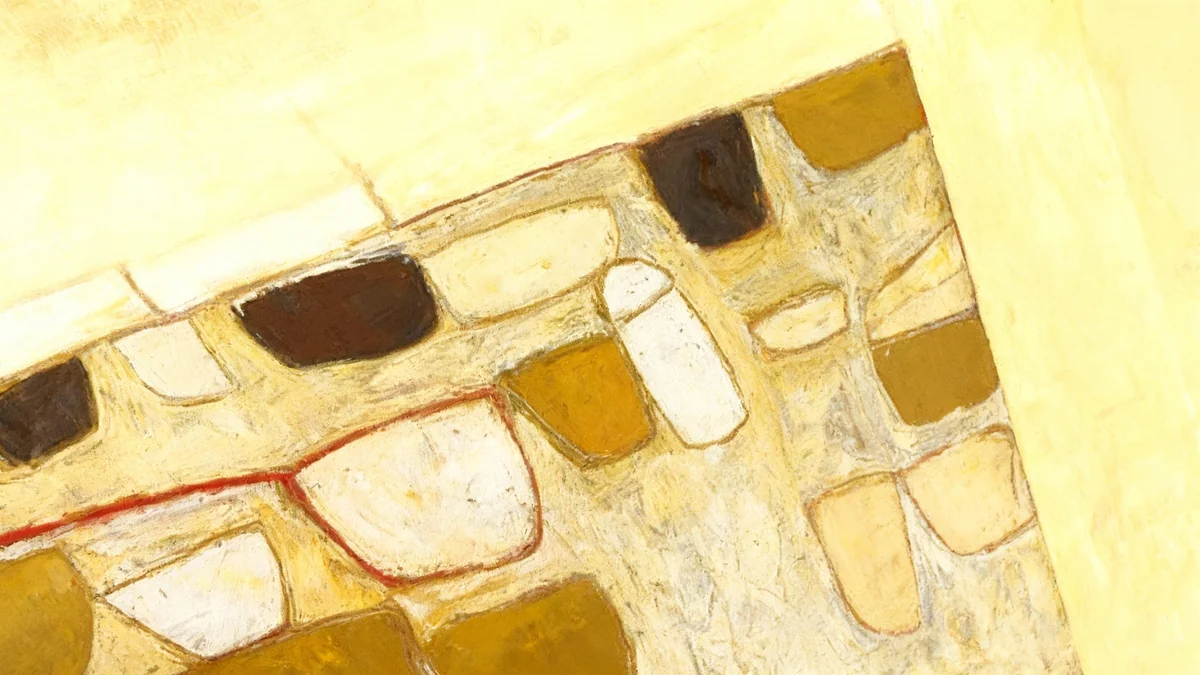
The three central paintings on loan from the Tate were produced in the late 1950s. This period is widely considered the height of Scott's artistic output, where his unique style was fully developed. Visitors can observe how he transformed everyday objects and landscapes into abstract forms.
Exhibition Details
- Title: Beauty in Plainness – William Scott in Somerset
- Location: Museum of Somerset, Taunton
- Dates: November 15 to February 7, 2026
- Curator: Tim Martin
The Influence of 'Plainness' on Scott's Art
The exhibition's title, 'Beauty in Plainness', directly reflects Scott's artistic philosophy. He once stated, "I find beauty in plainness." This assertion guided his approach to painting, where common items like pots and pans or the textures of stone walls became subjects for abstract interpretation.
One notable piece, Ochre Still Life (1958), exemplifies this. It features domestic objects rendered in Scott's distinctive style, demonstrating his ability to find profound aesthetic value in the ordinary. Another work, Black Painting, suggests an abstract representation of local stone walls, grounding his abstract vision in his surroundings.
"The three works were painted at the height of Scott’s career in the late 1950s, when he was very confident in what he was doing," said Tim Martin, the exhibition's curator.
A Meeting of Minds: Scott and Rothko
A significant aspect of the exhibition explores the friendship between William Scott and the American abstract artist Mark Rothko. Their relationship began in the early 1950s when Scott visited New York. He was reportedly struck by the scale and scope of the Abstract Expressionist movement he encountered there.
The two artists developed a strong bond. In 1959, Rothko traveled to Somerset and stayed with the Scott family. This visit proved to be a pivotal moment for both artists, as they discussed their ongoing mural projects.
Artistic Exchange
The meeting between Scott and Rothko in Somerset highlights a crucial period of transatlantic artistic exchange. Both artists were grappling with the challenges of creating large-scale works for specific architectural spaces, pushing the boundaries of abstract art in public settings.
Mural Discussions and Their Aftermath
During Rothko's visit, Scott was working on a large mural for the entrance hall of Altnagelvin Area Hospital in Derry, Northern Ireland. This ambitious abstract piece was eventually unveiled to a surprisingly quiet reception from the invited audience, suggesting a challenge for public understanding of abstract art at the time.
Rothko, for his part, was engaged in creating murals for the prestigious Seagram Building restaurant in New York. The discussions with Scott in Somerset may have influenced Rothko's later decision to withdraw from the Seagram commission. He reportedly felt that the exclusive restaurant environment was an unsuitable setting for his profound artworks. Instead, Rothko presented a selection of nine canvases from that series to the Tate, making them accessible to a wider public.
Legacy and Public Engagement
The exhibition provides a unique opportunity to see these important Scott paintings in a setting close to where the artist lived and worked. It also allows for reflection on the impact of Rothko's visit to the West Country, a moment that connected two giants of abstract art.
The exhibition runs until February 7, 2026. For those interested in a deeper understanding, curator Tim Martin will deliver a preview talk about Scott's life and work on Friday, November 14, at 2:30 PM at the Museum of Somerset. Booking is required for this special event.
This display offers a chance to appreciate Scott's work and understand the personal and artistic connections that shaped his career. It brings a significant part of modern art history to the local community in Somerset.