

Elevating wildlife photography from a hobby to a professional craft requires more than advanced equipment and technical knowledge. According to insights from leading South African photographer Mark Dumbleton, a set of core disciplines separates the top 1% of photographers from the rest. These habits focus on mindset, preparation, and a deep understanding of the natural world.
While camera settings and composition are fundamental, elite photographers operate on a different level. They develop specific routines and a disciplined approach that consistently produce compelling, dynamic, and impactful images. These practices are accessible to any photographer willing to move beyond the basics and adopt a more intentional strategy.
Key Takeaways
- Success in wildlife photography depends more on discipline and specific habits than on expensive gear.
- Prioritizing the quality and angle of light is a non-negotiable first step for professional-level images.
- In-depth knowledge of animal behavior allows photographers to anticipate action and capture unique moments.
- Patience, persistence, and ethical practices are essential for consistently achieving high-quality results.
The Foundation Beyond the Camera
Many aspiring wildlife photographers believe that the latest camera body or the longest telephoto lens is the key to success. However, professionals understand that gear is only a tool. The true differentiator is a disciplined mindset built on foundational habits. Without this structure, even photographers in the best locations with the most advanced equipment will often return with disappointing results.
This discipline involves a shift in focus from the technical aspects of taking a picture to the art of creating an image. It means moving from being a passive observer to an active participant who understands the environment, anticipates events, and masterfully uses natural elements to tell a story.
Who is Mark Dumbleton?
Mark Dumbleton is a professional wildlife photographer based in South Africa, widely recognized for his dramatic and evocative images of African wildlife. His work emphasizes the importance of light and atmosphere in creating powerful photographs, and he is a respected voice in photography education, sharing techniques that help others improve their craft.
Habit 1: The Relentless Pursuit of Light
One of the most critical habits shared by Dumbleton is prioritizing light above all else, including the subject. An ordinary animal in extraordinary light will almost always produce a more compelling photograph than a spectacular animal in poor, flat lighting. Top photographers are relentless in their chase for the perfect light.
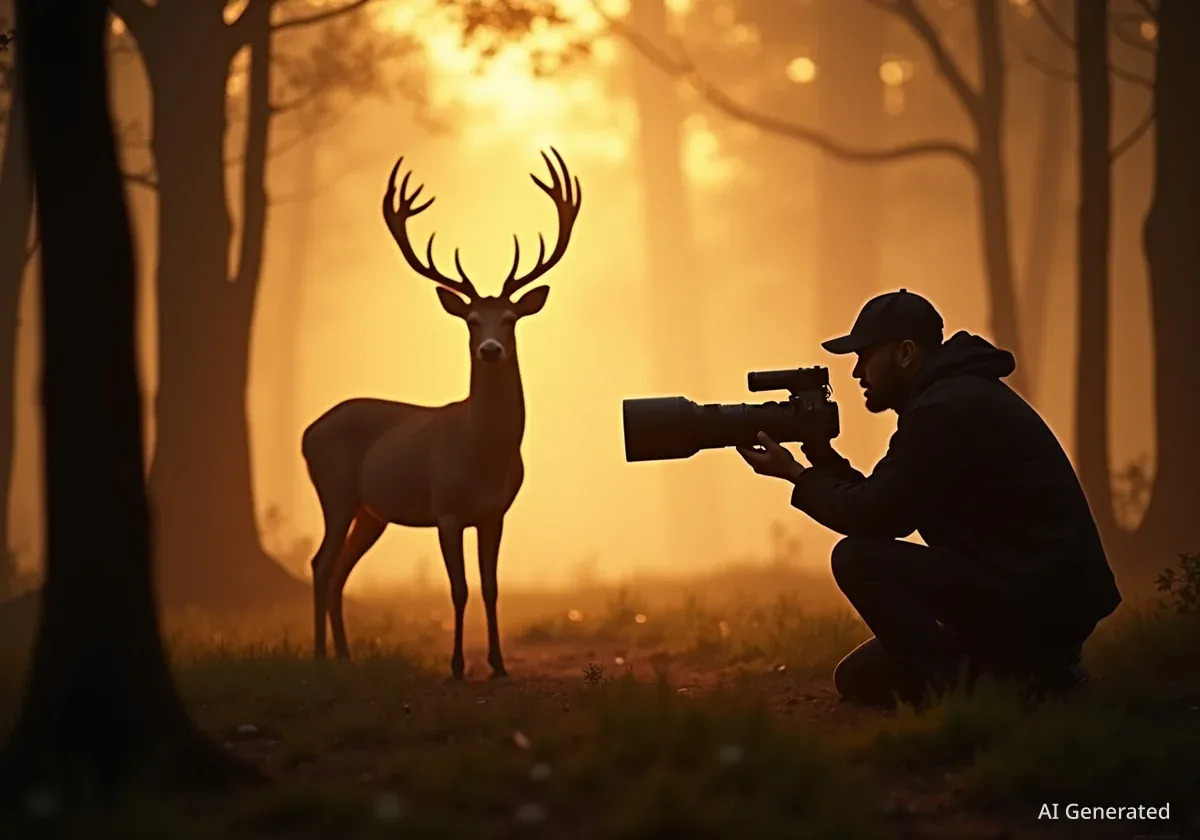
This means planning shoots around the 'golden hours'—the first hour after sunrise and the last hour before sunset. During these times, the sun is low in the sky, creating soft, warm light that adds depth, texture, and mood to an image. Photographers will also experiment with different angles to use light creatively, such as backlighting to create a dramatic rim-light effect around a subject.
"Light is a major factor that adds depth to images and makes them more dynamic. A skilled photographer considers various times of day and angles to create images with striking contrast and impact."
Habit 2: Mastering the Subject and Its Environment
Another key discipline is developing an intimate knowledge of the animal and its habitat. This goes far beyond simply identifying a species. It involves studying behavioral patterns, understanding social structures, and recognizing signs that predict specific actions. This expertise transforms the photographer from a tourist into a naturalist with a camera.
For example, knowing that a certain bird species performs a courtship dance at dawn allows a photographer to be in the right place at the right time. Understanding a predator's hunting patterns increases the chances of capturing a dramatic moment of action. This knowledge is built through research, observation, and, most importantly, spending extensive time in the field.
Patience is a direct result of this knowledge. When you know what to look for, waiting for hours becomes a strategic investment rather than a frustrating exercise. The best shots are rarely accidental; they are the result of anticipating a moment based on a deep understanding of the subject.
Habit 3: Meticulous Planning and Research
Exceptional wildlife images are rarely the product of luck alone. They are born from meticulous planning and research. Before even stepping into the field, top photographers invest significant time in understanding the location they plan to visit. This includes studying maps, learning about the local ecosystem, and researching recent animal sightings.
This research helps in several ways:
- Maximizing Time: Knowing the best areas to find specific animals saves valuable time on location.
- Predicting Conditions: Understanding seasonal changes, weather patterns, and animal migration schedules is crucial.
- Creative Preparation: Researching a location can inspire new photographic ideas and compositions before the trip begins.
The Power of Persistence
According to many professional photographers, over 90% of their time in the field does not result in a portfolio-worthy image. Success is a numbers game, where persistence directly increases the opportunity for capturing a rare, perfect moment.
Habit 4: Ethical Practices and Respect for Wildlife
A non-negotiable habit for any serious wildlife photographer is a commitment to ethical practices. The welfare of the animal and its environment must always come first. This principle governs every decision made in the field, from how close to get to a subject to whether to even take the shot.
Unethical practices, such as baiting animals, chasing them, or altering their environment, not only cause stress and harm to wildlife but also result in unnatural-looking photographs. True professionals pride themselves on capturing authentic behavior without interference. They follow a simple rule: leave no trace. This respect for nature is a hallmark of the best photographers in the genre.
Habit 5: Post-Processing with a Clear Vision
The work of a wildlife photographer does not end when the shutter is pressed. The process of editing and developing a digital file is where the artist's vision is fully realized. Top photographers approach post-processing with the same intentionality as they do shooting in the field.
This is not about manipulating an image to create a false scene. Instead, it is about using tools like Adobe Lightroom and Photoshop to enhance the mood, correct colors, and draw the viewer's eye to the most important parts of the photograph. The goal is to make the final image reflect the feeling and emotion of the moment as it was experienced in person.
Habit 6: Embracing Persistence and Opportunity
Luck is often described as what happens when preparation meets opportunity. In wildlife photography, a huge factor in creating opportunity is simply being there. Many photographers only venture out a few times a year and are then disappointed with their results. Elite photographers understand that persistence is key.
The more time you spend in the field, the greater your chances of witnessing and capturing a magical moment. This means going out even when the weather isn't perfect or when previous trips have been uneventful. Every hour spent observing and waiting is an investment that increases the probability of being in the right place at the right time for that once-in-a-lifetime shot.
Habit 7: Continuous Learning and Self-Critique
Finally, the best wildlife photographers are never satisfied with their current skill level. They are perpetual students of their craft, constantly seeking new knowledge, techniques, and inspiration. They study the work of other photographers, read books on animal behavior, and are not afraid to experiment with new styles.
Equally important is the ability to critically evaluate their own work. They analyze their images to understand what worked and what didn't, and they actively seek feedback from trusted peers. This habit of continuous improvement ensures that their skills never stagnate and that their photography continues to evolve over time.