A new report indicates that many American museums are not transparent enough about artworks potentially looted by Nazis. The study, conducted by the World Jewish Restitution Organization (WJRO), reveals significant gaps in provenance data available online. This lack of information makes it difficult for families to trace their heritage and seek justice for stolen art.
Key Takeaways
- Most US museums do not provide full provenance data online for WWII-era art.
- An estimated 19,000 artworks with provenance gaps are no longer centrally listed.
- The WJRO urges museums to improve transparency and invest in research.
- A planned Taiwanese art exhibition in Kazakhstan was canceled amid censorship concerns.
- Marina Abramović will have a historic solo exhibition in Venice.
US Museums Lack Provenance Transparency
Many American museums are failing to provide clear online information about the origins of artworks in their collections, especially those acquired during World War II. This finding comes from a recent report by the World Jewish Restitution Organization (WJRO). The report highlights that crucial provenance data is often missing from online descriptions, making it harder for families of Holocaust victims to identify and claim looted art.
According to the New York Times, the WJRO report found that most American museums do not make this data readily accessible. This lack of transparency poses a significant barrier for those seeking to recover items taken during the Nazi era. The issue gained prominence after the American Alliance of Museums closed its online portal last year.
Fact: Provenance Data Gaps
The American Alliance of Museums previously maintained an online portal listing nearly 30,000 artworks with gaps in their provenance during the World War II era. After the portal closed, only 10,668 of these works can now be found through individual museum websites, according to the WJRO. This means approximately 19,000 artworks are no longer easily traceable through a central database.
Gideon Taylor, president of the WJRO, issued a strong statement regarding the findings. He emphasized the urgent need for museums to act responsibly.
"We urge American museums to do more—to open their records, invest in provenance research, and ensure that Holocaust survivors and their families have the information they need to pursue justice," said Gideon Taylor.
This call to action underscores the ongoing moral and ethical responsibilities of cultural institutions. Restitution efforts depend heavily on accessible and accurate information.
Taiwanese Art Exhibition Canceled in Kazakhstan
A planned exhibition featuring contemporary Taiwanese artists at the Central State Museum in Almaty, Kazakhstan, was abruptly canceled. The show was set to open on September 12, as reported by Ocula. Curated by Wang Chun-chi, the exhibition was promoted locally as the first Taiwanese art show in Almaty.
Artists such as Yao Jui-chung and Wu Chi-tsung were scheduled to participate. Taiwan’s Ministry of Foreign Affairs stated that the Chinese government objected to the exhibition. They also objected to its original title, which included a reference to Taiwan. This suggests potential political interference.
Context: Political Interference in Art
The cancellation sparked speculation about political influence. While the museum cited "venue repairs" as the reason for cancellation, it hosted a fashion show during the same period. This discrepancy fueled concerns that the cancellation was not due to logistical issues but rather external pressure.
Such incidents highlight the challenges artists and cultural institutions face when geopolitical tensions intersect with artistic expression. Taiwan's international cultural presence often encounters obstacles due to China's 'One China' policy.
Major Developments in the Art World
Beyond provenance issues and exhibition cancellations, several other significant events are shaping the global art landscape. These include new insights into historical texts, artifact restitutions, and landmark exhibitions.
New Insights on the Book of Kells
A new book may challenge long-held beliefs about the origins of the Book of Kells. This illuminated manuscript, detailing the four Gospels, is approximately 1,200 years old. It was traditionally thought to have been created at a monastery in Iona. However, Dr. Victoria Whitworth has presented new evidence suggesting it was made in Pictish, eastern Scotland. This research could redefine understanding of a significant historical artifact, according to The Guardian.
Dutch Government Returns Fossils to Indonesia
The Dutch government has announced its decision to return around 28,000 fossils to Indonesia. Among these are Homo erectus remains collected by 19th-century physician Eugene Dubois. Many of these fossils were excavated in Java and Sumatra during Dutch colonial rule. They contributed to Dubois’s groundbreaking work on human evolution. Indonesia formally requested the return in 2022. The Netherlands' Colonial Collections Committee has approved this restitution. This action reflects a growing global trend of repatriating cultural and historical artifacts to their countries of origin, as reported by Art Dependence.
New Museum Director to Retire
Lisa Phillips, 71, the director of New York’s New Museum, will retire after more than 25 years. Her tenure saw significant growth for the institution. The museum is currently undergoing a 62,000-square-foot expansion, which was expected to open this fall, according to ARTnews.
Marina Abramović's Historic Venice Exhibition
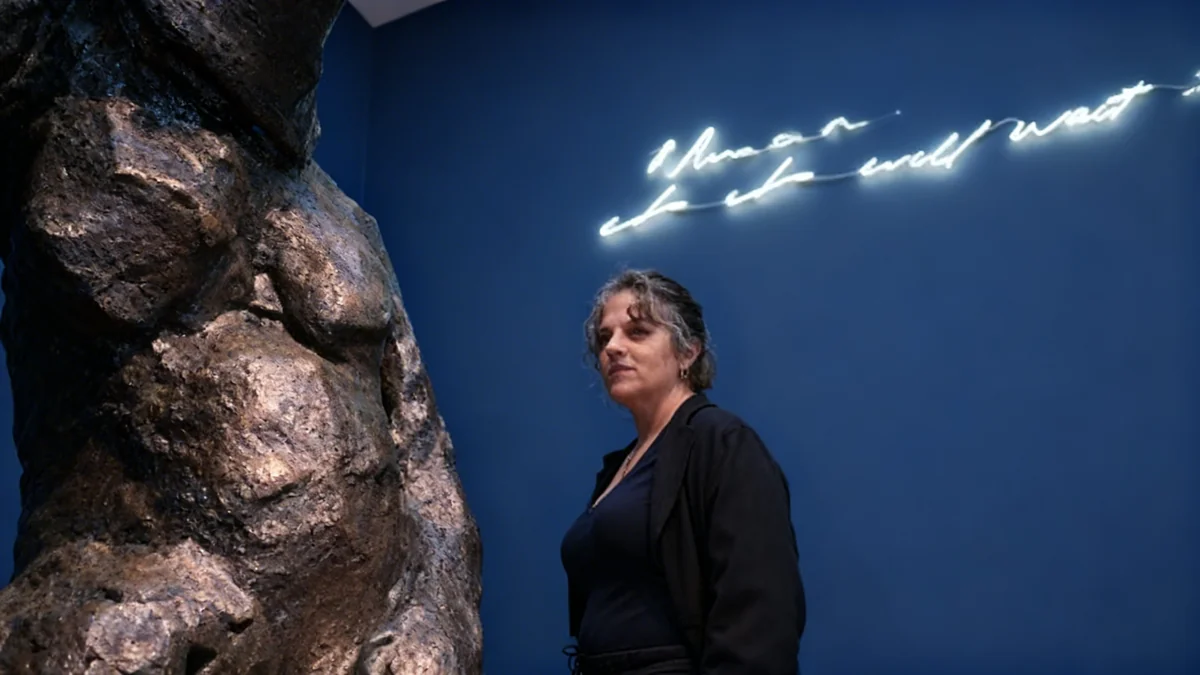
Marina Abramović will be the focus of a historic solo exhibition at the Galleria dell’Accademia in Venice. This exhibition, opening in May 2026, marks a significant milestone. Abramović will be the first woman artist to receive this honor in the academy’s 250-year history. This event highlights her enduring influence on contemporary performance art, as reported by The Art Newspaper.
Chicago Architecture Biennial Protests
Nine participants have withdrawn from the Sixth Chicago Architecture Biennial (CAB). They are protesting one of its sponsors, Crown Family Philanthropies. In a letter, the artists and architects stated that the foundation holds a 10 percent stake in General Dynamics. General Dynamics is a military contractor that supplies arms to the Israeli government. This withdrawal underscores growing activism within the art community regarding ethical sponsorship and political affiliations, according to Artforum.
Memoir Controversy: Amy Griffin's "The Tell"
Amy Griffin, a notable figure on the boards of the Metropolitan Museum of Art and Gagosian, is currently facing controversy related to her bestselling 2025 memoir, The Tell. In her book, Griffin, 49, claims to have recovered memories of being raped by a middle-school teacher in Amarillo, Texas, through MDMA therapy.
The memoir gained significant attention, becoming a bestseller and Oprah Winfrey’s 112th book-club selection. It received endorsements from public figures like Reese Witherspoon and Gwyneth Paltrow.
However, after months of investigation, the New York Times reported new allegations. A former classmate now claims she was assaulted by a different teacher under similar circumstances, with details that closely resemble episodes Griffin described as her own. The newspaper also reported that Griffin did not inform a local detective that her memories were retrieved using psychedelics.
Fact: Financial Ties to Psychedelic Therapy
The controversy is further complicated by financial connections. Griffin’s husband donated $1 million to the Multidisciplinary Association for Psychedelic Studies. Additionally, through the couple’s foundation, they invested in an MDMA-focused pharmaceutical company. These financial ties raise questions about potential conflicts of interest related to the memoir's claims and the promotion of MDMA therapy.
In a statement to the Times, Griffin’s lawyer indicated that the story has caused "additional trauma" to their client. The ongoing situation highlights the complex nature of memory, trauma, and public narratives, especially when involving celebrity influence and sensitive personal experiences.
- Van Gogh Lawsuit: Heirs of a German Jewish collector are urging a court to revive a lawsuit concerning a Van Gogh painting, seeking restitution for art allegedly sold under duress during the Nazi era.
- Uzbekistan's Art Scene: Uzbekistan is seeing a growing interest in its contemporary art scene, drawing international attention to its cultural developments.
- Kennedy Center Staffing: Two more staffers were reportedly fired from the Kennedy Center, adding to recent organizational changes within the institution.