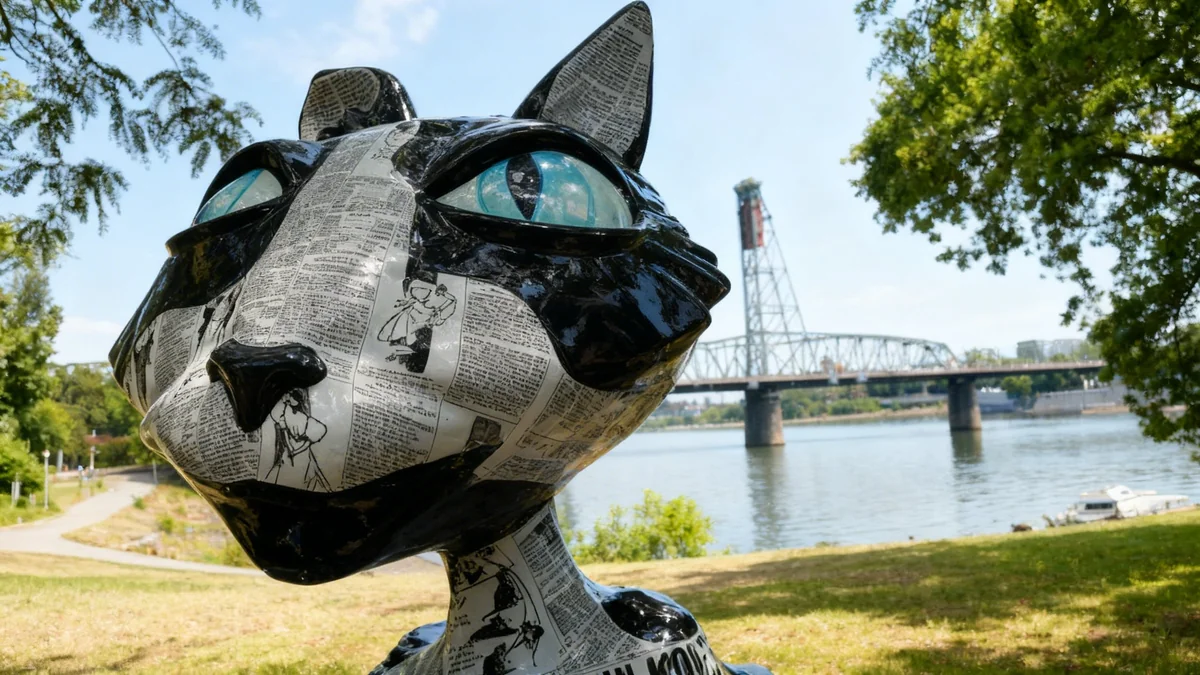
The 18th Istanbul Biennial has opened its initial phase to the public. Organized by the Istanbul Foundation for Culture and Arts (İKSV), this major art event will run until November 23, 2025. Curated by Christine Tohmé, the biennial is titled "The Three-Legged Cat" and is designed as a three-year process, continuing through 2027.
This first chapter focuses on themes of self-preservation and future possibilities. It acknowledges the challenging global environment. The exhibition features works by 47 artists across eight unique venues in Istanbul's Beyoğlu and Karaköy districts, creating a walkable art route that integrates with the city's historical architecture.
Key Takeaways
- The 18th Istanbul Biennial's first phase is open until November 23, 2025.
- Curated by Christine Tohmé, the biennial is a three-year event, concluding in 2027.
- It explores themes of self-preservation and futurity amidst global challenges.
- Works by 47 artists are displayed across eight venues in Beyoğlu and Karaköy.
- Many venues are historical sites, reflecting Istanbul's urban changes.
A Three-Year Artistic Journey Unfolds
The 18th Istanbul Biennial is structured as a multi-year project. The current 2025 phase marks its beginning. The second phase, planned for 2026, will concentrate on establishing an academy and fostering collaborations with local community initiatives. This will involve a series of public programs aimed at deeper engagement.
The third and final chapter, set for 2027, will bring together all experiences and insights gathered during the previous years. This culmination will take the form of comprehensive exhibitions and interactive workshops, showcasing the biennial's long-term vision.
Biennial Background
The Istanbul Biennial is an international contemporary art exhibition held every two years. It aims to foster dialogue between artists and the public through contemporary art. Organized by İKSV, it has become a significant event in the global art calendar, often addressing pressing social and political issues through artistic expression.
Curatorial Vision: Art as Resistance
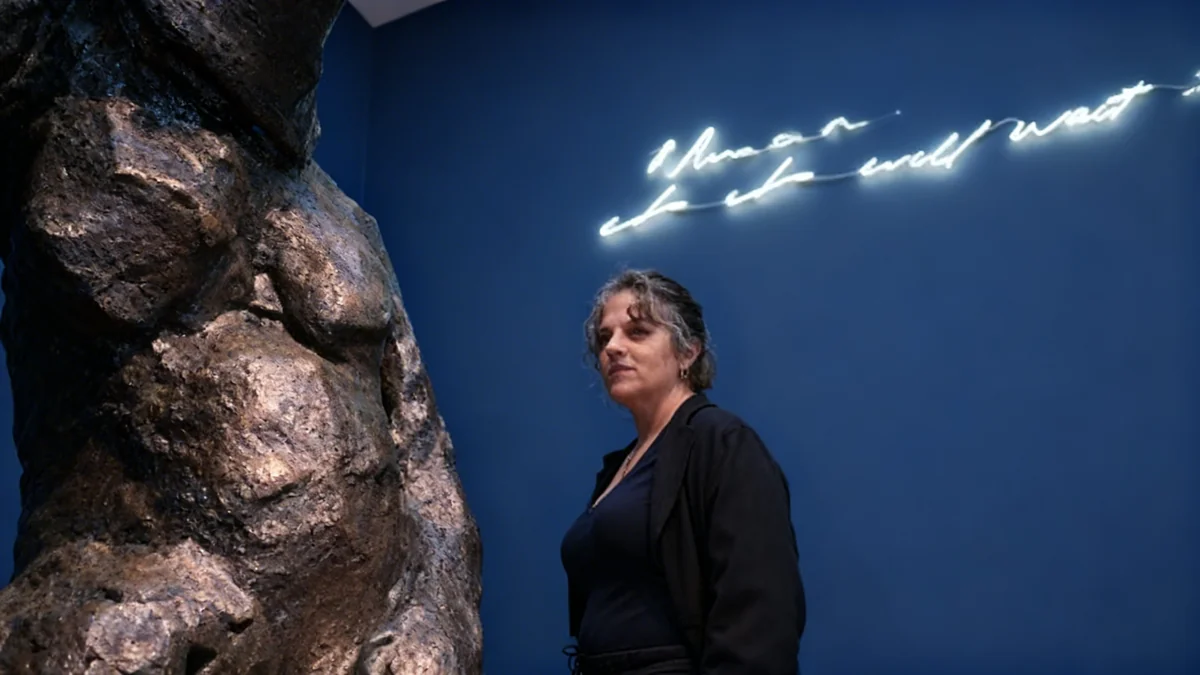
Christine Tohmé, a curator based in Beirut, Lebanon, leads this edition. She is recognized for her work that combines cultural production, art education, and community building. Her curatorial approach for the 18th Istanbul Biennial considers self-preservation and future prospects, especially in a world marked by violence.
"Artmaking is engaged as a counterpoint to erasure, in summoning what has been buried, in generating surplus from loss, and in projecting possible worlds, it becomes a form of testimony and an index of persistence."
Tohmé emphasizes that art acts as a powerful tool against forgetting. It helps uncover what has been hidden and creates new possibilities from challenging situations. This perspective positions art as a vital form of witness and a sign of ongoing resilience.
The theme, "The Three-Legged Cat," proposes that the act of preservation itself is a way of building new worlds. Simple actions such as resting, lingering, scavenging, laughing, or refusing are not small gestures. Instead, they are fundamental elements for creating a future yet to come. This idea encourages a rethinking of what constitutes meaningful action in difficult times.
Exploring Historic Venues in Istanbul
The biennial is spread across eight distinct locations within Istanbul's Beyoğlu and Karaköy districts. This arrangement forms a route that visitors can walk, allowing them to experience art interwoven with the city's unique architectural landscape. Many of these venues are historic buildings, some abandoned, under renovation, or in a state of transition.
These choices highlight the precarious condition of Istanbul's built environment. Spaces for cultural production often face challenges from gentrification and commercial pressures. By using these transitional spaces, the biennial draws attention to these urban issues.
Venue Insights
- Muradiye Han: Designed by M. Vedad Tek, a key architect of the First National Architecture Movement. It was a trading house, then a French military post, and restored in 2021.
- Galeri 77: A former wine storage facility dating back to 1895.
- Elhamra Han: One of Istanbul's earliest theater halls, built in 1827, later repurposed for entertainment and commerce.
Interventions in these sites have been minimal, limited to essential refurbishments. This approach ensures that the artworks directly respond to the existing architecture and the surrounding urban environment. This direct engagement allows the art to be in conversation with the history and current state of the city.
The 2025 edition showcases works by 47 artists across these eight locations. Each venue holds its own historical and architectural importance. This selection of sites enhances the dialogue between the art and the city's rich past.
Featured Artists and Installations
Khalil Rabah's "Red Navigapparate"
One notable installation is Khalil Rabah's "Red Navigapparate," located in the Garden of the Former French Orphanage. This piece combines spatial intervention with conceptual ideas. It addresses issues of land, displacement, and contested histories.
The installation features a narrow water channel cutting through the site. A rigid red pipe crosses this channel, symbolizing systems of extraction and control. On one side, a manual transpalette on a marble pedestal creates a contrast between movement and restriction. On the opposite side, a field of more than 1,000 red barrels, each containing an olive, citrus, or nut tree, forms a temporary nursery. This arrangement visually represents the tension between being rooted and being displaced.
Ana Alenso's "What Mine Gives, the Mine Takes"
At Muradiye Han, Ana Alenso presents an immersive multimedia installation. Her work reflects on the social and ecological impacts of gold mining in Venezuela's Amazon region. It provides a powerful commentary on the environmental and human costs associated with resource extraction.
Ola Hassanain's "A Whispering Dam"
Galeri 77 hosts Ola Hassanain's "A Whispering Dam (2024)." This sculptural work explores the connections between built infrastructure, natural ecosystems, and power structures. It references the modernist Sennar Dam on the Blue Nile in Sudan. The artwork evokes the interplay of environmental fragility, social life, and political systems.
Lungiswa Gqunta's "Assemble the Disappearing"
At the Galata Greek School, Lungiswa Gqunta introduces "Assemble the Disappearing (2024–2025)." This installation creates a maze-like, post-organic landscape. Its breaks and twists suggest discontinuity and collapse. Gqunta draws inspiration from anti-colonial thinker Amílcar Cabral, who highlighted the importance of returning to the land for liberation.
Gqunta's work extends her ongoing artistic practice of resisting colonialism, dispossession, and erasure. It also addresses the lasting effects of patriarchy, imperial violence, and apartheid in South Africa. Her installation prompts viewers to consider historical injustices and their contemporary manifestations.
Art Reflecting Global Conditions
With its first chapter now open, the 18th Istanbul Biennial connects contemporary artistic practices with both Istanbul's evolving urban landscape and broader global conditions. By engaging with significant themes such as displacement, memory, ecology, and resistance, the biennial positions art as a critical means of understanding the present and imagining potential futures.
The exhibition's placement across historically rich venues in Beyoğlu and Karaköy underlines the strong relationship between cultural production and the built environment. It highlights how art can illuminate and interact with the physical spaces of a city.
Other International Art Events
Globally, several other significant art and architecture events are also taking place:
- The inaugural Copenhagen Architecture Biennial opened on September 18 and continues until October 19. Its theme is "Slow Down."
- The first edition of the Bukhara Biennial is open until November 20. It features over 70 site-specific commissions within the historic core of the Uzbek city, as part of a long-term heritage plan.
- The 19th Venice Architecture Biennale remains on view until November 23. It showcases 65 National Pavilions and contributions from more than 750 participants across various disciplines and generations.