Barcelona's iconic Casa Batlló will open its second floor to the public for the first time in January 2026. This newly accessible space will function as a contemporary art gallery, expanding the existing Casa Batlló Contemporary program. The initiative aims to recontextualize Antoni Gaudí's architectural legacy through modern artistic interpretations and new technological integrations.
Key Takeaways
- Casa Batlló's second floor opens to the public in January 2026.
- The space will host two contemporary art exhibitions annually.
- London-based United Visual Artists will present the inaugural exhibition.
- The opening coincides with the centenary of Antoni Gaudí's death.
- A six-year, €30 million restoration project preceded this expansion.
New Public Access to Historical Space
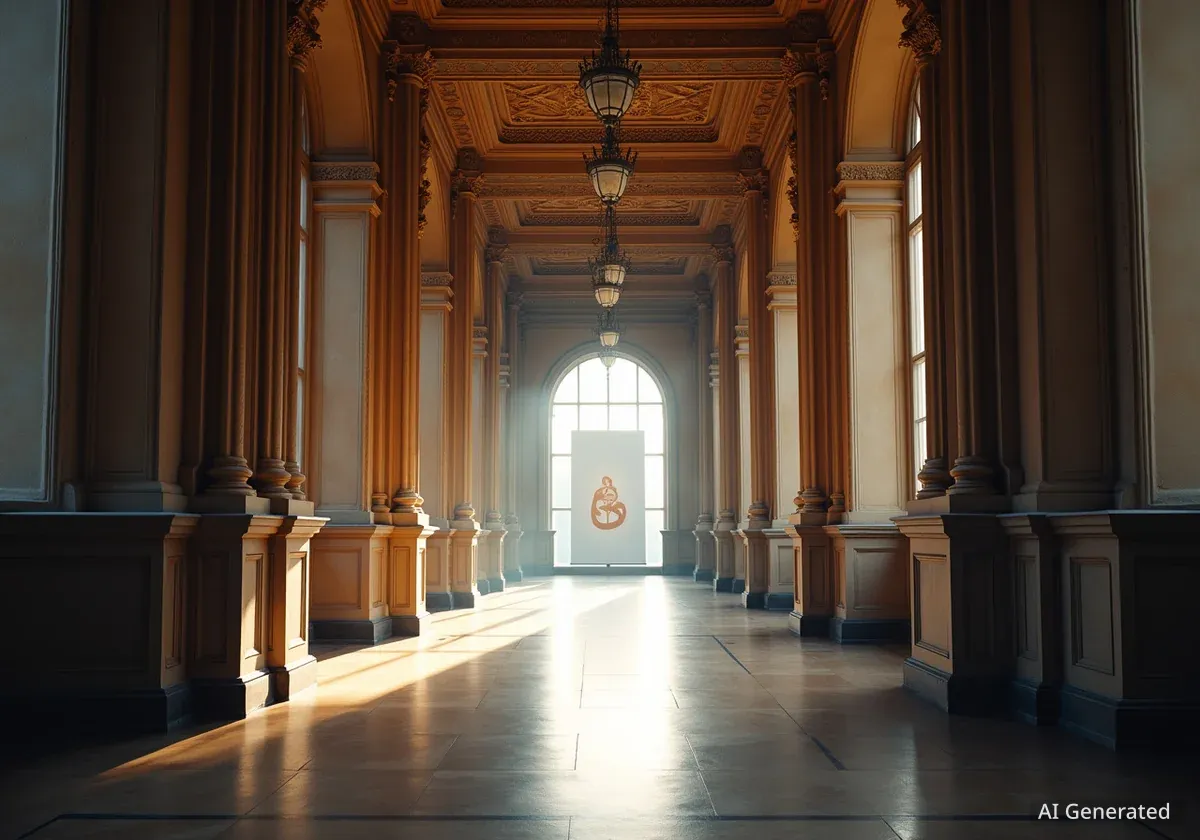
For decades, the second floor of Casa Batlló served various purposes, including residential apartments, offices, and a maintenance workshop. These uses gradually obscured much of its original architectural detailing. The upcoming transformation will restore historical elements while creating a modern exhibition environment.
Visitors will be able to access the gallery either through a general entry ticket to Casa Batlló or by purchasing a standalone ticket specifically for the exhibitions. This provides flexibility for art enthusiasts and general tourists alike.
"We wanted to bring back its atelier character," stated Gary Gautier, the general director of Casa Batlló. "We have restored everything that was original, such as the marquetry, while giving the rest a sober, elegant character."
Casa Batlló received its designation as a UNESCO World Heritage site in 2005, recognizing its universal architectural significance. The new gallery space aims to honor this legacy while introducing new perspectives.
Fast Fact
Casa Batlló was originally built in 1877 and was redesigned by Antoni Gaudí between 1904 and 1906, becoming one of his most celebrated works.
Design Philosophy and Restoration Efforts
Barcelona-based studio Mesura led the redesign of the second floor. Their work included installing a distinctive curved metal ceiling. This ceiling features concentric ripples that intentionally echo Gaudí's signature undulating forms and organic lines.
Carlos Dimas, a partner at Mesura, highlighted the delicate balance required for the project. "Intervening in a Gaudí building is both a dream and an enormous responsibility. Our goal was to create an echo of his work, a whisper that adds to his universe without altering it," Dimas explained.
The restoration focused on preserving and revealing original architectural details. For example, intricate marquetry, a form of decorative wood inlay, has been meticulously brought back to its former state. The remaining areas feature a minimalist, refined aesthetic.
Inaugural Exhibition by United Visual Artists
The first exhibition on the second floor will open on January 31, 2026. It will showcase new works by United Visual Artists (UVA), a London-based art practice founded by British artist Matt Clark. UVA is known for its large-scale installations and use of light and technology.
Beyond the indoor gallery, UVA will also contribute to Casa Batlló's annual Mapping event. This involves projecting monumental digital artworks onto the modernist façade of the building. The Mapping event has been a popular cultural fixture in Barcelona since its launch in 2019.
Cultural Impact of Mapping
The annual Mapping event at Casa Batlló has gained significant attention. Previous editions featured prominent artists such as Refik Anadol, Sofia Crespo, and Quayola. Quayola's 2024 projection, titled Arborescent, attracted an impressive 110,000 spectators, demonstrating the event's broad appeal.
Connecting Past and Future
Maria Bernat, the director of Casa Batlló Contemporary, emphasized the program's core mission. "Casa Batlló Contemporary aims to foster a dialogue between the past and future, situating Antoni Gaudí’s legacy within a contemporary framework," Bernat stated.
She added that the initiative uses art and architecture to explore Gaudí's radical vision. It connects his ideas with present-day thinking, upholding his spirit of innovation and disruption. This approach also seeks to engage with Barcelona’s active artistic community.
The opening of the new gallery space is significant for several reasons. It coincides with the centenary of Gaudí's death, marking a moment of reflection and celebration of his contributions to architecture.
This development also follows a major six-year restoration and high-tech renovation of Casa Batlló. This project involved an investment of €30 million and added 2,000 square meters of space for immersive exhibitions. Last June, the building's façade was fully restored to its original design.
- The restoration added 2,000 square meters for immersive exhibitions.
- The façade restoration was completed in June of the previous year.
Further restoration work is currently underway. Efforts are focused on the building's rooftop chimneys and its third floor. The third floor was occupied by tenants until 2019 and is scheduled to open to the public later in 2026. These ongoing projects underscore a commitment to preserving and enhancing this architectural masterpiece for future generations.