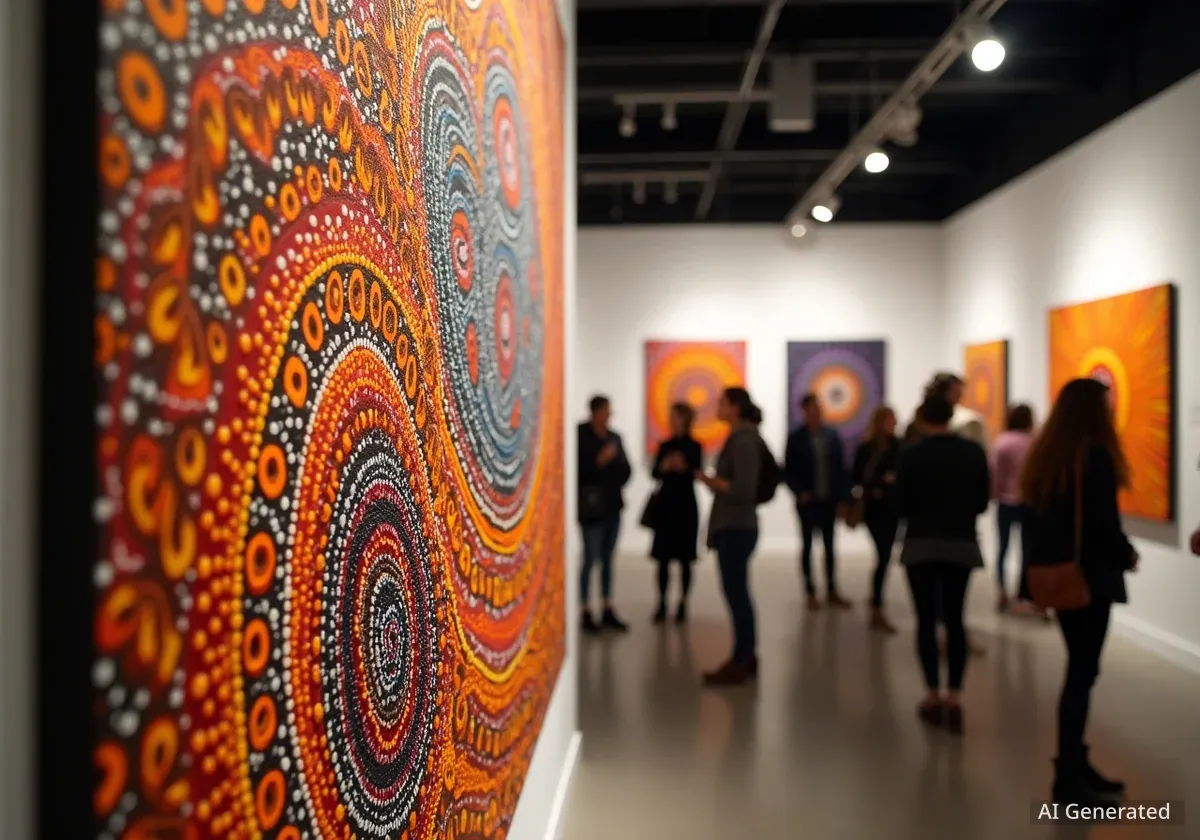
A unique pop-up art gallery in downtown Washington D.C. recently showcased a vibrant collection of Australian Indigenous artworks. The exhibition, nestled between a bank and a men's workwear store, provided a rare opportunity for American audiences to engage with the rich cultural heritage of Australia's First Peoples.
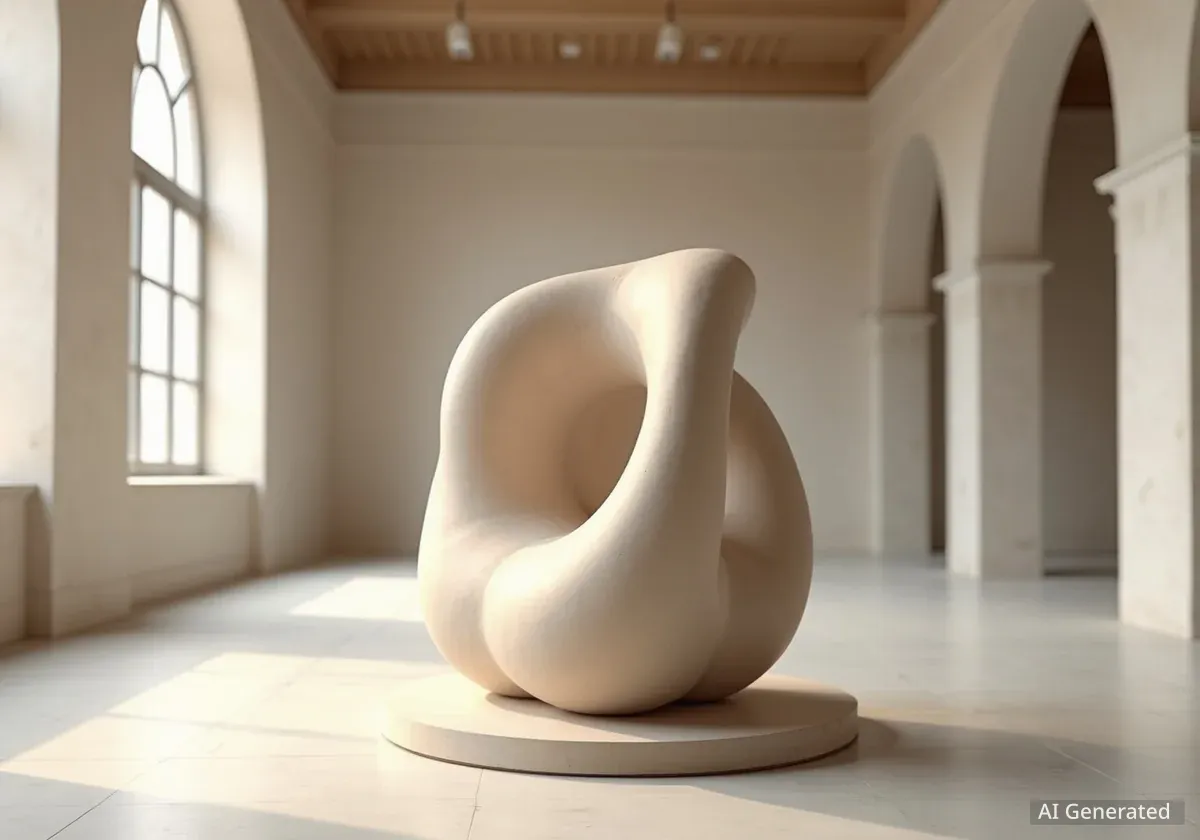
The temporary gallery featured an array of dot paintings, intricate sculptures, and other significant works, drawing attention to the diverse artistic traditions from across the Australian continent. Visitors experienced a direct connection to ancient stories and contemporary expressions through these powerful pieces.
Key Takeaways
- A pop-up gallery in Washington D.C. introduced Australian Indigenous art to new audiences.
- The exhibition featured traditional dot paintings and modern sculptures.
- Such initiatives help bridge cultural gaps and promote understanding.
- The temporary nature of the gallery created a sense of urgency and exclusivity.
Bringing Remote Art to Urban Spaces
The decision to host a pop-up gallery in a bustling urban center highlights a growing trend in the art world. Galleries are increasingly moving beyond traditional museum settings to reach wider, more diverse audiences. This particular space, a converted retail unit, offered an informal yet impactful environment for viewing the art.
Daniel Soma, a visitor on a Wednesday evening, found himself immersed in the brightly lit space. He observed the artworks alone, reflecting on the profound narratives embedded within each piece. This quiet contemplation is often lost in larger, more crowded museum exhibitions.
Did You Know?
Australian Indigenous art is one of the oldest continuing art traditions in the world, with origins dating back tens of thousands of years. It often serves as a form of storytelling, mapping, and preserving cultural knowledge.
The Significance of Dot Paintings
Many of the artworks displayed were traditional dot paintings. These pieces are not merely decorative; they are complex visual narratives. Each dot and line carries specific meanings, often depicting ancestral stories, creation myths, and land features. The artists use these patterns to share knowledge passed down through generations.
The vibrant colors and intricate designs immediately captivated onlookers. The technique of dot painting, originally used for sacred ceremonies, became a globally recognized art form in the 1970s. This shift allowed artists to share their culture more broadly while protecting sensitive information.
Cultural Exchange and Global Understanding
Exhibitions like this foster important cultural exchange. They allow people from different backgrounds to learn about and appreciate the rich heritage of Indigenous Australians. This direct engagement can break down stereotypes and build empathy.
The presence of these artworks in Washington D.C. also underscores the global reach of Indigenous art. It demonstrates a growing international interest in diverse cultural expressions and a desire to understand different worldviews. Such initiatives are crucial for promoting a more inclusive global dialogue.
"Art is a universal language. When we bring these powerful stories to new audiences, we open doors to understanding and connection," a cultural observer noted, highlighting the transformative power of such exhibitions.
The Role of Pop-Up Galleries
Pop-up galleries offer several advantages. They are flexible, allowing curators to experiment with different locations and themes. Their temporary nature can also create a sense of urgency, encouraging more people to visit before the exhibition closes.
For artists, pop-ups provide an accessible platform to showcase their work without the long-term commitments of traditional galleries. This model can be particularly beneficial for promoting emerging artists or niche art forms that might not immediately fit into established institutions.
Background on Australian Indigenous Art
Indigenous Australian art encompasses a vast range of styles, materials, and meanings, reflecting the diversity of over 250 distinct language groups across Australia. Art is deeply intertwined with spirituality, land, and identity, serving as a vital medium for cultural transmission and continuity.
The Impact on Local Communities
While the pop-up gallery was temporary, its impact on local Washington D.C. residents could be lasting. Exposure to new art forms can inspire creativity, spark conversations, and broaden perspectives. It adds another layer to the city's already vibrant cultural landscape.
Local schools and community groups might draw inspiration from such exhibitions, leading to educational programs or art projects focused on global cultures. The ripple effect of even a small, temporary display can be significant.
Future of Indigenous Art Exhibitions
The success of this pop-up suggests a strong appetite for more Indigenous art exhibitions in the future. As global connectivity increases, there is a greater demand for authentic cultural experiences. Curators and art promoters are likely to explore more innovative ways to present these important works.
We may see more collaborations between international galleries and Indigenous art centers, creating pathways for artists to share their stories with a worldwide audience. This continued exposure is vital for the preservation and celebration of Indigenous cultures.
- Increased public awareness of Indigenous art.
- Opportunities for cross-cultural dialogue.
- Support for Indigenous artists and communities.
- Innovation in gallery presentation and accessibility.
The Washington D.C. pop-up was a small but powerful example of how art can transcend borders and build bridges between cultures. It was a reminder of the enduring power of human creativity and storytelling.