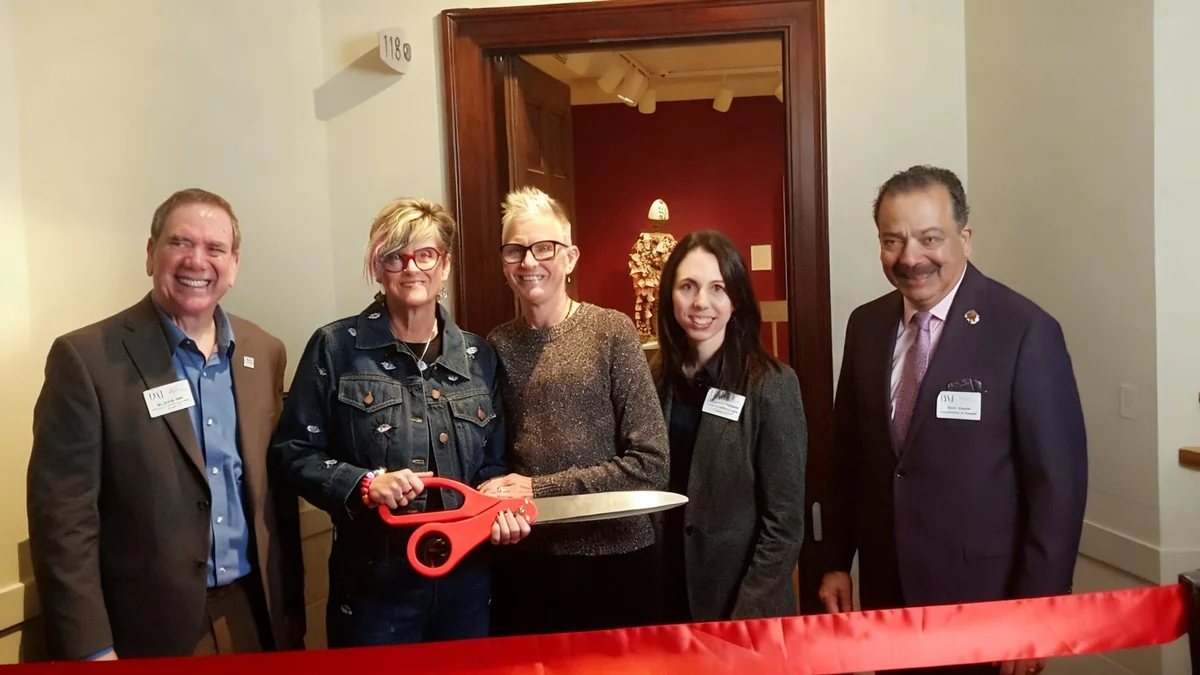
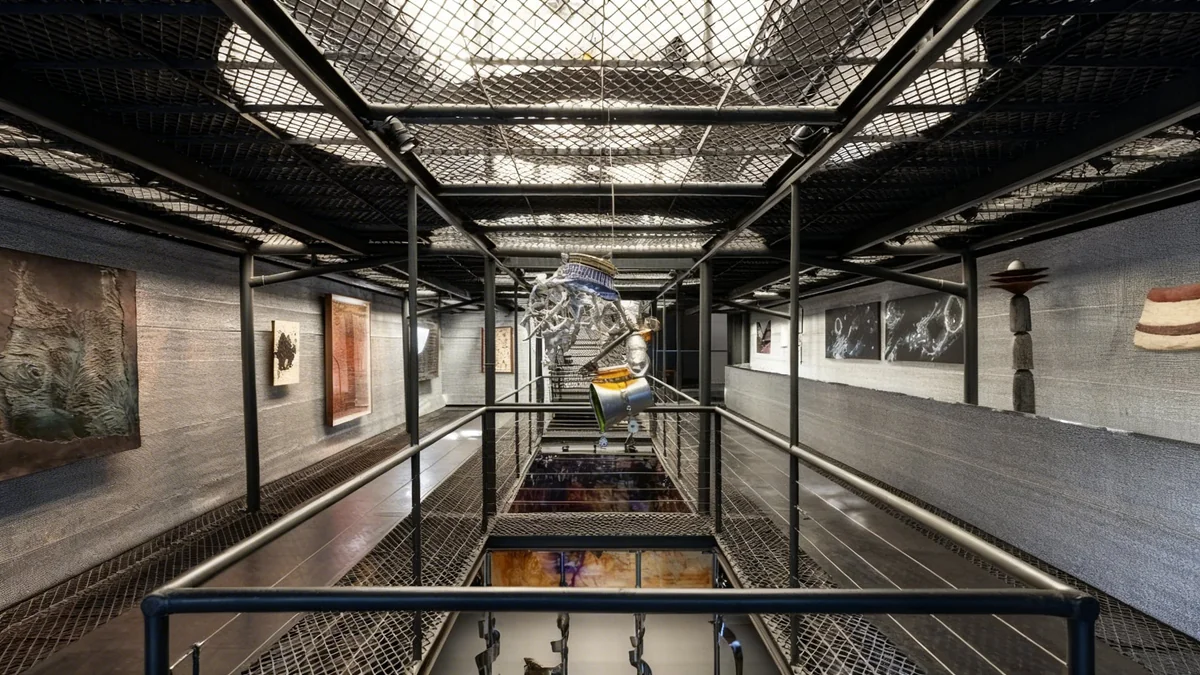
The Dayton Art Institute officially opened a new gallery dedicated to feminist art on Saturday. This significant addition, named after donors Sara M. and Michelle Vance Waddell, will serve as a permanent space for art created by women. The institute's leaders emphasized that this collection marks one of the most important regional holdings of feminist art, set to influence future educational programs, exhibitions, and artistic inspiration for generations.
Key Takeaways
- Dayton Art Institute establishes a permanent gallery for feminist art.
- The gallery is named in honor of donors Sara M. and Michelle Vance Waddell.
- A dedicated curator, Dr. Mariah Postlewait, will focus solely on art by women.
- The inaugural exhibition explores feminism in three parts: 'Feminism 101', 'Pivotal Issues and Influential Figures', and 'Rallying Cries and Civic Engagement'.
- The collection includes works by notable artists like Cindy Sherman and Deborah Kass.
A New Era for Women in Art
Mark Shaker, the interim director and president of the Dayton Art Institute, spoke to a large audience during the ribbon-cutting ceremony. He highlighted the profound impact of the new gallery.
"Our museum will hold one of the most significant collections of feminist art in the region. In addition, that will influence how we teach, how we exhibit, and how we inspire for generations," Shaker stated.
He further added that this collection is not merely a group of artworks. It represents a clear statement and declaration that women's creative contributions deserve both preservation and central placement within the art world.
The Vance Waddells' contribution extends beyond the art collection itself. Their generosity also funded a new curatorial position specifically for art by women. Dr. Mariah Postlewait has been appointed to this role. Her work will ensure that these significant pieces and the ideas behind them are actively researched and shared with the public for decades to come.
Fact: Persistent Disparity
Despite increased awareness, women artists remain underrepresented in major museum collections globally. This new gallery aims to directly address this imbalance.
Addressing Gender Imbalance in the Art World
Art collector Sara M. Vance Waddell addressed the persistent gender disparity in the art world. She expressed her strong desire to bring about change, starting right at the Dayton Art Institute.
"I want to change this," Sara M. Vance Waddell declared. "And we are starting right here, right now, at the Dayton Art Institute."
The establishment of this gallery follows the successful "Riveting: Women Artists from the Sara M. and Michelle Vance Waddell" exhibition in 2024. This earlier exhibition allowed art enthusiasts to experience a wide range of works by women artists from various parts of the world. The positive community response encouraged the Vance Waddells to donate their entire collection to the museum.
Dr. Postlewait noted the profound impact of this donation. "They have invested in all of these ways in art, in women, in underrepresented artists, and this opening is celebrating that moment and a chance to unveil it and reveal it to the community," she explained.
Historical Context of Women in Art
Historically, women artists faced significant barriers to education, exhibition, and recognition. Many were relegated to specific genres or overlooked entirely. Feminist art movements emerged to challenge these norms and advocate for equal representation and critical attention.
A 'Game Changer' for Museums
Sara M. Vance Waddell described the new gallery's opening as a "game changer." She hopes it will inspire other museums to follow suit. She believes Dayton offers a strong home for this collection, fostering a stewardship and friendship that will yield many positive outcomes in the future.
"I want more institutions to see what they’re doing in Dayton, pick up on it, and continue this conversation. My hope is one day we’ll have more space for women artists," she added, emphasizing a broader vision for the art community.
The institute will receive pieces from the Vance Waddell collection over several years. For its first full year, the new gallery will feature a three-part exhibition designed to educate and engage visitors on the topic of feminism.
Exploring Feminism Through Art
Dr. Postlewait outlined the inaugural exhibition's structure:
- The first part, titled 'Feminism 101', runs initially. It aims to introduce visitors to the basics of feminism, regardless of their prior knowledge.
- The second part, 'Pivotal Issues and Influential Figures', will be on display from June 20 to September 20. This section delves into key topics and prominent personalities within the feminist movement.
- The third part, 'Rallying Cries and Civic Engagement', connects feminism to its historical roots, including the fight for women's suffrage and the abolition of slavery.
Throughout these exhibitions, visitors will have the opportunity to see some of the most highly regarded pieces from the Vance Waddells' collection. This includes works by acclaimed artists such as Cindy Sherman, Deborah Kass, Jessica Harrison, and Shelley Brenner Baird.
Dr. Postlewait expressed her hope that this year-long exploration of feminism will help people understand its multifaceted nature, who it represents, and what a feminist can be.
A Full Circle Moment for the Institute
The new collection represents a significant "full circle" moment for the Dayton Art Institute, according to Dr. Postlewait. She highlighted the museum's unique heritage, which began with a woman's contribution.
The very first work ever acquired by the institute was a gift from one of its founding benefactors, Julia Shaw Patterson Carnell, a woman. This initial piece was created by a woman artist, Harriet Frishmuth, and depicts a female subject: a water nymph.
"For a museum to have its very first object donated by a woman, created by a woman, and depicting a female subject is incredibly rare and very few museums can claim that history and origin," Dr. Postlewait noted.
She concluded that reaching this moment, with a gallery now dedicated to this kind of subject and spirit, feels like a natural completion of the institute's foundational story. It reinforces the museum's commitment to showcasing and celebrating women's contributions to art.