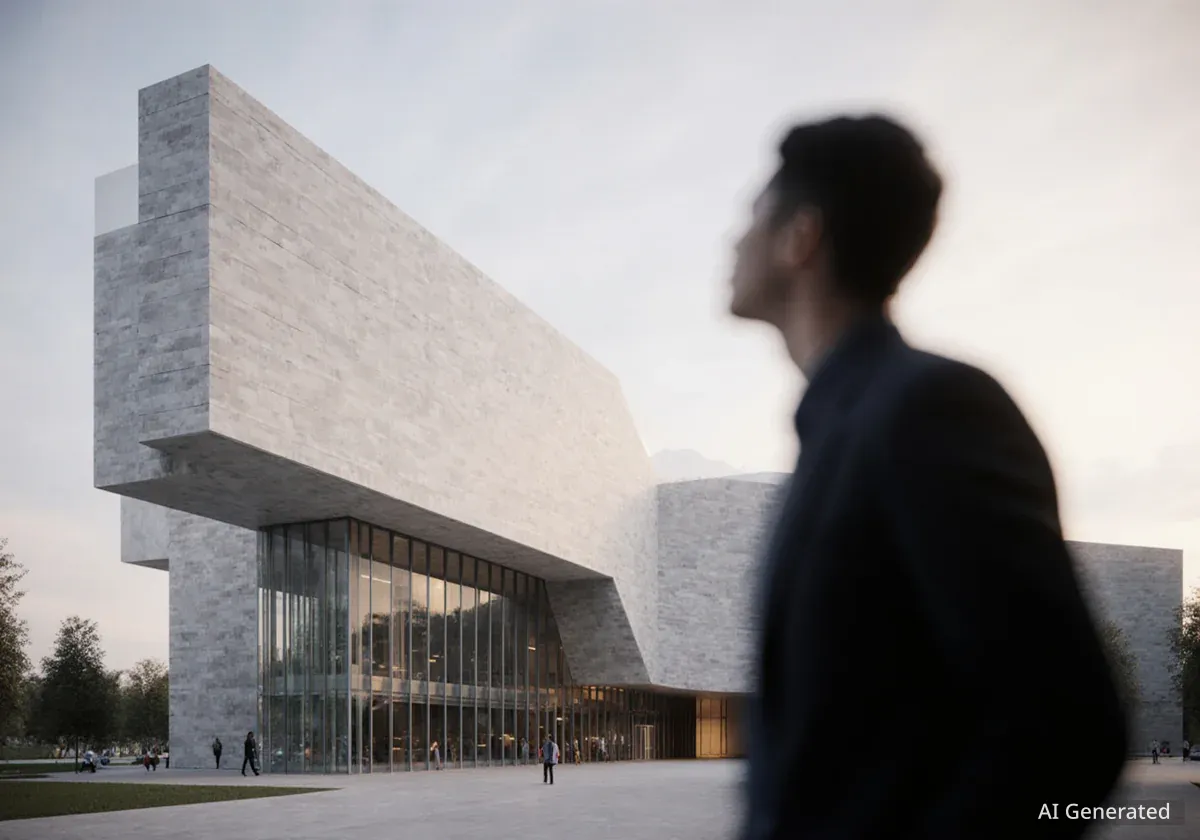
The Salvador Dalí Museum in St. Petersburg has announced a significant expansion project, with plans for a new $65 million facility set to open in 2028. The development aims to enhance visitor experiences by integrating technology with art and expanding its educational and community offerings.
The project will add approximately 35,000 square feet to the museum's campus on the Tampa Bay waterfront. Groundbreaking for the new structure is anticipated to take place this fall.
Key Takeaways
- The Salvador Dalí Museum is planning a $65 million expansion.
- The new 35,000-square-foot facility is scheduled to open in 2028.
- Features include new galleries for immersive art and technology exhibits, a dedicated learning center, and community spaces.
- Funding is supported by tourist development taxes through Visit St. Pete-Clearwater.
A New Vision for Art and Community
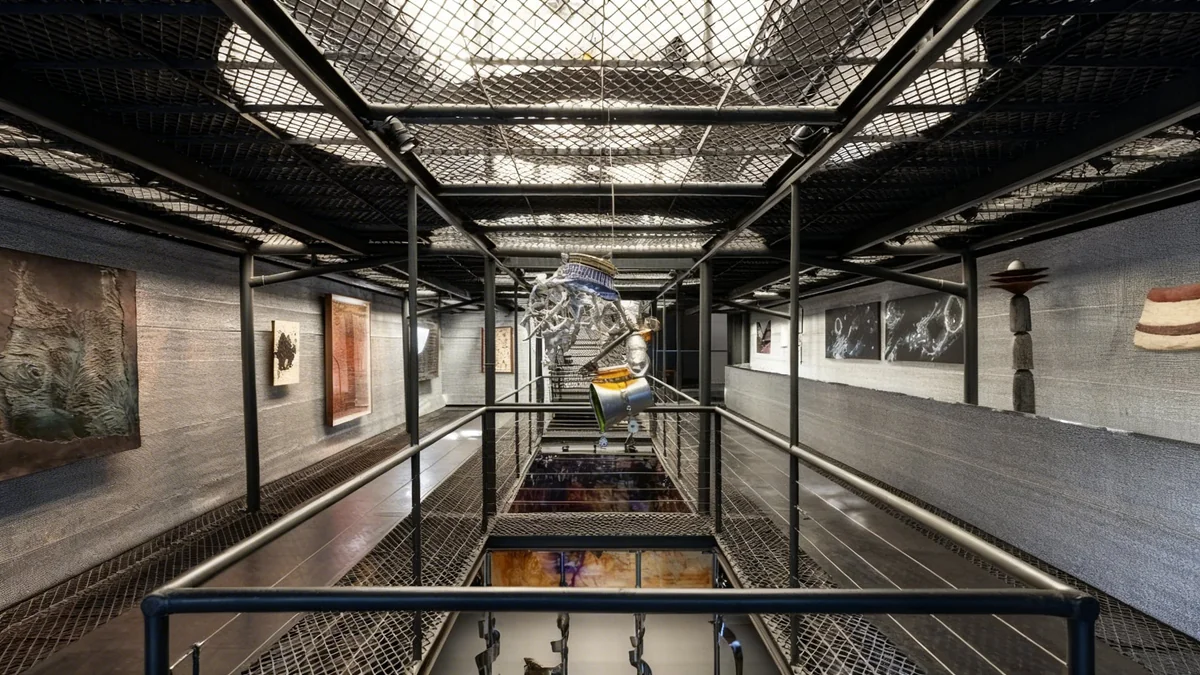
The planned expansion focuses on creating more dynamic and interactive spaces. Museum officials have outlined a vision that moves beyond traditional gallery formats to embrace experiential exhibitions that blend art with cutting-edge technology.
A central feature of the new building will be a dedicated learning center designed to serve students from kindergarten through 12th grade, as well as adult learners. This space will bolster the museum's educational mission, providing new resources for schools and the public.
In a statement, museum executive director Hank Hine emphasized the project's purpose.
"This expansion is not about being bigger; it’s about being bolder. This next chapter allows us to move beyond existing limitations and create space, intellectually and physically, for deeper learning, more ambitious experiences and broader access."
The design also includes flexible, community-focused areas intended to host a variety of events and public programs, further integrating the museum into the civic life of St. Petersburg.
Design and Funding Details
The team behind the original, iconic museum building will return for this new chapter. The Beck Group, which constructed the facility that opened in 2011, will manage the design and build of the expansion. Architect Yann Weymouth, who designed the current structure, has served as a consultant for the new project.
Continuity in Design
The involvement of the original architect and construction firm ensures that the new wing will complement the existing museum's unique geodesic glass design, which has become a landmark on the St. Petersburg waterfront.
A significant portion of the $65 million budget is supported by funds from Visit St. Pete-Clearwater. The funding comes from the “From Visitors With Love” program, which strategically reinvests tourist development tax revenue into local cultural projects.
Brian Lowack, CEO of Visit St. Pete-Clearwater, highlighted the museum's role in the region. “The Dalí Museum is a cultural engine for this community and a cornerstone of St. Petersburg’s global identity,” he stated.
A Legacy of Growth
Since its founding in a converted warehouse in 1982, the Dalí Museum has become one of Pinellas County's most prominent cultural institutions and a major tourist attraction.
Over 10 Million Visitors
According to museum records, more than 10 million people have visited its permanent collection and special exhibitions since its inception, underscoring its importance to both the local community and Florida's tourism economy.
The current building, which opened in 2011, was designed to protect the priceless collection of Salvador Dalí's works from Florida's extreme weather, including hurricanes. The expansion continues this commitment to preserving and showcasing the world's most comprehensive collection of the surrealist master's art.
Timeline and What's Next
The museum is moving forward with its plans, aiming for a groundbreaking ceremony in the fall of 2024. The projected completion date for the new facility is in 2028.
To give the public a preview of the future campus, a detailed 3D model of the proposed expansion will be put on display inside the museum starting in May. This will allow visitors to visualize the new spaces and understand how they will connect with the existing structure and waterfront grounds.
The expansion represents a new phase for the institution, promising to enhance its role as a center for art, education, and innovation for decades to come.